Decoding the Buzz: Why Some TV Series Soar While Others Struggle
From period charm to gritty thrillers, we analyze how critic scores, audience reactions, and release timing shape the hits and misses of February 2026's TV landscape.
Ever wonder why some shows instantly become watercooler talk, while others, despite seemingly strong premises, just… fizzle? In the crowded streaming landscape of February 2026, the battle for viewer attention is fierce, and the factors determining success are more complex than ever. It's a delicate dance between critical acclaim, audience adoration, and the perfect release window. Let's pull back the curtain on some of the trending and recently updated series to see what truly captures the modern TV viewer's imagination and what leaves them cold.
The Sweet Spot: Audience & Critical Darlings
When a show manages to charm both critics and the notoriously fickle audience, you know it's hit television gold. These are the series that generate organic buzz, fuel online discussions, and keep us glued to our screens. They often blend fresh perspectives with high production values, delivering an experience that feels both familiar and excitingly new.
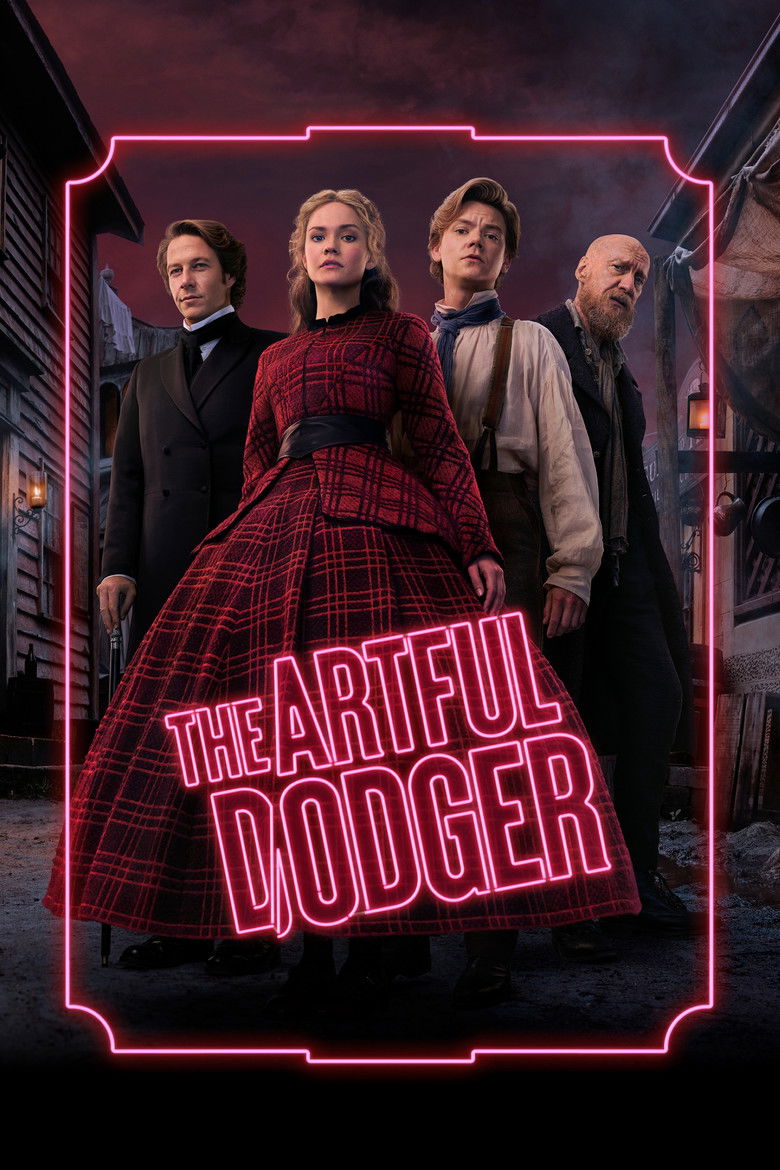
One such standout is The Artful Dodger, which has been consistently drawing praise. This clever reimagining of Dickens' classic character, Jack Dawkins, takes us on an unexpected journey through colonial Australia, blending historical drama with a roguish charm that's hard to resist.
Boasting an impressive 8.096 audience score, The Artful Dodger proves that a fresh take on beloved source material, coupled with strong performances and a compelling narrative, is a winning formula. Its release timing, possibly during a period ripe for escapist yet intelligent period drama, helped it cut through the noise. Viewers are clearly responding to its vibrant energy and the charismatic portrayal of its lead, demonstrating a hunger for historical narratives that defy stuffiness.
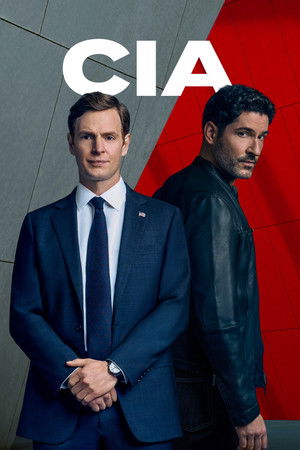
Beyond narrative flair, some shows connect deeply through sheer quality and a clear understanding of their niche. CIA, for instance, with its astounding 9.167 rating, suggests a powerful impact within its specific genre – likely a documentary or docu-drama. This score indicates a highly engaged and satisfied audience, often found in non-fiction or highly specialized drama where authenticity and depth are paramount.
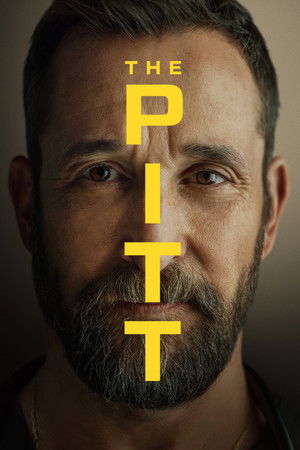
Similarly, The Pitt, a medical drama, commands an 8.709. This genre, when executed well, consistently draws dedicated viewers. High scores like these don't just happen; they reflect a show that knows its audience, delivers on its promises, and often provides a level of emotional investment or intellectual stimulation that resonates deeply.
Navigating the Minefield: Divisive & Struggling Series
On the flip side, not every series finds its footing, even with significant backing or intriguing concepts. The current TV landscape is littered with shows that, for various reasons, struggle to connect, leading to lukewarm or even scathing receptions. This divergence often highlights the ever-evolving expectations of the audience.
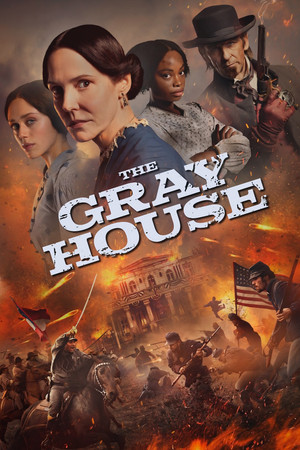
Consider The Gray House, which unfortunately sits with a jarring 3.538. A score this low typically signals a significant disconnect, whether due to poor writing, inconsistent pacing, unconvincing performances, or perhaps a concept that simply failed to execute its vision. When a show misses the mark this dramatically, it becomes a cautionary tale about the importance of cohesive storytelling and meeting viewer expectations, especially in an era where audiences have limitless options.
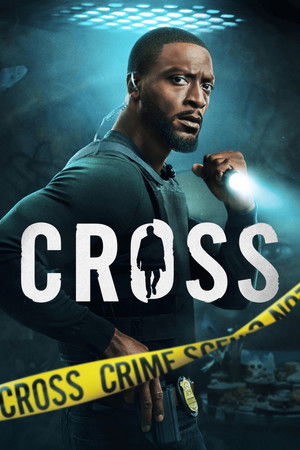
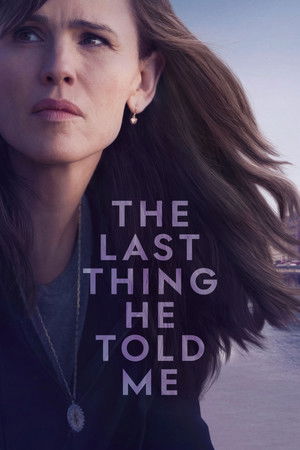
Then there are series like Cross (6.994) and The Last Thing He Told Me (7.0). While not outright failures, these thrillers hover around the average mark. In today's competitive environment, an 'average' score often translates to 'forgettable.' For thrillers, the bar is incredibly high; viewers crave originality, genuine suspense, and satisfying conclusions. If a show relies too heavily on tropes, suffers from predictable plots, or fails to build genuine tension, it risks blending into the background. The release timing for these could also play a role; if they dropped amidst a flood of similar content, they might have struggled to carve out a unique identity or capture immediate attention.
The Release Timing Factor
It's not just about the show itself; when a show is released can significantly impact its initial buzz. A critically acclaimed series released during a packed holiday season might get lost, while a solid performer dropping during a quieter period can dominate conversations. Strategically timed releases can capitalize on audience moods (e.g., lighthearted fare during summer, intense dramas in fall), or avoid direct competition with highly anticipated blockbusters. The success of The Artful Dodger might be partly attributed to finding a sweet spot in the release calendar, allowing it to shine without being overshadowed.
What These Trends Reveal About Modern TV
The current viewing landscape of February 2026 offers clear insights into what audiences truly expect from their television. It's a nuanced picture, but some key patterns emerge:
- Quality is Non-Negotiable, but Novelty is King: Audiences are sophisticated. They demand high production values and compelling storytelling, but they're also hungry for fresh ideas and unique perspectives, even within established genres.
The Artful Dodgerexemplifies this – a classic story, but told with a modern, dynamic flair. - Niche Can Thrive: Shows like
CIAandThe Pittdemonstrate that deeply satisfying niche content can achieve exceptional success with its target audience. It's not always about universal appeal, but about delivering precisely what a specific group of viewers desires. - Execution Trumps Concept: A great concept is just the starting point.
The Gray Houseserves as a stark reminder that even the most intriguing premise can fall flat without masterful execution in writing, direction, and performance. Audiences are quick to abandon shows that fail to deliver on their initial promise. - Word-of-Mouth is Powerful: In a world saturated with content, organic buzz and strong audience scores are often more impactful than critical reviews alone. Viewers trust their peers, making strong initial reception crucial for a show's long-term viability.
- The Thriller Fatigue is Real: With an abundance of crime and suspense series, only the truly innovative, tightly plotted, and character-driven thrillers will rise above the fray. Shows like
CrossandThe Last Thing He Told Mehighlight the challenge of standing out in a crowded genre.
As we move further into 2026, it's clear that the television landscape will continue to evolve at a dizzying pace. Viewers are empowered, discerning, and vocal. For creators and networks, understanding these intricate dynamics of reception, genre appeal, and strategic timing isn't just helpful – it's absolutely essential for crafting the next generation of must-watch television.