The Testaments: A Glimmer of Hope in Gilead's Shadow
Margaret Atwood's audacious sequel to 'The Handmaid's Tale' arrives on screen. Can it transcend its monumental predecessor and redefine dystopian TV for a new generation?
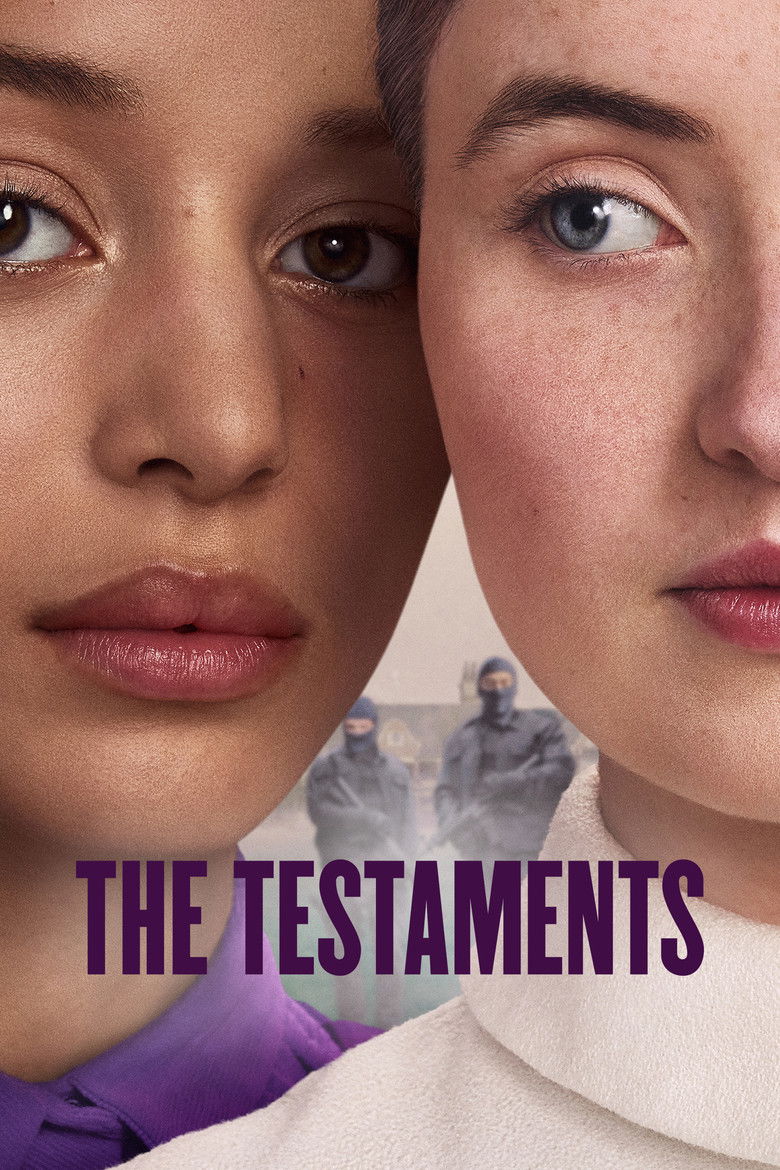
In an era saturated with dystopian narratives, few have seized the cultural zeitgeist with the iron grip of The Handmaid's Tale. Its chilling vision of a patriarchal theocracy, Gilead, has become an enduring symbol of resistance, a rallying cry etched into the collective consciousness. So, when news broke of a television adaptation of Margaret Atwood's long-awaited sequel, The Testaments, a palpable hum of anticipation, and trepidation, swept through the viewing public. This isn't just another show; it's a return to hallowed, terrifying ground, and the stakes couldn't be higher. Can it live up to the legacy, or will it merely echo a masterpiece? Lit-Pop isn't holding its breath for easy answers.
Unpacking 'The Testaments' TV Series: What to Expect
For those ready to plunge back into the grim reality of Gilead, or for new viewers brave enough to start here, The Testaments promises a narrative expansion unlike anything we've seen before. Here's what this deep dive will cover:
- The Unseen Cracks in Gilead's Foundation: How the sequel exposes the internal rot and burgeoning resistance within the totalitarian state.
- From Offred to Aunts and Allies: Exploring the pivotal new perspectives and the return of a certain formidable antagonist.
- The Art of Adaptation: Literary Lore to Live-Action: The challenges and triumphs of translating Atwood's distinct narrative voices and intricate plotting to the screen.
- A Timely Warning for March 2026: Why the themes of female agency, authoritarianism, and the fight for freedom resonate more fiercely now than ever before.
The Weight of Legacy and Dystopian Evolution
The most daunting task for any sequel, especially one arriving decades after its predecessor, is not just to continue a story, but to justify its existence. The Testaments, both the novel and now the series, steps into the colossal shadow cast by The Handmaid's Tale with audacious confidence. Instead of simply following June's (Offred's) harrowing journey further, it widens the lens, fast-forwarding fifteen years and introducing us to a Gilead that, while still terrifyingly oppressive, is beginning to fray at the edges. This isn't a simple rehash; it's an evolution. We're no longer just bearing witness to individual suffering, but to the slow, agonizing process of a regime's decay, seen through the eyes of those who both upheld it and undermined it.
The series, much like the book, promises to peel back the layers of Gilead's seemingly impenetrable façade. We'll delve into the political machinations, the secret networks, and the quiet acts of rebellion that simmer beneath the surface. This shift in perspective is crucial; it moves the narrative from a purely experiential horror to a strategic thriller, examining how power is maintained and, crucially, how it can be dismantled. It asks a more complex question than the original: not just how does a dystopia survive, but how does it begin to fall? In a world increasingly grappling with geopolitical instability and challenges to democratic norms, this exploration of societal breakdown and the sparks of defiance feels alarmingly prescient, making it a vital watch for March 2026.
Character and Narrative Expansion: The Unlikely Heroines
Where The Handmaid's Tale focused almost entirely on Offred's subjective terror, The Testaments employs multiple narrators, weaving together three distinct, powerful perspectives. The most anticipated, without a doubt, is the return of Aunt Lydia. Her chilling presence in the original series was a masterclass in controlled menace, a woman who wielded the tools of oppression with a terrifying blend of pragmatism and cruelty. Here, we delve into her own story, her internal conflict, and the double life she leads, collecting intelligence and plotting Gilead's downfall from within. This isn't redemption; it's a cold, calculated move for survival and, perhaps, a twisted form of justice. Her perspective offers a rare glimpse into the mind of a high-ranking official, exposing the hypocrisy and self-serving nature of Gilead's elite.
The other two narrators, Agnes Jemima and Daisy (later Nicole), represent the next generation. Agnes, a privileged daughter of a Commander within Gilead, experiences the system from a different vantage point, revealing the gilded cages of its upper echelons. Daisy, living in Canada, is a young woman unaware of her true identity, until circumstances force her into a dangerous mission. Their journeys are intertwined, forming a tapestry of resistance that spans borders and classes. This expansion beyond June's singular lens is a bold move, transforming the story from a personal tragedy into an epic, multi-generational struggle for freedom. It's a reminder that even in the darkest times, hope can be found in unexpected alliances, a theme that resonates deeply with contemporary calls for collective action.
The Art of Adaptation: Translating Atwood's Prose to Screen
Adapting Margaret Atwood's work is no small feat. Her prose is rich, dense, and often relies on internal monologue and chilling ambiguity. The Handmaid's Tale series succeeded by finding a powerful visual language to convey Offred's inner world, often through lingering close-ups, stark cinematography, and Elisabeth Moss's masterful, understated performance. The Testaments faces a different challenge: how to translate three distinct narrative voices, particularly Aunt Lydia's memoir-style confessions, into a cohesive and compelling visual story.
The success of this adaptation will hinge on its ability to maintain the original series' visual grammar while evolving to accommodate the new narrative structure. Will we see a more fragmented, perhaps even a more overtly stylistic approach to reflect the different perspectives? The original series often excelled at creating an atmosphere of suffocating dread; for The Testaments, the tone might shift to include elements of espionage thriller and political drama, demanding a more dynamic directorial hand. Compare it to other complex literary adaptations like the recent ONE PIECE live-action, which proved that faithful yet innovative translation is possible. The challenge here is less about visual spectacle and more about psychological nuance, making the casting and direction of Aunt Lydia absolutely paramount. If they nail her, they've cracked the code.
A Timely Warning for March 2026
More than just a compelling story, The Testaments arrives at a moment when its themes feel agonizingly relevant. The fight for reproductive rights, the rise of authoritarian rhetoric, the erosion of democratic institutions, and the constant battle for female autonomy are not abstract concepts; they are daily headlines. Atwood's genius lies not in predicting the future, but in holding a mirror to the present, showing us the logical, terrifying conclusion of certain societal trajectories. This series serves as a potent reminder of the fragility of freedom and the insidious ways in which power can be seized and maintained.
It’s a stark counterpoint to the escapism often found in television. While many shows aim to provide comfort or pure entertainment, The Testaments demands engagement, reflection, and, critically, action. It's a call to vigilance, a warning that the seeds of Gilead can be sown anywhere, anytime. In a cultural landscape where
FAQ
What is 'The Testaments' TV series about?
'The Testaments' is a sequel to 'The Handmaid's Tale,' set 15 years after the original. It expands the story of Gilead through the perspectives of Aunt Lydia, Agnes Jemima (a privileged girl in Gilead), and Daisy (a young woman in Canada), revealing the cracks within the totalitarian regime and the growing resistance against it.
Do I need to watch 'The Handmaid's Tale' before 'The Testaments'?
While 'The Testaments' is a standalone story, watching 'The Handmaid's Tale' (or reading the original novel) is highly recommended. It provides crucial context for the world of Gilead, the characters, and the established stakes, which will significantly enrich your viewing experience of the sequel.
Who are the main characters in 'The Testaments'?
The primary narrators and central figures in 'The Testaments' are Aunt Lydia, a powerful and feared figure within Gilead who secretly works against it; Agnes Jemima, a Commander's daughter raised within Gilead; and Daisy/Nicole, a young woman living in Canada who discovers her true identity and connection to Gilead.