The Gray House: Fulfilling Our Thirst for Gritty Historical Drama
Move over, Wild West: 'The Gray House' delivers the complex characters and unflinching historical immersion we've craved since 'Deadwood' and 'Hell on Wheels'.
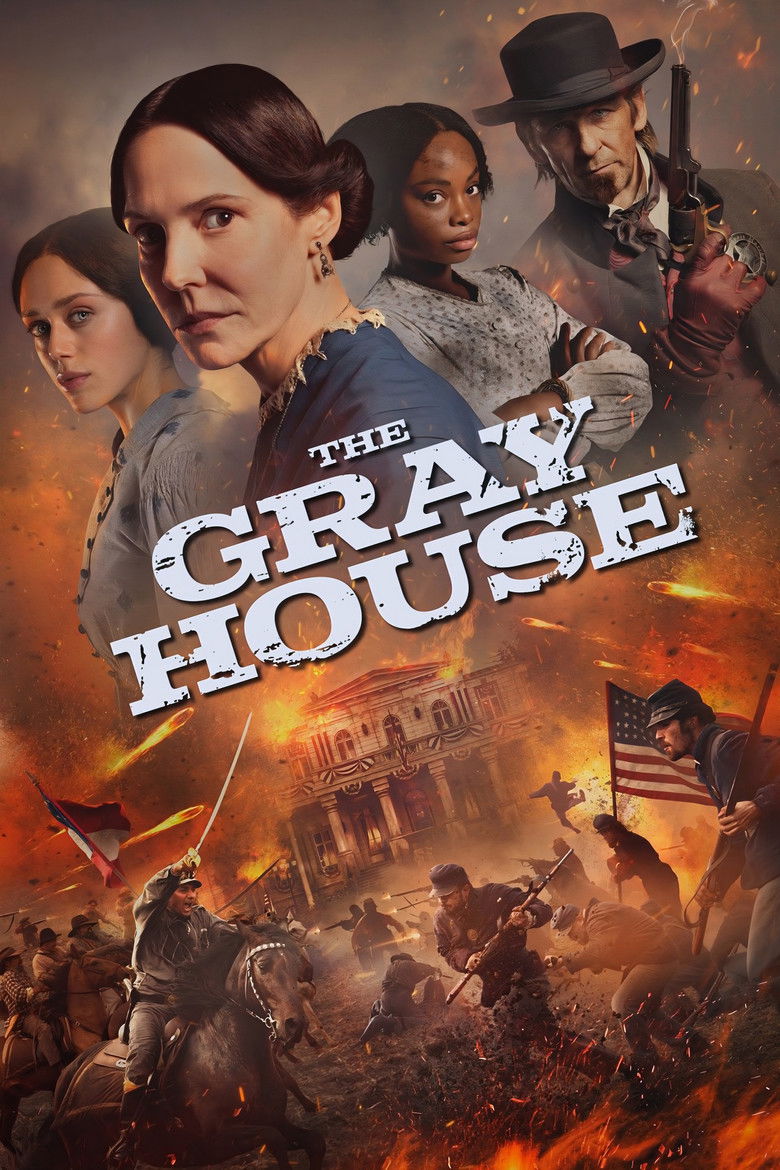
Remember that feeling? The dust, the grit, the morally gray characters carving out an existence on the fringes of civilization? For years, shows like Deadwood and Hell on Wheels captivated us with their unflinching portrayal of American history, leaving a void that felt impossible to fill. They were more than just Westerns; they were masterclasses in historical immersion, character development, and the raw, often brutal, realities of nation-building.
But fear not, Lit-Pop readers, because a new historical drama has arrived on the scene, promising to deliver the same rich character work and compelling, often overlooked, narratives that we've been craving. Get ready to dive into The Gray House, a trending TV show that's captivating audiences and proving that complex historical storytelling is alive and well this March 2026.
The Enduring Legacy of the Wild West Sagas
For a certain type of TV viewer, the mere mention of Deadwood conjures images of Al Swearengen's poetic profanity, Seth Bullock's simmering rage, and the chaotic, yet strangely principled, society of a nascent gold rush town. David Milch's masterpiece wasn't just a show about cowboys and outlaws; it was a profound exploration of language, law, and the birth of civilization in a land devoid of it. Its gritty realism, intricate historical detail, and utterly unique dialogue set a benchmark for historical dramas, making every character feel lived-in and every struggle profoundly real.
Similarly, Hell on Wheels grabbed us by the lapels and dragged us through the brutal, often thankless, construction of the Transcontinental Railroad. With Cullen Bohannon as our guide, we witnessed the sacrifices, the racial tensions, the ruthless ambition, and the sheer human cost of this monumental undertaking. Both shows excelled at creating immersive worlds where survival was a daily battle, morality was a luxury, and the past felt startlingly present. They were essential viewing for anyone who appreciated historical authenticity blended with compelling, character-driven narratives, leaving a genuine longing for similar experiences when they concluded.
Enter "The Gray House": A New Horizon for Historical Drama
Fast forward to March 2026, and the buzz around The Gray House suggests we might just have found our next obsession. While not set in the dusty, lawless West, this new historical drama captures that same spirit of pioneers carving out their own destiny against immense odds. It's a show that understands the power of untold histories, much like how Deadwood brought the raw, unvarnished truth of a gold rush town to life, or how Hell on Wheels explored the brutal, often overlooked, saga of the transcontinental railroad.
This isn't just another period piece; it's a deep dive into a specific, vibrant, and underrepresented corner of 20th-century American history: the groundbreaking first all-Black professional ballet company in the 1950s. It’s a narrative rich with artistic ambition, racial struggle, personal sacrifice, and the relentless pursuit of excellence in a society often determined to deny it.
Filling the Void: How "The Gray House" Carries the Torch
So, how does a story about 1950s ballet fill the void left by gritty Westerns? It's all in the approach to storytelling, the commitment to historical depth, and the exploration of the human spirit under pressure.
Unflinching Portrayal of History
Just as Deadwood didn't shy away from the violence and squalor of the frontier, The Gray House promises an unflinching look at the realities faced by Black artists in the segregated America of the 1950s. It delves into the systemic barriers, the subtle and overt racism, and the sheer tenacity required to break through and achieve artistic legitimacy. This isn't a romanticized vision of the past; it's a raw, honest portrayal of struggle and triumph, echoing the historical grit we loved in our favorite Westerns.
Complex Characters & Moral Ambiguity
The characters in Deadwood and Hell on Wheels were never simple heroes or villains; they were complicated individuals making difficult choices in impossible circumstances. The Gray House continues this tradition, presenting a cast of ambitious dancers, visionary choreographers, and determined patrons, each with their own flaws, desires, and moral quandaries. The internal and external conflicts they face—from artistic integrity versus commercial success to personal relationships strained by societal pressures—create a rich tapestry of human experience, demanding the same emotional investment from viewers.
Immersion in a Specific World
From the meticulous set design of a frontier town to the vast landscapes of the railroad, both Westerns were masters of world-building. The Gray House achieves a similar feat, immersing viewers in the vibrant, yet challenging, world of 1950s American ballet. The costumes, the music, the social dynamics, and the rigorous discipline of dance all contribute to a deeply textured environment that feels authentic and alive. You're not just watching a story; you're stepping into a bygone era, experiencing its unique pressures and its profound beauty.
Telling Overlooked Stories
Perhaps the strongest thematic link between these shows is their commitment to shining a light on previously overlooked corners of history. While Deadwood brought us the true stories of frontier figures, and Hell on Wheels gave voice to the diverse labor force behind the railroad, The Gray House spotlights the extraordinary achievements of Black artists who defied segregation to forge a path in classical ballet. It's a powerful narrative of resilience, cultural significance, and the enduring power of art against adversity, a testament to the fact that history is always richer and more complex than we're often taught.
Why Audiences Are Hooked (and You Should Be Too!)
The performances in The Gray House are already generating significant buzz. Expect nuanced portrayals that bring to life the immense challenges and triumphs faced by these pioneering artists. The ensemble cast is reportedly delivering the kind of raw, emotionally resonant work that draws you in, much like the unforgettable characters of Al Swearengen or Cullen Bohannon once did.
This new TV series offers a fresh perspective on a familiar era, tackling timeless themes of identity, systemic barriers, and the universal language of art. In a streaming landscape often saturated with reboots and predictable formulas, The Gray House stands out by offering something genuinely new, yet deeply resonant. It's the kind of meticulous, character-driven historical drama that rewards your attention, inviting you to reflect on both the past and its echoes in our present. For those who value shows that educate as much as they entertain, this must-watch TV series is a true gem.
The Verdict: A Must-Watch for March 2026
If you've been yearning for a show that combines historical depth with compelling character arcs and a genuine sense of purpose, then look no further. The Gray House isn't just filling a void; it's creating its own legacy as a must-watch entry in the pantheon of great historical dramas. It's a powerful reminder that the struggles for recognition, freedom, and artistic expression are as compelling and dramatic as any battle for land or gold.
Don't miss out on one of the most exciting trending TV shows of March 2026 – start streaming this historical drama gem today and experience a new kind of grit, grace, and greatness.