Star Trek's Hiatus: Charting the Course for a New Frontier
As the beloved Star Trek franchise enters a period of quiet, we explore the impact on its dedicated fanbase and what this break means for its creative future.
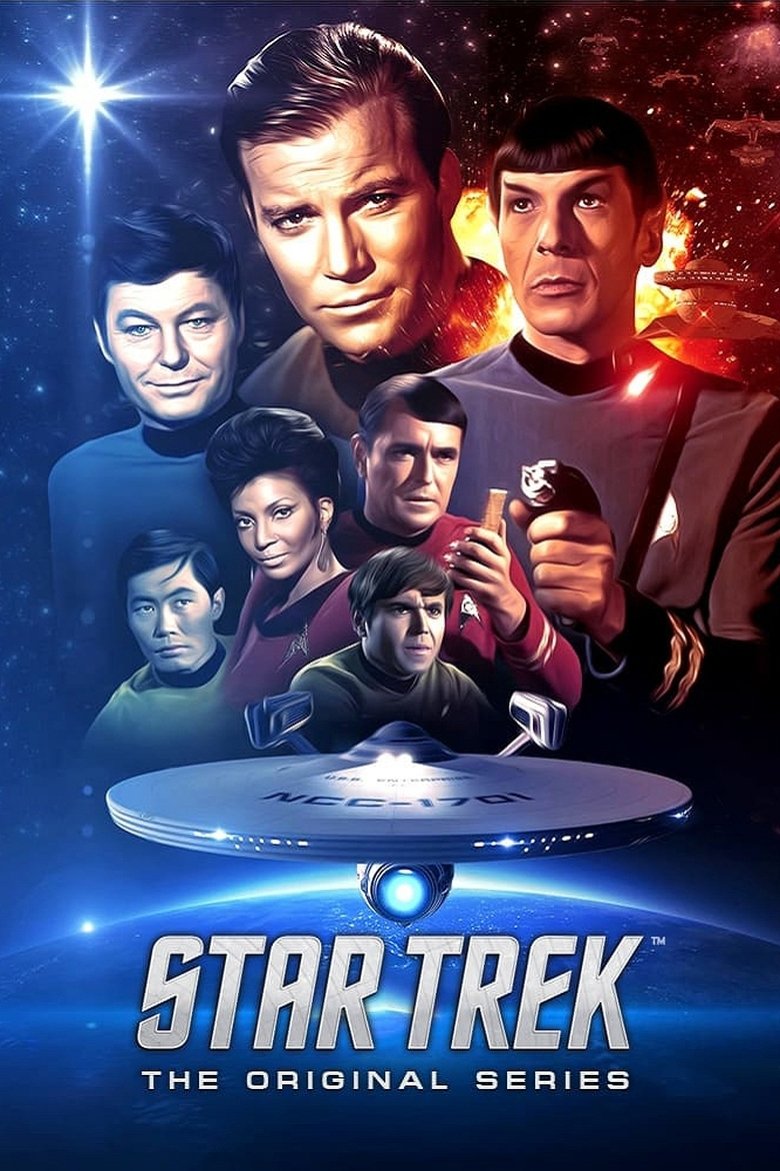
For decades, the name Star Trek has been synonymous with exploration, hope, and the boundless potential of the future. From the original voyages of Captain Kirk to the modern-day adventures across various timelines, this iconic science fiction franchise has consistently pushed boundaries, both in storytelling and cultural impact. Now, as the current slate of live-action series like Star Trek: Discovery and Star Trek: Picard concludes, the Final Frontier finds itself in a temporary production hiatus, leaving fans eager to know: what's next for Starfleet?
The Future of Star Trek: What to Expect After the Hiatus
During this period of reflection, Trekkies everywhere are buzzing with speculation. This article will decode:
- The immediate impact of the current production hiatus on the vibrant Star Trek fanbase.
- How recent series have reshaped the franchise and set the stage for its next evolution.
- Potential creative directions and narrative shifts we might see in upcoming Star Trek projects.
- The enduring appeal of the franchise and how it sustains engagement between new releases.
Navigating the Current State of the Star Trek Universe
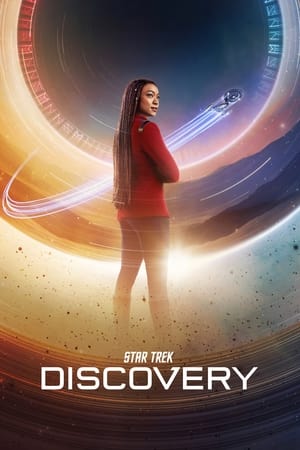
The last few years have been a golden age for Star Trek on television, with a veritable fleet of new series launching the franchise into the streaming era. We saw the ambitious and at times divisive Star Trek: Discovery kick off this new wave, introducing a visually stunning, serialized approach to storytelling.
Following its lead, Star Trek: Picard brought back beloved legacy characters, giving fans a poignant farewell to Jean-Luc Picard's journey. Its final season, in particular, was a nostalgic triumph, reuniting the cast of The Next Generation and reminding everyone of the power of those classic characters.

Alongside these, animated series like Star Trek: Lower Decks offered a comedic, yet deeply reverent, take on Starfleet life, while Star Trek: Prodigy introduced a new generation to the wonders of space exploration. However, it's Star Trek: Strange New Worlds that truly captured the hearts of many, returning to the episodic, optimistic roots of The Original Series with stunning success.

Now, with Discovery having concluded and Picard's story wrapped, and Strange New Worlds awaiting its third season, there's a palpable quiet. This isn't a cancellation, but rather a strategic pause, allowing the creative teams to re-evaluate and plan the next phase of the franchise. It’s a moment that, while challenging for an eager fanbase, is also ripe with possibility.
The Fanbase: Enduring Loyalty in the Absence of New Content
For a franchise with over 50 years of history, a production hiatus is nothing new. Trekkies are a resilient and passionate bunch, accustomed to waiting for their next adventure. During these lulls, the fandom often becomes more active, engaging in rewatches, dissecting lore, and debating theories. Online forums and social media explode with discussions about favorite episodes, character arcs, and speculative futures. This collective energy not only keeps the spirit of Star Trek alive but also offers valuable feedback for creators.
Many fans are likely revisiting classic episodes or diving deeper into the newer series, finding new details and appreciating the intricate tapestry of the Star Trek universe. If you're looking for shows that offer that same comforting, rewatchable quality, you might enjoy our take on Forever Favorites: The TV Shows We Can't Stop Rewatching. This hiatus is a testament to the franchise's enduring appeal; its themes of hope, diversity, and exploration resonate deeply, making it more than just entertainment – it's a philosophy.
Charting a New Creative Course
What could this hiatus mean for the creative direction of Star Trek? One possibility is a renewed focus on new eras and characters. While the nostalgia factor of Picard and the prequel nature of Discovery and Strange New Worlds have been successful, the franchise has an entire galaxy and timeline to explore. Perhaps this break will allow for the development of stories set far in Starfleet's future, or even in entirely different parts of the galaxy, moving beyond the familiar confines of the Federation.
There's also the potential for a shift in storytelling approach. While serialized narratives have dominated recent entries, the success of Strange New Worlds proves there's still a strong appetite for episodic adventures that allow for more varied themes and standalone character development. The break could also provide an opportunity to fine-tune the overarching vision, ensuring coherence and quality across future projects. For a look at other exciting upcoming shows, check out our insights on New TV Horizons: Why These Upcoming Shows Are Must-Watches.
Regardless of the specific direction, one thing is certain: the core tenets of Star Trek – infinite diversity in infinite combinations, the pursuit of knowledge, and the belief in a better future – will remain. The hiatus is not an end, but merely a pause at a starbase, allowing the crew to resupply and recalibrate before setting out once more into the undiscovered country of space.
FAQ: The Future of Star Trek
Is Star Trek currently on a production hiatus?
Yes, as of March 2026, the live-action Star Trek television franchise is in a production hiatus. While some series like Star Trek: Discovery and Star Trek: Picard have concluded, and Star Trek: Strange New Worlds is confirmed for a third season, there are no new live-action Star Trek series actively filming or immediately set to release, creating a temporary lull in new content.
What does a production hiatus mean for a long-running franchise like Star Trek?
For a major franchise, a production hiatus typically means a temporary pause in the creation of new content, often for strategic planning, creative re-evaluation, or to allow time for new projects to enter development. It can also be influenced by factors like writers' strikes, network scheduling, or budget considerations. It usually does not signify cancellation but rather a period of retooling or preparation for the next phase.
What Star Trek shows are confirmed for the future?
While details are often under wraps, Star Trek: Strange New Worlds is confirmed for a third season. Beyond that, several projects are reportedly in various stages of development, including potential new live-action series and movies, though specific release dates and detailed information are pending official announcements from Paramount+.
FAQ
Is Star Trek currently on a production hiatus?
Yes, as of March 2026, the live-action Star Trek television franchise is in a production hiatus. While some series like *Star Trek: Discovery* and *Star Trek: Picard* have concluded, and *Star Trek: Strange New Worlds* is confirmed for a third season, there are no new live-action Star Trek series actively filming or immediately set to release, creating a temporary lull in new content.
What does a production hiatus mean for a long-running franchise like Star Trek?
For a major franchise, a production hiatus typically means a temporary pause in the creation of new content, often for strategic planning, creative re-evaluation, or to allow time for new projects to enter development. It can also be influenced by factors like writers' strikes, network scheduling, or budget considerations. It usually does not signify cancellation but rather a period of retooling or preparation for the next phase.
What Star Trek shows are confirmed for the future?
While details are often under wraps, *Star Trek: Strange New Worlds* is confirmed for a third season. Beyond that, several projects are reportedly in various stages of development, including potential new live-action series and movies, though specific release dates and detailed information are pending official announcements from Paramount+.