Outlander: More Than Tartan & Time Travel
Beyond the sweeping romance, Starz's 'Outlander' is a masterclass in historical immersion, character depth, and audacious genre-blending. It's a saga that defies easy categorization.
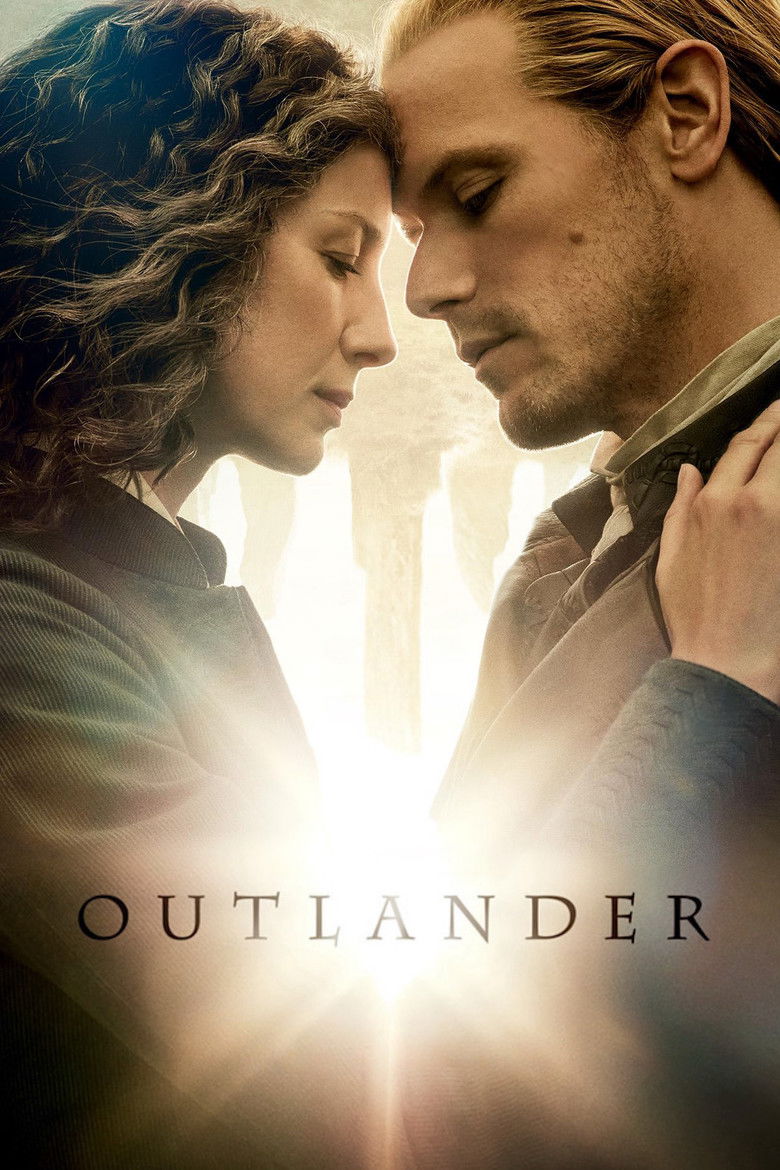
Let's be blunt: when a show is tagged as 'historical romance' with time travel thrown in, the cynics usually dismiss it as a mere guilty pleasure or, worse, a fluffy fantasy for the masses. But to relegate Outlander to such a narrow, condescending box is to miss the forest for the kilts. This Starz epic, based on Diana Gabaldon's sprawling novels, is a beast of its own making: a brutal, beautiful, and utterly compelling narrative that transcends its supposed genre confines to deliver one of television's most ambitious and emotionally resonant sagas.
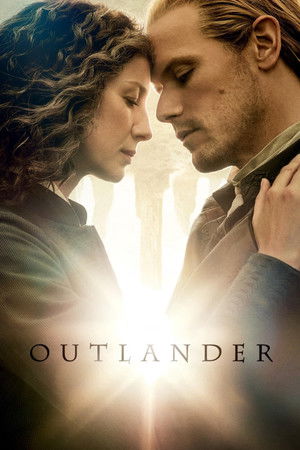
From the moment Claire Randall tumbles through the standing stones of Craigh na Dun, Outlander isn't just a story about falling in love across centuries; it's a relentless examination of war, survival, identity, and the very fabric of history itself. It demands more from its audience than a simple swoon, and it rewards that investment tenfold.
Unpacking the Phenomenon: Why Outlander Endures
- Genre-Defying Storytelling: Explore how the series masterfully weaves together historical drama, romance, science fiction, and war epic, creating a truly unique television experience.
- Claire & Jamie's Enduring Partnership: A deep dive into the compelling, often harrowing, relationship at the heart of the show and the performances that bring it to life.
- Historical Rigor Meets Fictional Freedom: An analysis of the show's commitment to historical detail, its unflinching portrayal of brutality, and where it takes narrative liberties.
- The Cultural Resonance: Understanding why
Outlandercontinues to captivate a global audience and its impact on historical fiction and romantic sagas.
The Alchemist's Brew: Genre Alchemy on Display
Most shows pick a lane. Historical drama, fantasy, romance—they stick to their niche. Outlander laughs in the face of such limitations. It's a high-stakes historical account of the Jacobite Uprising and the American Revolution, rife with political intrigue, devastating battles, and the kind of period detail that would make a history professor weep with joy. But then, there's the time travel. Not as a gimmick, but as the foundational catalyst that throws its thoroughly modern protagonist, Claire (Caitríona Balfe), into an alien past. And anchoring it all is a romance—yes, a romance—that is so deeply etched, so fraught with peril, and so utterly adult in its depiction of passion, commitment, and trauma, that it elevates the entire enterprise far beyond any 'bodice-ripper' caricature. It’s less a fantasy and more a speculative historical fiction, leveraging time travel to explore profound questions of belonging, destiny, and the agency of women in different eras. This genre fluidity is Outlander's superpower, allowing it to appeal to a broad demographic while never compromising on its core artistic vision. It’s the rare series that can deliver a brutal battlefield sequence in one episode and a tender, intimate character study in the next, all while maintaining narrative cohesion and thematic depth. In an era where Niche TV Masterpieces Struggle for Airtime, Outlander proves that genre-bending, when done right, can carve out its own massive audience.
Claire and Jamie: A Love Story Etched in Time and Trauma
The beating heart of Outlander is undeniably the relationship between Claire Fraser (Caitríona Balfe) and Jamie Fraser (Sam Heughan). Dismiss their bond as mere wish fulfillment at your peril; it’s a masterclass in character development and sustained chemistry. Balfe’s Claire is no damsel in distress; she is a formidable, intelligent, and often stubborn woman who navigates the brutal 18th century with a modern sensibility and a surgeon’s hands. Her struggles with adaptation, her moral dilemmas, and her unwavering love for both her present and her past are portrayed with an astonishing blend of vulnerability and steeliness. Sam Heughan, as Jamie, embodies the archetypal Highland warrior but imbues him with a sensitivity, intelligence, and unwavering loyalty that defy the often-toxic masculinity prevalent in historical dramas. His performance is a nuanced exploration of honor, leadership, and the profound emotional scars of a life lived on the edge.
What truly distinguishes their relationship is its evolution. It's not a static, idealized romance. They face unimaginable horrors—torture, war, separation, sexual assault, loss of children, cultural clashes—and their love is forged in this crucible of shared trauma and unwavering respect. They argue, they make mistakes, they grow. The raw, unflinching depiction of their intimacy, both physical and emotional, is crucial to understanding the depth of their bond. It's mature, complex, and a far cry from the sanitized portrayals often found in historical dramas. Their connection isn't just about passion; it's about partnership, survival, and the profound act of choosing each other, repeatedly, across decades and continents.
A Bloody Canvas: Historical Detail and Unflinching Realism
One of Outlander's most striking features is its almost obsessive commitment to historical detail, coupled with a refusal to sugarcoat the past. While the time travel is fantastical, the world Claire lands in is rendered with a visceral, often horrifying, authenticity. The squalor of 18th-century living, the barbaric medical practices, the brutality of warfare, and the institutionalized injustices against women and marginalized groups are depicted with an unflinching gaze. The Jacobite Rebellion, the Battle of Culloden, the perils of colonial America, and the realities of slavery are not mere backdrops; they are active, shaping forces that inflict profound and lasting scars on the characters. This isn't the romanticized history of many period pieces; it's a gritty, muddy, and often blood-soaked reality. The production design, costume, and dialect coaches work tirelessly to create an immersive experience that feels genuinely lived-in. While Diana Gabaldon takes certain liberties for narrative purposes (as any fiction must), the foundation is rooted in extensive historical research, providing a robust framework that gives the fantastical elements a grounding in reality. This is where Outlander sets itself apart from lighter fare like Bridgerton or even the more sanitized aspects of Downton Abbey; it’s willing to get its hands dirty and show the cost of living in such tumultuous times. It’s a testament to its creators that they manage to make this often-harsh world compelling rather than merely depressing, using the historical backdrop to deepen the stakes and impact of the characters' personal journeys.
The Enduring Cultural Footprint
Outlander has cultivated a fervent, global fanbase, affectionately known as 'Frasers Ridge' or 'Clan Fraser.' Its success isn't just about its compelling narrative; it's also about the community it fosters. The show has reignited interest in Scottish history, Gaelic language, and Highland culture, driving tourism and sparking academic discussions. It’s also notable for its progressive portrayal of female sexuality and agency, particularly for its time of initial release, challenging conventional representations within the romance genre. Claire, as a woman of science and a healer, embodies a pragmatic resilience that resonated deeply with viewers. The series has become a benchmark for long-form storytelling, proving that a complex, character-driven saga with genre-bending elements can not only survive but thrive in the competitive landscape of prestige television. Its ability to maintain narrative momentum and character depth across multiple seasons, tackling different historical periods and societal challenges, is a rare feat. It's a prime example of a show that builds on its own mythology and expands its universe while staying true to its core, proving that sometimes, the 'niche' stories are the ones that leave the deepest, most widespread marks, much like how some series become a constant in Lit-Pop's March 2026 TV Scorecard: The Real Must-Watches.
Editor's Verdict
"Outlander" isn't just a show; it's an institution. It defies easy classification, offering a rich tapestry of history, passion, and brutal realism woven around two of television's most compelling leads. If you've dismissed it as mere period romance, you've gravely underestimated its nuanced storytelling and profound emotional depth. This is binge-watching at its most rewarding.
FAQ
What genres does Outlander combine?
Outlander masterfully blends historical drama, science fiction (time travel), and romance, often incorporating elements of war epic and survival stories.
Is Outlander historically accurate?
While Outlander is a fictional story, it is renowned for its meticulous research and commitment to historical detail, especially concerning 18th-century Scotland and colonial America, though it takes narrative liberties where needed.
Who are the main characters in Outlander?
The central characters are Claire Beauchamp Randall Fraser, a World War II nurse who time-travels to 18th-century Scotland, and Jamie Fraser, a Scottish Highlander she falls in love with.