Why Niche TV Masterpieces Struggle for Airtime
From British sketch comedy to Isekai anime, truly great shows are often lost in the streaming ocean. What does this say about our viewing habits?
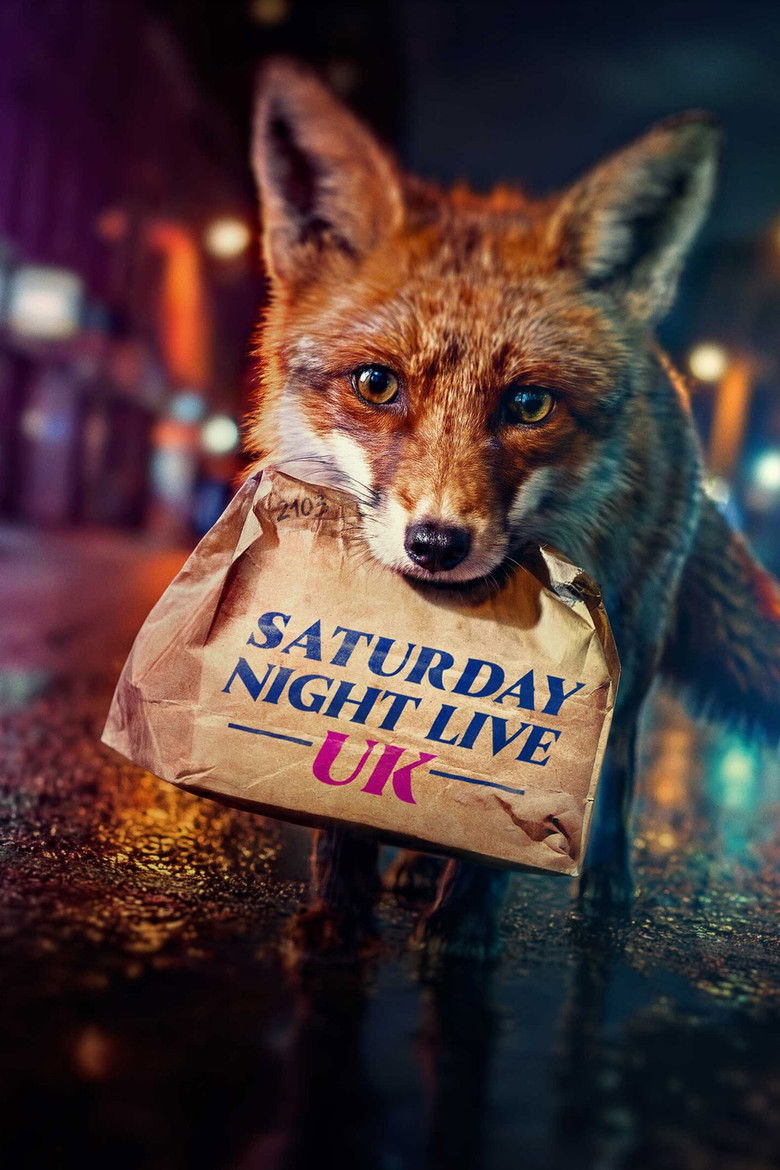
The streaming era, for all its promised bounty, has become a content jungle. We're drowning in options, yet constantly feel like we're missing the "next big thing." This isn't just about an abundance of mediocre shows; it's about genuinely brilliant, often unconventional, series being relegated to the algorithmic shadows. The term "underrated" has become a bittersweet badge of honor, signifying quality ignored by the masses. It's a cultural symptom of an industry obsessed with scale, often at the expense of nuance and diverse appeal. What does it mean when a genuinely fresh take on a global comedy institution barely registers on the public consciousness? Or when a meticulously crafted anime only speaks to its devoted, but limited, fanbase? It tells us that our discovery mechanisms are broken, and our collective viewing habits are becoming dangerously insular.
Unpacking the Underrated TV Phenomenon
In this age of endless scrolling, truly standout shows often slip through the cracks. This article delves into: * The overwhelming struggle for unique voices to be heard amidst the streaming din. * Why the razor-sharp wit of Saturday Night Live UK has yet to capture mainstream attention. * The powerful, yet often overlooked, appeal of niche global genres like Isekai anime. * A look into what this content saturation reveals about today's audience preferences. * Predictions for how the television landscape will evolve to address these challenges.
The British Invasion That Never Was: Saturday Night Live UK
Let's talk about Saturday Night Live UK.
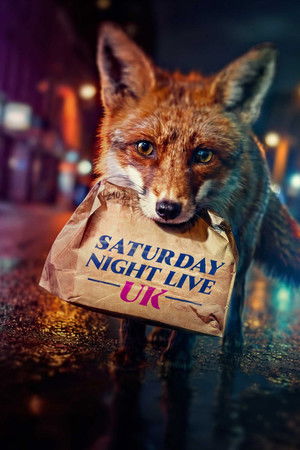 When news broke of a British adaptation of the iconic American sketch show, cynics (myself included, initially) braced for a pale imitation. What we got, however, was a masterclass in cultural translation. This isn't just SNL with British accents; it's a show that understands the biting, self-deprecating, and often absurd heart of British comedy. Its sketches are surgically precise, its political satire cuts deeper than a surgeon's scalpel, and its ensemble cast is a revelation, showcasing a roster of comedic talent that deserves to be as globally recognized as their American counterparts. Episode after episode, it delivers moments of pure genius, from hilariously awkward social commentary to surprisingly poignant character pieces. Yet, it remains an open secret, a cult hit rather than the zeitgeist-defining force it should be. Why? Perhaps it's the sheer ubiquity of the original SNL, or maybe audiences are simply too overwhelmed to seek out quality beyond the heavily promoted blockbusters. It's a stark reminder that even a beloved format, when given a brilliant new lease of life, can be drowned out by the sheer volume of content. It’s a testament to its quality that it survives, but a tragedy it doesn't thrive more widely.
The Isekai Enigma: The Greatest Demon Lord Is Reborn as a Typical Nobody
Then there's the world of anime, a realm often dismissed by mainstream Western audiences despite its rich storytelling and diverse genres. The Greatest Demon Lord Is Reborn as a Typical Nobody is a prime example.
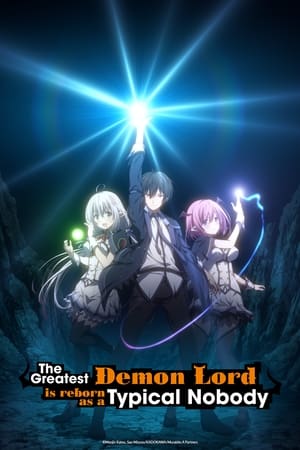 This Isekai series, which follows the absurdly powerful Demon Lord Varvatos as he's reincarnated into a weaker future self, offers exactly what its fans crave: a fun, action-packed adventure with a clever twist on power fantasy tropes. It's well-animated, entertainingly written, and hits all the right notes for its target audience. But for anyone outside the anime bubble, it's effectively invisible. The assumption that anime is a monolithic genre, or that subtitles are a barrier too great to overcome, keeps many from discovering these gems. Just as The Medical Drama Everyone's Missing in 2026 highlighted how genre bias can obscure excellent storytelling, so too does it plague the perception of anime. The problem isn't the quality of these shows; it's the cultural conditioning that funnels viewers towards familiar, easily digestible content, reinforcing algorithmic echo chambers.
The Audience's Dilemma: Comfort, Algorithms, and the Cult of the Familiar
What do these "underrated" phenomena tell us about audiences in 2026? We're exhausted. The paradox of choice has morphed into the burden of choice. Viewers gravitate towards what's easy, what's loud, or what's algorithmically spoon-fed. The risk of exploring something new feels too high when there are a hundred "safe" options. Niche content, whether it's British sketch comedy or Japanese Isekai, thrives on passion and community, but struggles for broad discovery. The platforms, optimized for engagement and retention within established tastes, rarely push viewers truly outside their comfort zones, leading to a fragmented media landscape where excellent content can exist in parallel universes of popularity. It forces us to ask: is "underrated" a failure of marketing, a failure of the algorithm, or a failure of the audience to seek beyond the obvious?
Editor's Verdict
Saturday Night Live UK is a genuinely impressive comedic achievement that stands proudly alongside its legendary predecessor. It’s sharp, culturally astute, and a complete blast, making its relative obscurity a baffling oversight.
The Future of Television: Curation, Community, and the Counter-Algorithm
Looking ahead, the "underrated" problem isn't going away. Instead, we'll likely see a further bifurcation of the TV landscape. On one side, the monolithic, algorithm-driven blockbusters aiming for global domination. On the other, a vibrant, perhaps even more robust, ecosystem of niche platforms and independent curators dedicated to unearthing and championing the hidden gems. The power of word-of-mouth, once king, is now amplified by micro-influencers and dedicated online communities. The future isn't just about what the algorithms tell us to watch; it's about active discovery, about those brave enough to dive past the first page of recommendations, and about the communities who tirelessly champion their beloved, often overlooked, shows. So next time you're scrolling, remember: the greatest things are often found off the beaten digital path. You might just discover your next obsession. Like this post if you're tired of the algorithms!
FAQ
Why do good shows often go underrated in the current streaming landscape?
Many excellent shows struggle for mainstream attention due to content overload, algorithmic biases that favor popular content, genre barriers, and audience fatigue, making it difficult for unique or niche productions to break through the noise.
How can I discover more underrated TV shows and movies?
Beyond algorithmic recommendations, consider exploring curated lists from trusted critics, engaging with niche online communities, following genre-specific blogs, or simply taking a chance on titles that don't have massive marketing budgets behind them.