Invincible: More Than Gore, It's This Week's Smartest Superhero Show
Stop dismissing 'Invincible' as gratuitous violence. The new episode arriving this week is primed to cement its status as the most incisive, character-driven superhero deconstruction on television.
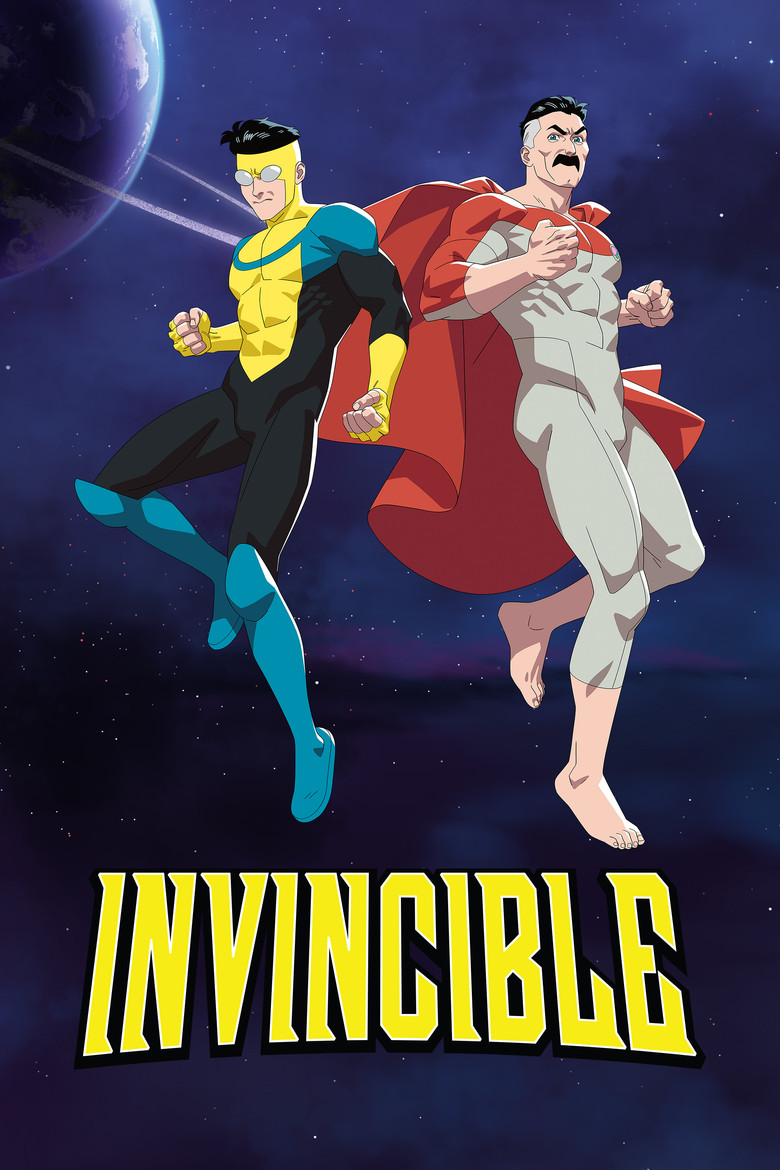
Let's cut through the noise: if you're still writing off Invincible as 'just another hyper-violent superhero cartoon,' you're missing the point entirely. This series, with its impending new episode this week (March 22, 2026), isn't reveling in shock value; it's surgically dissecting the entire superhero genre with a brutal honesty and psychological depth that makes its competitors look like Saturday morning fare. The widespread perception of it as mere spectacle is a profound misreading of its genius.
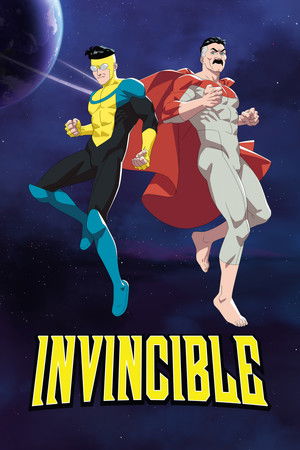
Why Invincible Is This Week's Essential Superhero Watch
This week, as the latest installment hits screens, prepare to have your perceptions challenged. Here's why Invincible is a cut above, beyond the blood:
- Deconstructing Heroism: It pulls no punches in revealing the horrifying implications of unchecked power and the often-grim reality behind the capes.
- Unflinching Character Arcs: Mark Grayson's journey is a masterclass in psychological torment and moral ambiguity, far removed from simplistic good-vs-evil narratives.
- Purposeful Brutality: The gore isn't for kicks; it's a narrative device that grounds fantastical elements in a visceral, impactful reality, forcing viewers to confront consequences.
- Subversive Storytelling: It consistently upends classic superhero tropes, offering a fresh, often uncomfortable, perspective on what it means to be a hero.
The Misunderstood Genius of Its Violence
Many critics, and even some casual viewers, recoil from Invincible's explicit violence, deeming it excessive or immature. This is where they fundamentally misunderstand the show's intent. The sheer, gut-wrenching brutality isn't there to titillate; it's a narrative hammer blow, driving home the true, horrific stakes of superhero conflicts. When Omni-Man devastates a city, or a hero is dismembered, the show doesn't shy away from the visceral horror, and that's its strength. It forces the audience to acknowledge that superpowers, in a real-world context, would be terrifying, messy, and devastating. It strips away the sanitized, consequence-free combat endemic to so many comic book adaptations, presenting a world where every punch leaves a mark, and every hero's failure has a body count.
Compare this to the often-bloodless, consequence-lite battles we see elsewhere. Invincible dares to ask: what if Superman was evil? What if the son of a god struggled with the very concept of good? The violence serves as the stark, visual proof of the answers to these questions, deepening Mark's trauma and the audience's understanding of the world he inhabits. It's a critical component of its storytelling, not a gratuitous distraction. For more series that aren't afraid to get gritty, check out our piece on Unraveling the Latest TV Thrills & Mysteries.
Beyond the Blood: A Character Study in Chaos
But to focus solely on the violence is to miss the beating heart of Invincible: its unparalleled character development. Mark Grayson isn't just a powerful teenager; he's a surrogate for every person struggling with an impossible legacy and the crushing weight of expectation. His internal conflict, the push and pull between his human morality and his Viltrumite heritage, is endlessly fascinating. This week's episode promises to delve deeper into these psychological wounds, exploring the fallout from recent cataclysmic events and setting the stage for even more complex moral dilemmas.
The supporting cast, from Debbie's grounded grief to Atom Eve's struggle with her own powers, are equally compelling, adding layers of emotional resonance that elevate the series far beyond a simple action romp. This is the kind of storytelling that defines new eras of television, much like other 2026's Must-Watch TV: Enduring Icons & Fresh Narratives we've covered.
Editor's Verdict
This week, don't just watch Invincible; understand it. It's not just another animated show; it's a potent, vital commentary on heroism, family, and the terrifying cost of power, executed with an emotional intelligence rarely seen in the genre. Dismissing it for its gore is like critiquing a surgical procedure for being too bloody – you're missing the life-saving purpose.
Editor's Rating: 9/10 Editor's Verdict: 'Invincible' is a masterclass in superhero deconstruction, using its visceral brutality to carve out a profoundly intelligent and emotionally resonant narrative that demands your full attention.
FAQ
Is Invincible suitable for all ages?
No, 'Invincible' is explicitly an adult animated series due to its graphic violence, mature themes, and strong language. It is intended for mature audiences.
What makes Invincible different from other superhero shows?
'Invincible' distinguishes itself through its unflinching depiction of the brutal realities and psychological impact of superpowers, subverting traditional superhero tropes with a focus on character-driven drama and devastating consequences.
Is Invincible based on a comic book?
Yes, 'Invincible' is based on the critically acclaimed comic book series of the same name created by Robert Kirkman, Cory Walker, and Ryan Ottley.