Hannibal vs. Reservation Dogs: Which Overlooked Drama Reigns?
It's a clash of prestige and pathos. Lit-Pop pits two critically acclaimed, yet criminally underwatched, TV dramas head-to-head to crown the true unsung champion of television.
In an era saturated with streaming options, truly exceptional television often gets lost in the digital ether. We're not talking about your water-cooler blockbusters; we're dissecting the shows that critics adore but somehow slip under the mainstream radar. Today, we're putting two such titans of understated brilliance in the ring: Bryan Fuller's visually arresting psychological horror, Hannibal, and Sterlin Harjo and Taika Waititi's groundbreaking Indigenous dramedy, Reservation Dogs.
Why These Unsung Dramas Deserve Your Binge Now
For those searching for their next obsession beyond the usual suspects, understanding what makes a truly great yet overlooked series is key. Here's what we'll be dissecting:
- Narrative Nuance: How each show crafts its unique storytelling DNA.
- Magnetic Performances: The actors who breathe unforgettable life into complex characters.
- Unforgettable Aesthetics: The visual and atmospheric artistry that sets them apart.
- Lasting Cultural Resonance: Which series leaves a more indelible mark on the television landscape.
The Contenders: A Quick Look
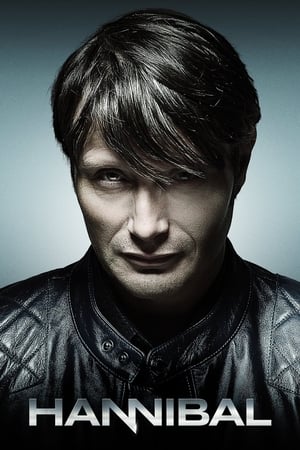
First up, we have Hannibal. Running for three seasons on NBC, this reinterpretation of Thomas Harris's iconic characters was a feast for the senses — dark, beautiful, and utterly disturbing. It's a show that dared to be art on network television, pushing boundaries with its stunning cinematography, elaborate culinary horrors, and the chilling, complex relationship between Dr. Hannibal Lecter (Mads Mikkelsen) and FBI profiler Will Graham (Hugh Dancy).
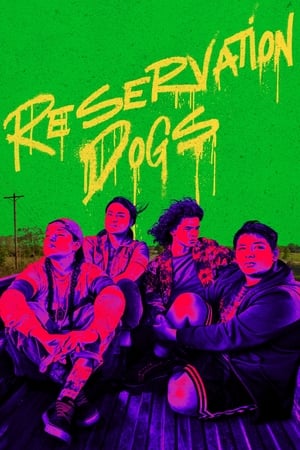
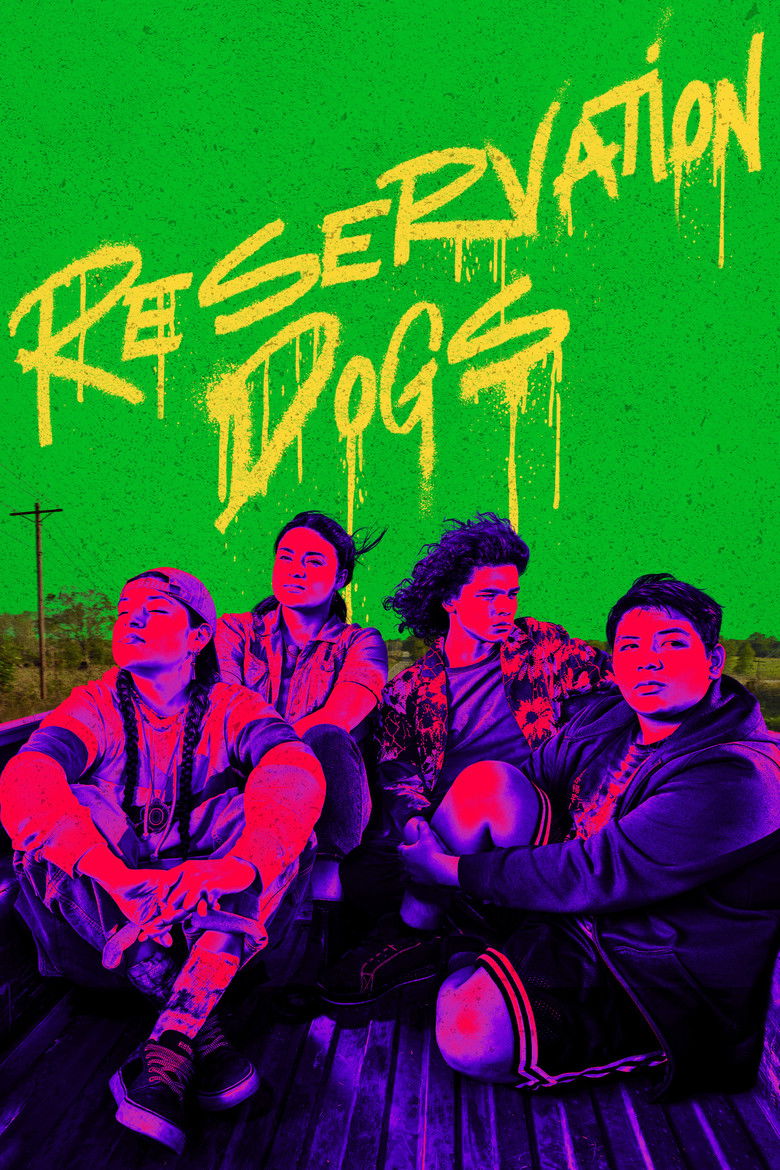
Then there's Reservation Dogs, a revelation that premiered on FX on Hulu. This dramedy follows four Indigenous teenagers growing up on a reservation in rural Oklahoma, navigating grief, dreams, community, and the mundane absurdities of everyday life. It's a show that's effortlessly funny, deeply poignant, and refreshingly authentic, a true landmark in Indigenous storytelling.
Head-to-Head: The Showdown
Narrative Nuance: Psychological Chess vs. Poetic Slice-of-Life
Hannibal: Fuller's vision for Hannibal isn't about conventional plot progression; it's a slow-burn, operatic dance of psychological manipulation and existential horror. Each episode is less a procedural and more a meticulously crafted tableau, exploring the monstrous and the beautiful intertwined. The narrative is often abstract, forcing viewers to lean in and interpret, making for a uniquely cerebral experience. It's less about what happens and more about why it feels so exquisitely unsettling. (Score: 9/10)
Reservation Dogs: Reservation Dogs thrives on a delicate balance. It's episodic, often focusing on a specific character or a singular, quirky event, yet it meticulously builds a tapestry of community and coming-of-age. The storytelling is deceptively simple, blending sharp humor with moments of profound sorrow and subtle magical realism. Its strength lies in its authenticity and the way it allows its characters to simply be, offering a perspective rarely seen on television. It feels organic, lived-in, and deeply human. (Score: 9/10)
Magnetic Performances: Iconic Duos vs. Authentic Ensemble
Hannibal: The heart of Hannibal beats in the electrifying, perverse chemistry between Mads Mikkelsen's urbane, terrifying Lecter and Hugh Dancy's tormented, empathetic Will Graham. Mikkelsen's controlled, almost balletic performance as the cannibalistic psychiatrist is legendary, a masterclass in subtle menace. Dancy matches him beat for beat, portraying a man perpetually on the brink of madness. The supporting cast, particularly Gillian Anderson's Dr. Bedelia Du Maurier, offers equally captivating, understated performances. (Score: 10/10)
Reservation Dogs: What Reservation Dogs lacks in traditional 'star power,' it more than makes up for in sheer, unvarnished authenticity. The four lead actors – Devery Jacobs, D'Pharaoh Woon-A-Tai, Lane Factor, and Paulina Alexis – are phenomenal, delivering performances that feel utterly natural and deeply connected to their characters. There's a lived-in quality to their interactions, a genuine camaraderie and conflict that only comes from brilliant casting and writing. The extensive ensemble of supporting characters, including Zahn McClarnon as Officer Big, are equally compelling and vital to the show's rich world-building. (Score: 9/10)
Unforgettable Aesthetics: Baroque Beauty vs. Grounded Grandeur
Hannibal: Visually, Hannibal is a masterpiece. From the meticulously arranged 'food art' (often composed of human flesh) to the stark, elegant production design and the dreamlike cinematography, every frame is a work of art. It's a show that luxuriates in its own gothic beauty, creating an atmosphere that's both horrifying and irresistibly seductive. The show's commitment to its unique aesthetic is unwavering, making it unlike anything else on television. (Score: 10/10)
Reservation Dogs: While Reservation Dogs doesn't aim for the high-gloss, hyper-stylized look of Hannibal, its aesthetic is equally powerful in its own right. The show beautifully captures the dusty, sun-drenched landscapes of rural Oklahoma, making the environment a character in itself. There's a naturalistic, almost documentary-like quality to the cinematography that grounds the more surreal elements, creating a distinct visual language that feels authentic to the Indigenous experience. It's a quiet grandeur that speaks volumes. (Score: 8/10)
Lasting Cultural Resonance: Cult Classic vs. Groundbreaking Representation
Hannibal: Hannibal has garnered a fervent, dedicated fanbase – the 'Fannibals' – who continue to champion its brilliance years after its cancellation. It proved that prestige, uncompromising horror could exist on network television and significantly elevated the genre's artistic credibility. Its influence is palpable in subsequent dark, psychological thrillers. It's undeniably a cult classic, celebrated for its artistic daring and refusal to compromise. (Score: 8/10)
Reservation Dogs: The cultural impact of Reservation Dogs is nothing short of revolutionary. As one of the first mainstream television series to feature an entirely Indigenous writing staff, directing team, and main cast, it has shattered barriers and opened doors for countless Native creators and stories. Beyond its representation, the show offers a nuanced, hilarious, and deeply moving portrayal of Indigenous life that actively combats stereotypes. Its legacy is not just about entertainment, but about changing the face of television, proving that authentic, specific stories have universal appeal and profound importance. It's a cultural touchstone that will be referenced for decades. For more groundbreaking narratives, check out Underrated TV Masterpieces: Lit-Pop's Official Scorecard. (Score: 10/10)
The Verdict: A Clear Winner Emerges
This was a grueling match, pitting two truly exceptional, yet often overlooked, dramas against each other. Hannibal is an undeniable artistic triumph, a show that pushed the boundaries of visual storytelling and psychological horror, cementing its place as a revered cult classic. Its performances are iconic, its aesthetic unparalleled.
However, in a head-to-head comparison where impact and originality are weighted heavily, Reservation Dogs takes the crown. While Hannibal excelled in its niche, Reservation Dogs wasn't just excellent; it was necessary. It broke new ground, offered an authentic, vital voice that was missing from television, and did so with unparalleled humor, heart, and artistic integrity. Its quiet revolution is precisely what makes it the more significant, enduring, and ultimately, more deserving champion of your binge-watching attention this March 2026.
Editor's Verdict
Featured Title: Reservation Dogs Editor Rating: 9/10
A poignant, groundbreaking dramedy that expertly blends humor, heart, and surrealism, Reservation Dogs is an essential, unparalleled voice in modern television. It's a cultural landmark that demands to be seen and celebrated.
FAQ
What is Hannibal about?
Hannibal is a psychological horror-thriller series based on characters from Thomas Harris's novels. It explores the early relationship between FBI profiler Will Graham and forensic psychiatrist Dr. Hannibal Lecter, long before their true natures are fully revealed.
What is Reservation Dogs about?
Reservation Dogs is a dramedy that follows the lives of four Indigenous teenagers living on a reservation in rural Oklahoma. They spend their days committing petty crimes and dreaming of escaping to California, navigating grief, community, and the quirks of their everyday lives.
Why are these shows considered overlooked TV dramas?
Despite receiving widespread critical acclaim, both Hannibal and Reservation Dogs, for different reasons, didn't achieve the same massive mainstream viewership as some other prestige dramas. Hannibal's niche, artistic horror pushed network TV boundaries, while Reservation Dogs, though lauded, represents a specific cultural voice that may not have initially reached the broadest audience.