Beyond the Iron Throne: Game of Thrones' Unyielding Reign
Years after its divisive finale, HBO's fantasy epic remains the yardstick for ambitious television. Lit-Pop dissects its enduring power and complex legacy.
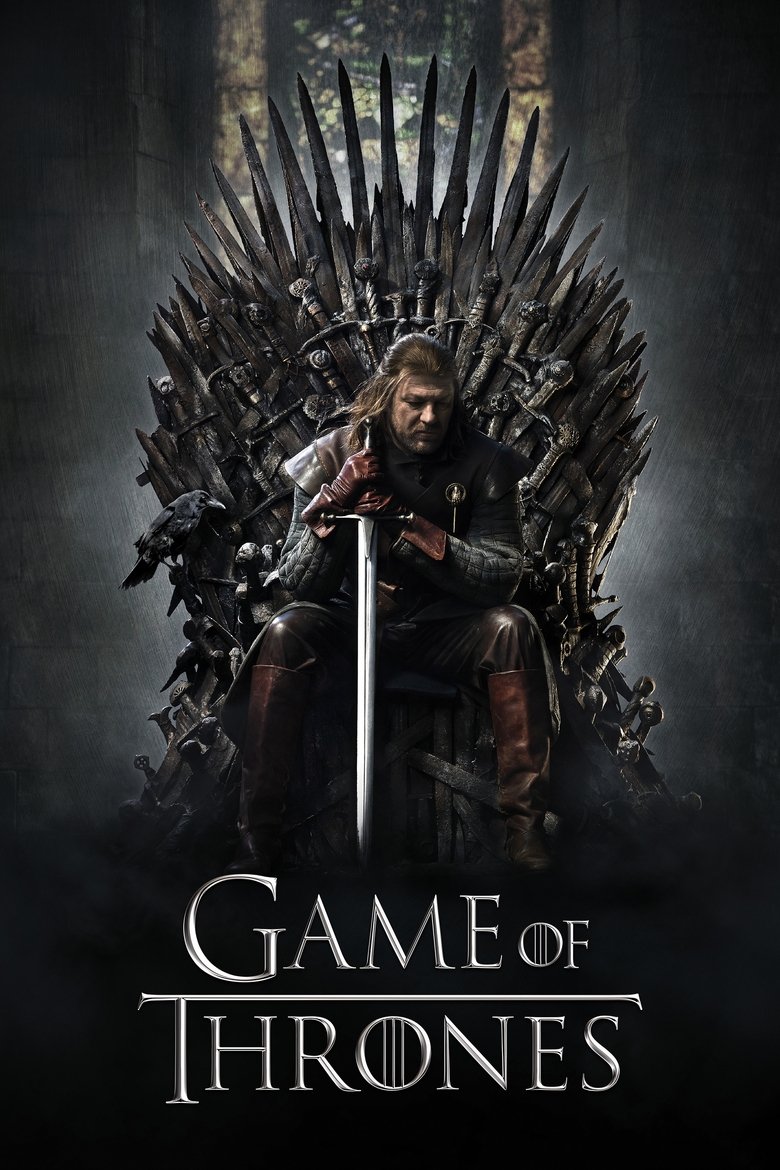
Let's face it: the television landscape, particularly in the realm of high fantasy, still lives in the shadow of Game of Thrones. Even as new contenders rise and fall, and prequels like the much-anticipated A Knight of the Seven Kingdoms prepare to grace our screens, the original series, warts and all, continues to cast an immense, unyielding pall over what we expect from epic storytelling. It’s a show whose final season sparked a global inferno of debate and disappointment, yet paradoxically, solidified its status as a cultural behemoth. To dismiss Game of Thrones now, even after its perceived stumble, would be to ignore the foundational shift it brought to prestige television. It didn't just break records; it broke the mold, proving that dragons and political intrigue could captivate a mainstream audience like nothing before.
Game of Thrones: Unpacking the Westeros Phenomenon
For those still haunted by the specter of White Walkers or the treachery of the Lannisters, this deep dive offers a look beyond the final whispers of its controversial ending. We're here to dissect why Game of Thrones remains an unshakeable pillar of modern television, an epic whose influence continues to shape everything that follows.
- The unparalleled world-building and narrative ambition of Westeros.
- How complex characters drove its brutal, often shocking, plot.
- Its profound influence on modern television and the fantasy genre.
- The enduring debate surrounding its controversial final season, viewed as a testament to its initial power.
A World Forged in Fire and Ice: Unmatched Scope and Detail
Before Game of Thrones, fantasy on television was largely relegated to niche audiences or watered-down, family-friendly fare. Then came Westeros: a continent drenched in lore, history, and a political machination so intricate it would make Machiavelli blush. Adapted from George R.R. Martin's A Song of Ice and Fire, the series didn't just hint at a rich backstory; it immersed us in it. From the frozen wastes Beyond the Wall to the sun-baked sands of Dorne, every location felt lived-in, every house had a sigil, a motto, and centuries of bitter rivalries. The sheer audacity of its world-building set a new benchmark. Shows like The Rings of Power or The Witcher have attempted to replicate this scale, but few have matched the organic, almost historical feel of Westeros. The series juggled dozens of main characters, multiple continents, and storylines spanning generations, all while maintaining a cohesive, compelling narrative. The early seasons, in particular, were a masterclass in exposition without feeling expository, weaving the deep lore into the fabric of character interactions and brutal consequences. It taught audiences to love the slow burn, the nuanced dialogue, and the devastating impact of political miscalculation.
The Moral Compass, Lost and Found: Character Complexity Personified
What truly elevated Game of Thrones beyond typical fantasy was its relentless commitment to moral ambiguity. There were no clear-cut heroes or villains, only people driven by ambition, love, fear, and a desperate struggle for survival. Take Jaime Lannister: introduced as a villainous kingslayer who shoves a child from a tower, he embarked on one of television's most compelling redemption arcs, only to revert to his protective, incestuous instincts in the very end. Daenerys Targaryen, the Khaleesi and breaker of chains, transformed from a liberator to a tyrant, a tragic descent that mirrored historical figures and challenged viewers' allegiances. Even the seemingly heroic figures like Ned Stark met brutal, unexpected ends, shattering the traditional protagonist shield. This refusal to adhere to predictable tropes kept audiences on the edge of their seats, fostering an emotional investment rarely seen in serialized drama. Performances from actors like Peter Dinklage as the cynical, brilliant Tyrion Lannister, or Lena Headey as the chillingly pragmatic Cersei, cemented these characters as iconic. Their nuanced portrayals gave weight to every twist and turn, proving that even in a world of dragons and ice zombies, human nature was the most fascinating, and terrifying, element of all. This complex character work is a major reason why the series still sparks discussion, even influencing how we dissect characters in other intense dramas, a trend we discussed in The Age of Cathartic Cringe: TV Embraces Our Inner Rage.
A Visual Symphony: Redefining Television Spectacle
Before Game of Thrones, few believed television could compete with the cinematic grandeur of Hollywood blockbusters. Yet, from its very first season, Game of Thrones obliterated that assumption. The production values were simply unprecedented for a weekly series. Battle sequences, like the Battle of the Bastards or the Battle of Blackwater, weren't just impressive; they were groundbreaking, employing film-level choreography, thousands of extras, and state-of-the-art visual effects. The dragons, especially, evolved from fantastical beasts to living, breathing characters, each fiery breath a testament to the show's uncompromising commitment to visual excellence. Ramin Djawadi's iconic score, a haunting blend of orchestral power and world-infused melodies, became as synonymous with Westeros as the Iron Throne itself, elevating every dramatic beat. This relentless pursuit of cinematic quality forced the entire industry to re-evaluate what was possible on the small screen. It paved the way for other ambitious, high-budget series, effectively ushering in the golden age of
FAQ
Why is Game of Thrones still considered influential despite its ending?
Game of Thrones' influence stems from its groundbreaking world-building, complex character arcs, cinematic production values, and its role in legitimizing high fantasy for mainstream television, setting a new standard for ambitious serialized storytelling.
How did Game of Thrones change the fantasy genre on TV?
It shifted the perception of fantasy from niche to prestige. The show introduced mature themes, moral ambiguity, political realism, and unprecedented production scale, paving the way for more complex and darker fantasy adaptations to follow.
What are some key aspects of Game of Thrones' legacy?
Its legacy includes a blueprint for intricate world-building, a bold approach to character development (including killing off protagonists), elevating TV production standards, and inspiring numerous imitators and prequels, such as the upcoming 'A Knight of the Seven Kingdoms'.