The Age of Cathartic Cringe: TV Embraces Our Inner Rage
From road rage to existential dread, modern audiences are flocking to critically acclaimed series that mirror their most uncomfortable anxieties. BEEF leads the charge.
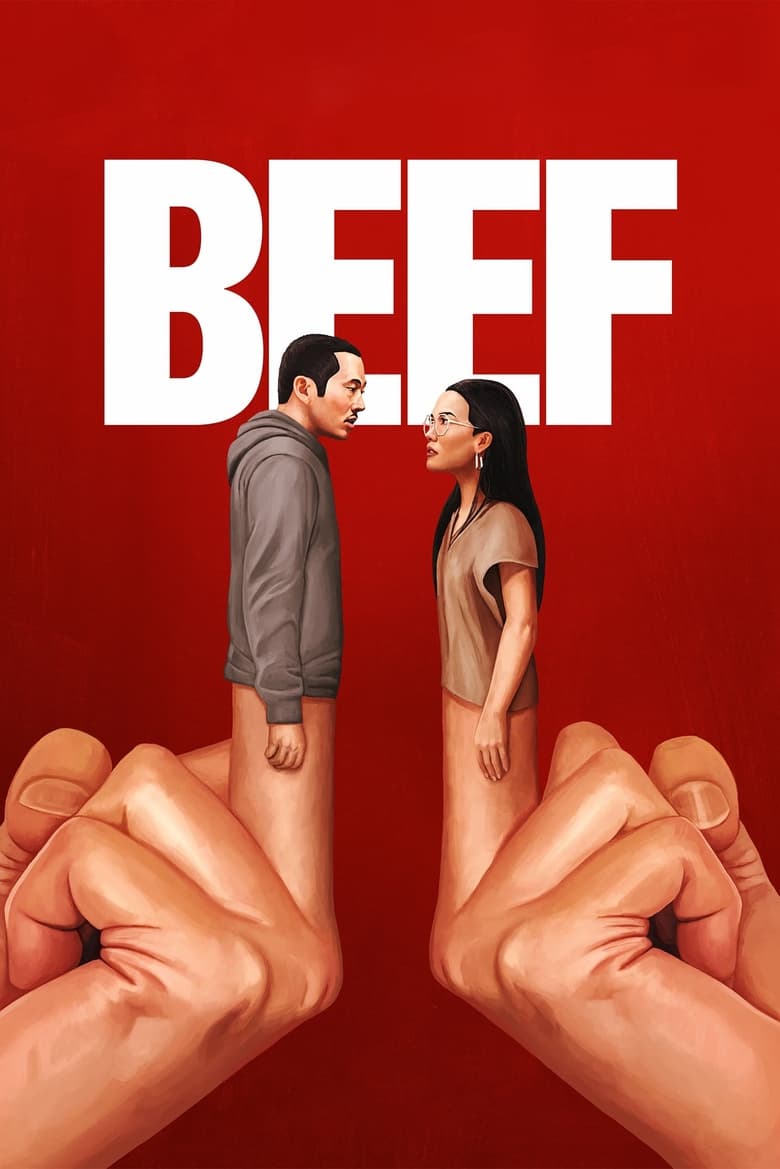
We've entered a new golden age of television, not defined by sprawling fantasy epics or intricate political thrillers, but by something far more unsettling and, frankly, liberating: the cathartic cringe-fest. Audiences are no longer content with mere escapism. We crave the raw, the relatable, the uncomfortable, and the exquisitely petty. We want to see our own simmering resentments, our unspoken anxieties, and our irrational outbursts played out with brutal honesty and often, pitch-black humor. This isn't just a trend; it's a mirror held up to a society on edge, and the best new shows are unflinchingly reflecting that reality.
Diving Deep into Modern TV Narratives
This article unpacks the cultural phenomenon of television that dares to embrace our flaws and frustrations. Here’s what we’ll explore:
- The rise of "rage-core" television as a dominant cultural force.
- How BEEF perfectly encapsulates modern anxiety and the absurdities of human connection.
- Contrasting contemporary dramas with older, simpler narratives like Adam-12.
- What this significant shift in storytelling reveals about today's audience.
- Predictions for the future of television storytelling and its evolving relationship with our collective psyche.
BEEF: The Quintessential Modern Meltdown
No series exemplifies this cultural shift quite like BEEF.
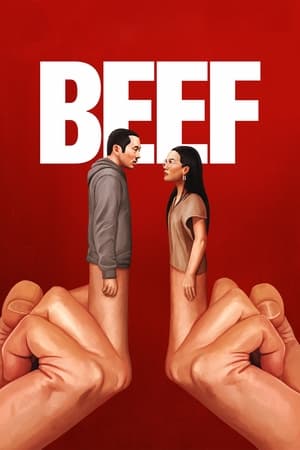
This critically acclaimed dark comedy-drama, currently buzzing across streaming platforms, started with a simple road rage incident. But from that mundane spark, creators Lee Sung Jin, and stars Steven Yeun and Ali Wong, ignite a wildfire of escalating pettiness, existential dread, and profoundly relatable human imperfection. It’s not just about two people locked in a ridiculously vengeful feud; it’s a masterclass in dissecting the underbelly of modern life. Danny Cho (Yeun) and Amy Lau (Wong) are not villains, nor are they heroes. They are us: frustrated, overstimulated, deeply flawed individuals teetering on the brink, desperately seeking connection while simultaneously destroying everything in their path. The genius of BEEF lies in its ability to make you wince, laugh, and squirm in equal measure, recognizing glimmers of your own worst impulses in every spectacularly misguided decision.
From Orderly Patrols to Chaotic Catharsis: A Narrative Evolution
To truly appreciate the audacious storytelling of BEEF, it’s vital to look back at what TV once offered. Consider a classic like Adam-12.
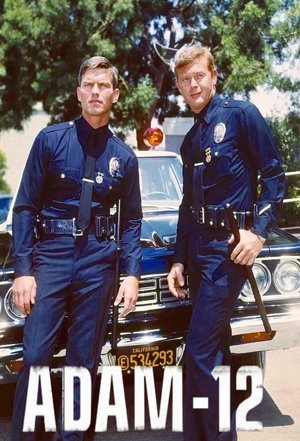
This iconic police procedural, beloved for decades, presented a world of clear-cut morality, heroic law enforcement, and tidy resolutions. Every episode, Officers Malloy and Reed handled a new case, brought order to chaos, and by the credits, justice was served. It was comforting, predictable, and, frankly, a little naive by today's standards. There was no deep dive into the officers' simmering resentments over their socioeconomic status or crippling imposter syndrome. The personal was largely secondary to the professional, and the 'bad guys' were unequivocally bad. This contrast highlights a significant shift: audiences now demand complexity, ambiguity, and characters who reflect the messy, often contradictory reality of their own lives. We're past the era of neat bows and black-and-white morality; we want the frayed edges and the uncomfortable truths. It's why many niche shows that explore deeper, often uncomfortable themes are finding their footing more than ever, a topic we've explored before in Why Niche TV Masterpieces Struggle for Airtime.
What This Says About Us: The Audience Today
This surge in popularity for series like BEEF isn't just about good writing; it's a seismic cultural indicator. We're a generation steeped in constant connection yet plagued by profound isolation. We're bombarded by curated perfection on social media, making our internal struggles feel all the more shameful. Shows that unapologetically lay bare the anxieties, insecurities, and petty frustrations of ordinary people offer a powerful form of validation. It's a collective sigh of relief to see someone else's inner monologue, their unspoken rage, their desperate desire for control, externalized on screen. We don't just want to escape; we want to be understood, even if that understanding comes through a darkly comedic lens of schadenfreude.
The Future Is Uncomfortable, And We're Here For It
Expect this trend to intensify. The days of television as purely aspirational fantasy are dwindling. The future of critically acclaimed TV lies in its ability to fearlessly explore the human condition, warts and all. We'll see more narratives that push boundaries, revel in moral ambiguity, and force us to confront the aspects of ourselves we'd rather ignore. From the subtle microaggressions of daily life to the explosive consequences of unaddressed trauma, the new wave of television will continue to mine our collective discomfort for compelling, resonant, and utterly essential viewing. Bring on the cringe; we're ready.
Editor's Verdict
Rating: 9/10
BEEF is a masterclass in mining the depths of modern frustration for both gut-wrenching drama and darkly comedic gold, proving that the most relatable stories often lie in our most uncomfortable truths. It's essential viewing for anyone who has ever felt the slow burn of everyday rage.
FAQ
What genre is BEEF?
BEEF is primarily categorized as a dark comedy-drama, blending intense character-driven conflict with moments of absurd humor and profound social commentary.
Where can I stream BEEF?
BEEF is available to stream exclusively on Netflix.
Why is BEEF considered critically acclaimed?
BEEF is lauded for its sharp, insightful writing, exceptional and nuanced performances from its lead actors, and its unflinching exploration of modern anxiety, consumerism, and the complexities of human connection and rage.