April's TV Truths: Ranking Streaming's Real MVPs
Forget the fleeting buzz. Lit-Pop’s definitive scorecard exposes which 'must-watch' shows truly deliver lasting impact this April 2026, and which are just digital filler.
In an era where 'trending' often means 'forgotten by next Tuesday,' separating the streaming wheat from the chaff is a full-time job. This April 2026, we’re cutting through the noise with a brutal honesty only Lit-Pop can deliver. Forget algorithms; our scorecard assesses what truly makes a show essential viewing, not just popular. We've watched the 'hits,' weighed their worth, and are ready to crown the genuine titans of the small screen.
Unpacking April 2026's Top TV
Curious about which trending shows are worth your precious binge-watching hours this month? This scorecard reveals:
- Our uncompromising scoring system for true TV greatness.
- A deep dive into The Beast in Me, dissecting its appeal (or lack thereof).
- Why Firefly continues to charm, decades later.
- The chilling, timely relevance of Black Mirror's dystopian visions.
- The enduring, unparalleled power of The Wire's storytelling.
Our Lit-Pop TV Scorecard: The Methodology
To strip away the fluff and get to the core of what makes a television show truly great, we've developed a four-pronged attack, each worth a maximum of 10 points. Our total potential score is 40 points.
- Narrative Resonance (0-10): How deeply does the story penetrate, challenge, or reflect reality? Is it merely plot-driven, or does it offer profound thematic insights and character arcs that stick with you?
- Performance Power (0-10): The sheer force and believability of the acting, the ensemble's synergy, and individual standout moments that elevate the material beyond the script.
- Conceptual Innovation (0-10): Does it break new ground, or is it a rehash? How effectively and originally does it utilize its chosen genre or format? Is it daring, or does it play it safe?
- Cultural Stamina (0-10): Will this show be discussed in five years? Does it leave a lasting imprint beyond its initial run, shaping conversations or inspiring future creators?
The Contenders, Ranked:
4. The Beast in Me
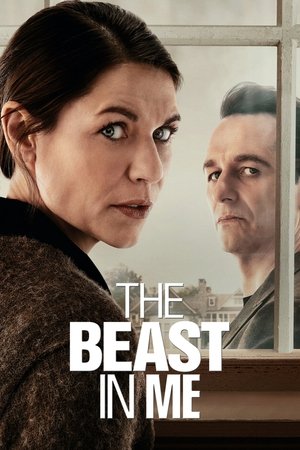
Let’s be blunt: The Beast in Me is perfectly watchable, if you enjoy the TV equivalent of elevator music. It’s got a premise that could be intriguing—a woman discovering her husband's dark secret—but it never quite claws its way out of the 'generic thriller' bin. The acting is adequate, the plot twists are telegraphed, and by the time the credits roll, you’re less gripped and more just… done. It feels like a show designed by committee, hitting all the expected beats without ever finding a pulse of its own. It's the kind of show you'd have on in the background while doing laundry, and frankly, the laundry might be more compelling.
- Narrative Resonance: 4/10 (A familiar story told with minimal depth.)
- Performance Power: 5/10 (Competent, but no one is truly challenged or shines.)
- Conceptual Innovation: 3/10 (Rehashes tired tropes without a fresh perspective.)
- Cultural Stamina: 2/10 (Destined for the 'remember that show?' graveyard.)
Total: 14/40
3. Firefly
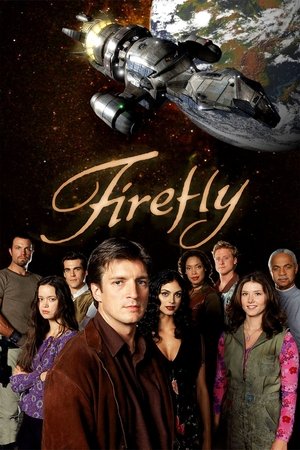
Ah, Firefly. The cult classic that launched a thousand 'canceled too soon' rants. And while the fervor is understandable—it was great—let's temper expectations. Whedon's space western delivered an undeniable charm, witty banter, and a band of misfits you genuinely rooted for. The episodic adventures of Serenity's crew were a breath of fresh air, blending sci-fi with gritty frontier aesthetics. Nathan Fillion as Mal Reynolds was perfectly cast, a rogue with a heart of (tarnished) gold. However, its brevity means its grand narrative potential was never fully realized. It’s a beautiful, shiny glimpse of what could have been, rather than a fully fleshed-out universe. Its cultural stamina is purely retrospective, built on nostalgia and what-ifs.
- Narrative Resonance: 7/10 (Engaging character arcs and thematic exploration of freedom vs. control, but cut short.)
- Performance Power: 8/10 (Fillion, Tudyk, Staite – a truly charismatic ensemble.)
- Conceptual Innovation: 8/10 (Space western fusion executed brilliantly, felt fresh at the time.)
- Cultural Stamina: 6/10 (Lives on fiercely in fan hearts, but limited by its single season.)
Total: 29/40
2. Black Mirror
When Black Mirror is good, it’s terrifyingly, brilliantly good. This anthology series isn't just about technology run amok; it’s a searing indictment of human nature and society's complacent march towards digital dystopia. Episodes like "San Junipero" offer poignant beauty, while "USS Callister" rips the veneer off toxic fandom. The show’s strength lies in its ability to present a plausible, unsettling future that often feels just around the corner, forcing genuine introspection. However, its quality does fluctuate wildly between seasons, with some episodes feeling like lesser retreads of earlier, stronger concepts. When it misses, it misses hard, losing its intellectual bite and becoming just another cautionary tale. Still, when it hits, few shows resonate as powerfully. For another example of criminally overlooked genre brilliance, check out our take on Netflix's Archive 81: A Canceled Gem, Not Just Another Flop.
- Narrative Resonance: 8/10 (At its best, it's profoundly unsettling and thought-provoking.)
- Performance Power: 7/10 (Strong, often unsettling performances from varied casts.)
- Conceptual Innovation: 9/10 (Each episode a fresh, often chilling, take on technology and society.)
- Cultural Stamina: 8/10 (Its concepts are now part of our cultural lexicon; a truly influential series.)
Total: 32/40
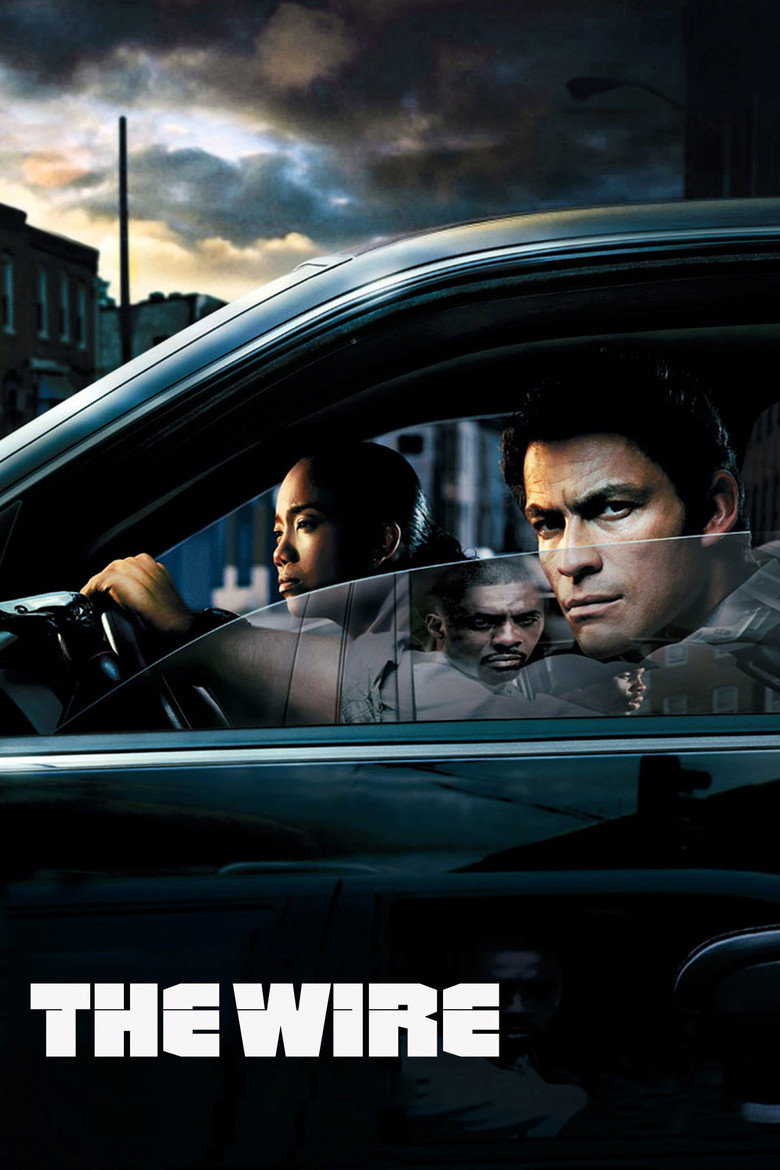
1. The Wire
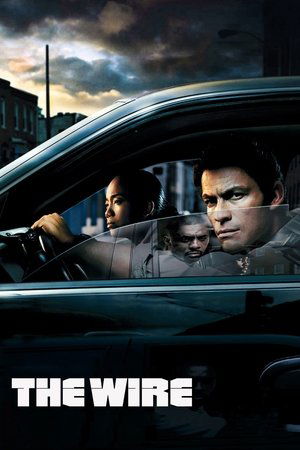
Let's get one thing straight: The Wire isn't just a TV show; it's a sociological text, a novel for the screen that redefined what episodic storytelling could achieve. David Simon’s masterpiece meticulously dissects the institutions of Baltimore—the drug trade, the police, the docks, the politicians, the schools, the press—showing how they are all interconnected, often corrupt, and ultimately failing the people within them. There are no easy heroes or villains, just complex, morally compromised individuals trapped in systems larger than themselves. The ensemble cast is breathtaking, with every performance, from McNulty’s cynical charm to Omar’s iconic swagger, feeling utterly authentic. It demands patience, but the payoff is an unparalleled understanding of urban decay and institutional failure. Its legacy rivals any prestige drama, including the often-discussed Game of Thrones' Unyielding Reign. The Wire isn't just great; it's essential viewing.
- Narrative Resonance: 10/10 (Unrivaled depth, unflinching realism, and profound social commentary.)
- Performance Power: 10/10 (An ensemble masterclass; every character feels lived-in and real.)
- Conceptual Innovation: 9/10 (Pioneered the 'novel for television' approach, setting a new standard for complexity.)
- Cultural Stamina: 10/10 (A permanent fixture in the pantheon of television history, consistently cited and studied.)
Total: 39/40
April 2026 TV Scorecard: The Final Ranking
| Rank | Show Title | Narrative Resonance | Performance Power | Conceptual Innovation | Cultural Stamina | Total Score |
|---|---|---|---|---|---|---|
| 1 | The Wire | 10 | 10 | 9 | 10 | 39/40 |
| 2 | Black Mirror | 8 | 7 | 9 | 8 | 32/40 |
| 3 | Firefly | 7 | 8 | 8 | 6 | 29/40 |
| 4 | The Beast in Me | 4 | 5 | 3 | 2 | 14/40 |
Editor's Verdict
The Wire is not just trending, it's a timeless masterpiece. Its unflinching realism and unparalleled narrative depth continue to challenge and inform, proving that truly great television never ages, only deepens. You simply must watch it.
FAQ
What makes The Wire so highly rated by critics?
The Wire is lauded for its unparalleled realism, complex characters, and its "novel for television" approach, meticulously exploring systemic issues within Baltimore's institutions rather than focusing on a single hero's journey.
Does Black Mirror have a consistent quality across all seasons?
No, Black Mirror's quality tends to fluctuate between seasons and even individual episodes. While its peak episodes are critically acclaimed and highly impactful, some later episodes have been criticized for being less innovative or impactful than earlier ones.
Why was Firefly cancelled despite its popularity?
Firefly was cancelled after only one season due to a combination of factors including Fox's poor scheduling (airing episodes out of order), low initial ratings, and a lack of faith from the network despite its creative merit and growing fan base.