Bronte's Toxic Love: Why 'Wuthering Heights' Is a Romance Trap
Don't fall for the hype around the latest 'Wuthering Heights' adaptation; this isn't a love story, it's a cautionary tale. Here's what to watch instead for real romance.
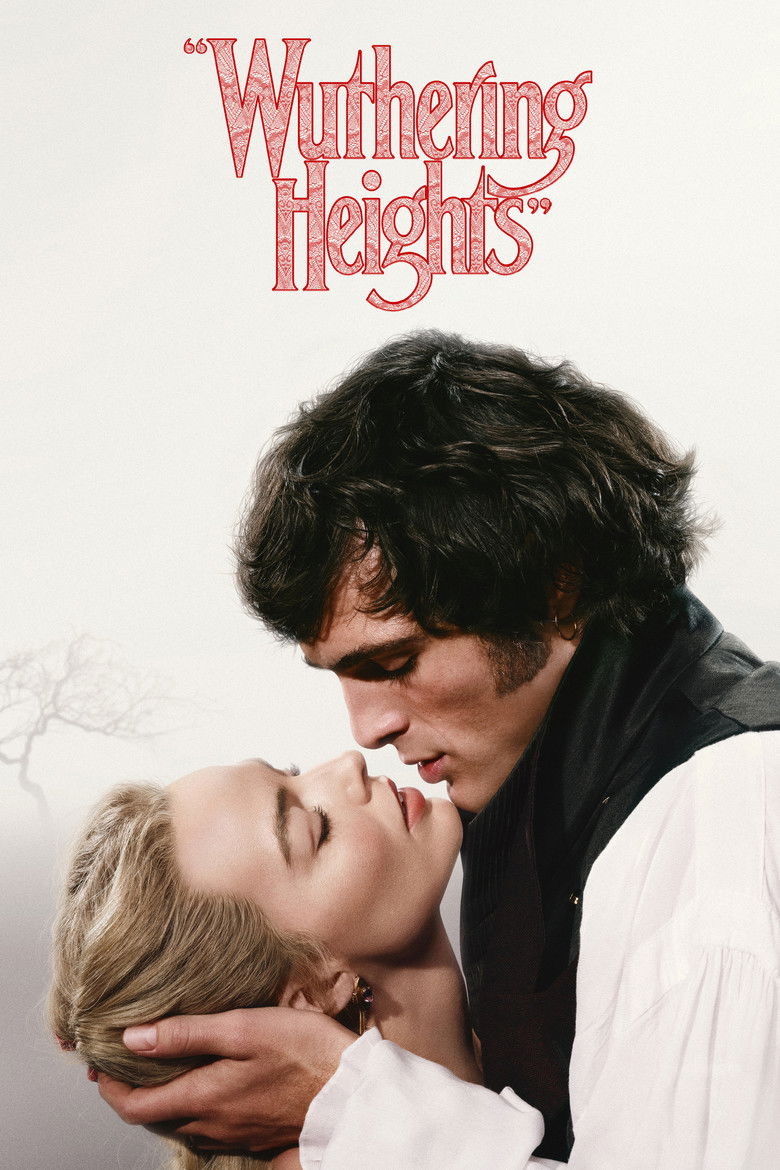
The literary world, and by extension, the cinematic landscape, is once again buzzing with whispers of a fresh adaptation of Emily Brontë's gothic behemoth, "Wuthering Heights". For decades, this tale of Heathcliff and Catherine has been mistakenly lauded as the epitome of passionate, sweeping romance. Fans swoon over its intense, all-consuming love, clinging to the idea that such a profound connection, however fraught, is the ultimate romantic ideal. Well, Lit-Pop is here to burst that bubble: if you're looking for romance, you're looking in the wrong place. This isn't a love story; it's a blueprint for codependency, obsession, and emotional abuse, cleverly disguised as epic passion.
Why 'Wuthering Heights' Isn't the Romance You Think It Is
Before you queue up another tragic rendition of the Bronte classic, let's unpack why its romantic reputation is fundamentally flawed and what you should seek instead:
- The Myth of 'Epic Love': We dissect how Heathcliff and Catherine's relationship is less about love and more about destructive obsession.
- Toxic Traits on Full Display: Specific examples of cruelty, selfishness, and generational trauma that underpin the narrative.
- The Allure of Misery: Why audiences are drawn to this particular brand of suffering and why it's not healthy.
- A Call for Genuine Connection: Recommending a surprising alternative that offers a more grounded, relatable vision of romance.
The Illusion of Passion
Yes, the connection between Heathcliff and Catherine is undeniable, a primal force that transcends social barriers and even death. That much, even I, a cynic, will concede. It's raw, visceral, and, for many, deeply compelling. But let's be utterly clear: raw and visceral does not equate to healthy or aspirational. The latest cinematic attempt, whether it's a grand period piece or a minimalist indie take, will likely amplify this intensity.
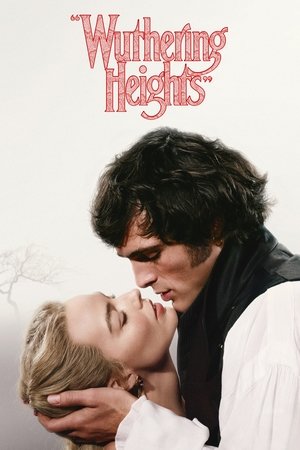
What often gets romanticized is Heathcliff's relentless pursuit, his brooding intensity. What gets glossed over? His outright cruelty. This man is a walking trauma response, inflicting misery on everyone around him, including the woman he purportedly loves and, unforgivably, their children and subsequent generations. Catherine, for her part, is hardly a saint; she's capricious, selfish, and her grand declaration of being Heathcliff (and vice versa) speaks more to an unhealthy enmeshment than genuine partnership. Their 'love' is a storm, yes, but one that leaves nothing but wreckage in its wake. This is not the kind of
FAQ
Is 'Wuthering Heights' considered a romance novel?
While often categorized as a gothic romance, 'Wuthering Heights' is more accurately described as a tragic drama exploring themes of obsession, revenge, and societal class, with its central relationship being profoundly toxic and destructive rather than romantically aspirational.
What makes a romance movie truly great?
A truly great romance movie showcases genuine connection, mutual respect, personal growth within the relationship, and often a touch of humor and vulnerability. It focuses on how characters uplift each other, even through challenges, rather than being solely driven by intense, destructive passion.