Andrea Arnold's Wuthering Heights: A Raw, Unseen Masterpiece
Amidst predictable blockbusters, the 2011 'Wuthering Heights' rips apart romantic clichés, offering a visceral, vital take on Brontë that audiences are still sleeping on.
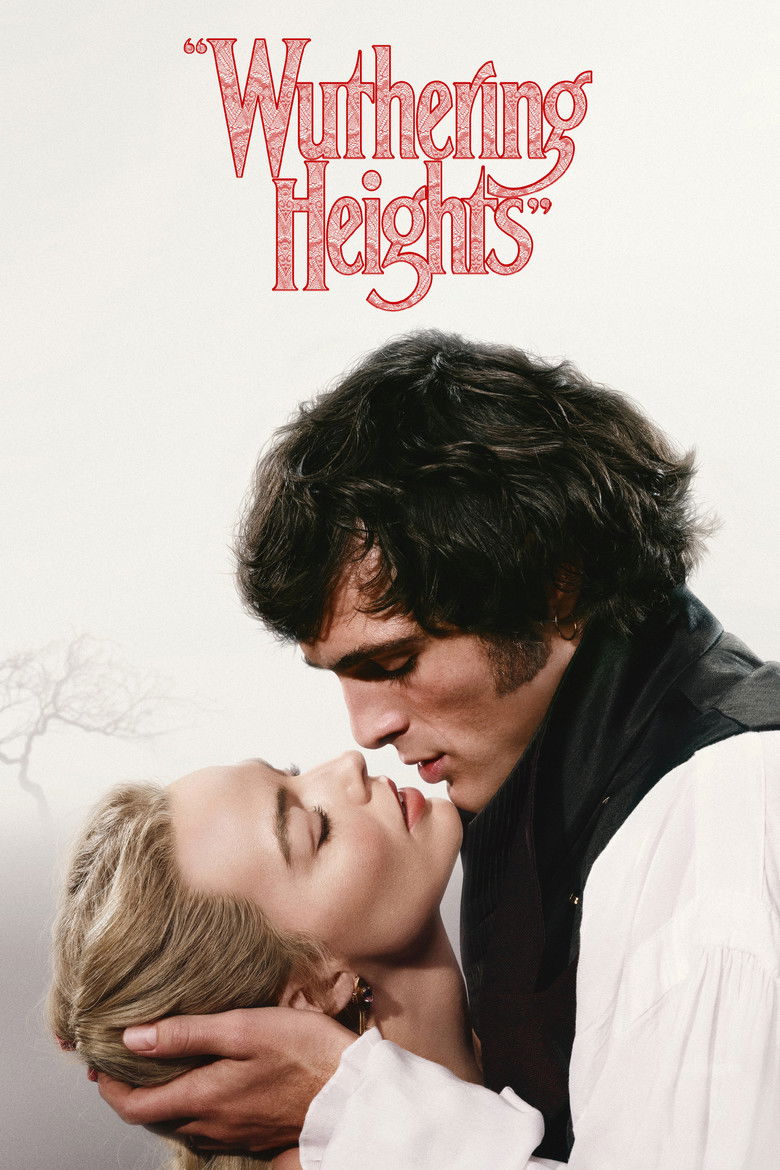
Every so often, a film arrives that dares to be exactly what its source material demands, not what audiences think they want. Andrea Arnold's Wuthering Heights, released in 2011, is precisely such a film. While the trending data might suggest a vague, perhaps underwhelming, reception with its modest 6.352 average vote, I'm here to tell you that this isn't a sign of weakness; it's a badge of honor. This isn't your grandma's swooning period drama, and that's exactly why it deserves a fierce re-evaluation in 2026, especially as we wade through a cinematic landscape often choked by the bland and the expected.
Why Andrea Arnold's Wuthering Heights Demands Your Attention Now
This isn't just another adaptation of Emily Brontë's gothic classic; it's a re-wilding of it. Here’s why it’s a film you need to rediscover:
- Unflinching Realism: Arnold strips away the romantic veneer, presenting the Yorkshire Moors as a character as brutal and unforgiving as Heathcliff himself.
- Visceral Performances: Kaya Scodelario and James Howson deliver raw, untamed portrayals that cut straight to the novel's primal heart, eschewing genteel theatrics.
- Stunning Cinematography: Shot with an intimate, handheld style, the film immerses you in the harsh beauty and claustrophobic intensity of its world.
- Timeless Themes, Modern Resonance: Its exploration of class, obsession, and the destructive power of love feels astonishingly relevant, connecting to today's grittier narratives.
Ripping Up the Romantic Rulebook
When we think of Wuthering Heights, many conjure images of windswept lovers and passionate declarations. Andrea Arnold, however, understands Brontë's novel isn't a romance; it's a savage tragedy, a brutal indictment of social structures and unchecked desires. From the moment young Heathcliff (Solomon Glave) is brought to the Heights, Arnold's film grounds itself in dirt, mud, and animal instinct. The performances, particularly from James Howson as the adult Heathcliff, are not about brooding Byronic charm; they are about feral rage, deep-seated trauma, and the corrosive nature of revenge. There's a stunning, almost documentary-like quality to the early scenes, forcing viewers to confront the sheer, unvarnished hardship of their lives.
The film's visual language is a masterclass in atmospheric storytelling. The stunning, stark cinematography, often shot in natural light, makes the bleakness of the Moors a palpable entity. You can almost feel the biting wind and the damp earth. This isn't a pretty film, nor does it try to be. It's an honest one. It captures the raw, elemental connection between Catherine (Kaya Scodelario) and Heathcliff in a way few other adaptations dare, showing it as a bond born of shared wildness, not societal niceties.
Acknowledging the Discomfort (and Why It's Necessary)
I get it. This isn't a film designed for easy consumption. Many who approached it expecting a lush, emotionally safe period piece likely left feeling alienated, perhaps even repulsed. The deliberate lack of exposition, the emphasis on sensory experience over dialogue, and the refusal to romanticize its central, destructive love affair can be jarring. It's not a film that holds your hand; it demands your full, unflinching attention, much like the challenging, complex narratives explored in works like those highlighted in our piece on When Laughter Meets Tears: Decoding Dark Comedy & Tragedy Films. Some might call it slow, or even boring, but they'd be missing the profound, immersive experience it offers.
Why Arnold's Vision Is the Definitive Take for Our Times
But here's the thing: these perceived 'flaws' are its greatest strengths. In an era saturated with cinematic comfort food, predictable plots, and polished, focus-group-tested content, Arnold's Wuthering Heights stands as a defiant counterpoint. It's a film that trusts its audience to engage with discomfort, to appreciate the power of silence, and to find beauty in the brutal truth. Its raw, unvarnished aesthetic feels incredibly modern, resonating with the current appetite for gritty realism and anti-hero narratives that challenge traditional notions of morality and heroism. It’s a film that doesn't just adapt a classic; it reinvents it, making it feel startlingly new and vital. It belongs on any list of critically acclaimed gems to stream now for those seeking genuine cinematic impact.
Editor's Verdict
Andrea Arnold's Wuthering Heights is a stark, uncompromising vision that rips away romantic clichés, revealing the primal heart of Brontë's novel. It's not pretty, but it's utterly vital.
Your March 2026 Mandate: Seek the Uncomfortable Truth
So, if you're tired of the same old cinematic formulas, the endless sequels, and the safe, sanitized stories, turn off whatever generic fare is clogging your streaming queue. Go watch Andrea Arnold's Wuthering Heights. Don't expect a sweeping romance; expect a guttural, elemental experience that will stick with you long after the credits roll. It’s a powerful, underrated film that proves true artistry isn't about pleasing everyone, but about speaking an uncompromising truth.
FAQ
Which 'Wuthering Heights' adaptation is Andrea Arnold's?
Andrea Arnold's adaptation of 'Wuthering Heights' was released in 2011. It is known for its stark realism, naturalistic cinematography, and unconventional approach to the classic novel.
Why is Andrea Arnold's 'Wuthering Heights' considered a contrarian or challenging film?
Arnold's version eschews the traditional romanticism often associated with the novel, focusing instead on the brutal, primal, and often uncomfortable aspects of the characters and their environment. This departure from conventional period drama expectations makes it challenging for some viewers.
Who played Heathcliff and Catherine in the 2011 'Wuthering Heights'?
James Howson played the adult Heathcliff, marking the first time a Black actor portrayed the character in a major film adaptation. Kaya Scodelario starred as Catherine Earnshaw.