Hidden Universes: Unearthing Sci-Fi's Underappreciated Classics
Forget the future, let's explore the past! Dive into three visionary, under-the-radar sci-fi movies from cinema's golden age that still captivate and provoke thought today.
In the vast galaxy of science fiction cinema, we often fixate on the dazzling CGI of modern blockbusters or the gritty realism of recent dystopian futures. But what if I told you some of the genre's most profound, visionary, and utterly compelling stories were told nearly a century ago, long before special effects budgets ballooned? Today, March 2, 2026, let's journey back in time to unearth some truly underappreciated sci-fi movies that continue to resonate, proving that groundbreaking ideas, not just cutting-edge tech, define cinematic excellence. These hidden gems, often overshadowed by their more famous contemporaries or lost to time, offer a fascinating glimpse into the nascent stages of science fiction storytelling on screen, daring to ask big questions with limited means.
The Roots of Tomorrow: Why Early Sci-Fi Still Matters
Before Star Wars or Blade Runner, before even 2001: A Space Odyssey, early filmmakers were already pushing the boundaries of imagination. These pioneering works weren't just about special effects; they were about philosophical inquiry, societal commentary, and the sheer wonder of scientific possibility (and peril). They tackled themes that remain central to science fiction today: humanity's place in the cosmos, the ethics of scientific advancement, and the very nature of identity and transformation. By revisiting these foundational films, we gain a deeper appreciation for the genre's evolution and the timeless power of storytelling. They demonstrate that the true heart of science fiction lies in its ideas, not just its spectacle.
Woman in the Moon: A Lunar Odyssey Ahead of Its Time
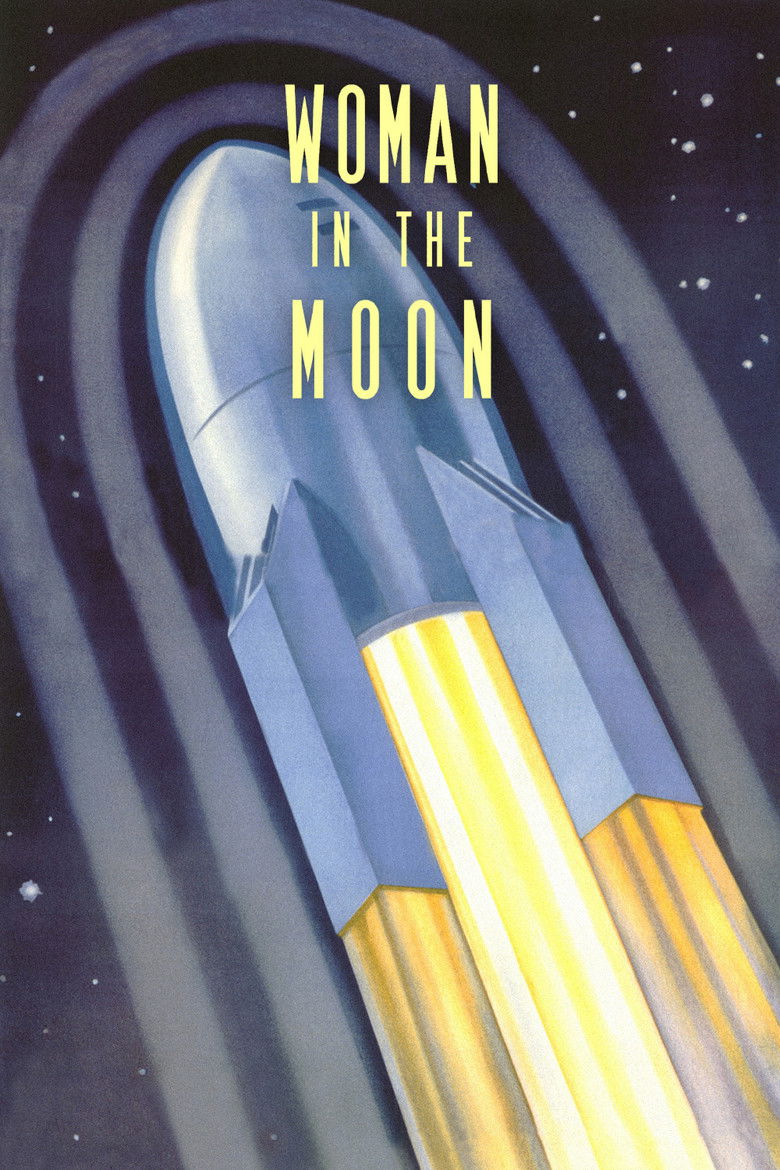
Let's kick things off with a true marvel: Fritz Lang's 1929 silent epic, Woman in the Moon. Often overshadowed by his more famous Metropolis, this film is a colossal achievement in early science fiction, essentially inventing many tropes we now take for granted. Lang, ever the visionary, consulted with real-life rocket scientists to craft a remarkably accurate (for its time) depiction of space travel. This isn't just a fantasy; it's a meticulously planned journey to the lunar surface in search of gold, driven by a mix of scientific ambition and human greed. The film gave us the first cinematic countdown to a rocket launch, a dramatic device still used today! Its visual storytelling is breathtaking, showing detailed spaceship interiors and lunar landscapes that were decades ahead of their time. Beyond the technical prowess, Woman in the Moon delves into themes of scientific integrity, international espionage, and the inherent dangers of exploration, making it a powerful and surprisingly relevant piece of classic science fiction that deserves to be seen by every sci-fi enthusiast.
Island of Lost Souls: The Horrors of Hubris and Hybridization
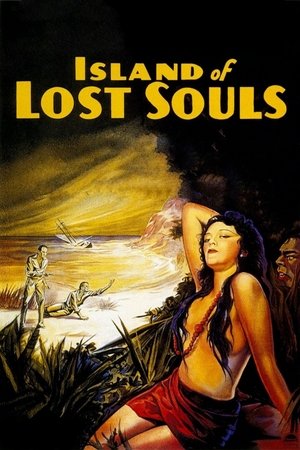
Next, we plunge into the unsettling depths of 1932's Island of Lost Souls, a pre-Code horror-sci-fi hybrid that adapts H.G. Wells' chilling novel The Island of Doctor Moreau. While often categorized as horror, its core premise is pure, disturbing science fiction: a mad scientist, Dr. Moreau (portrayed with terrifying brilliance by Charles Laughton), attempts to evolve animals into humans through vivisection and crude surgery. The result is a grotesque society of