The Unheard Echo: Why 'The Voice of Hind Rajab' Is 2026's True Oscar Masterpiece
Forget the glitzy blockbusters; this documentary’s raw power and piercing insight into a global crisis make it a vital, tragically overlooked triumph that demanded Academy recognition.
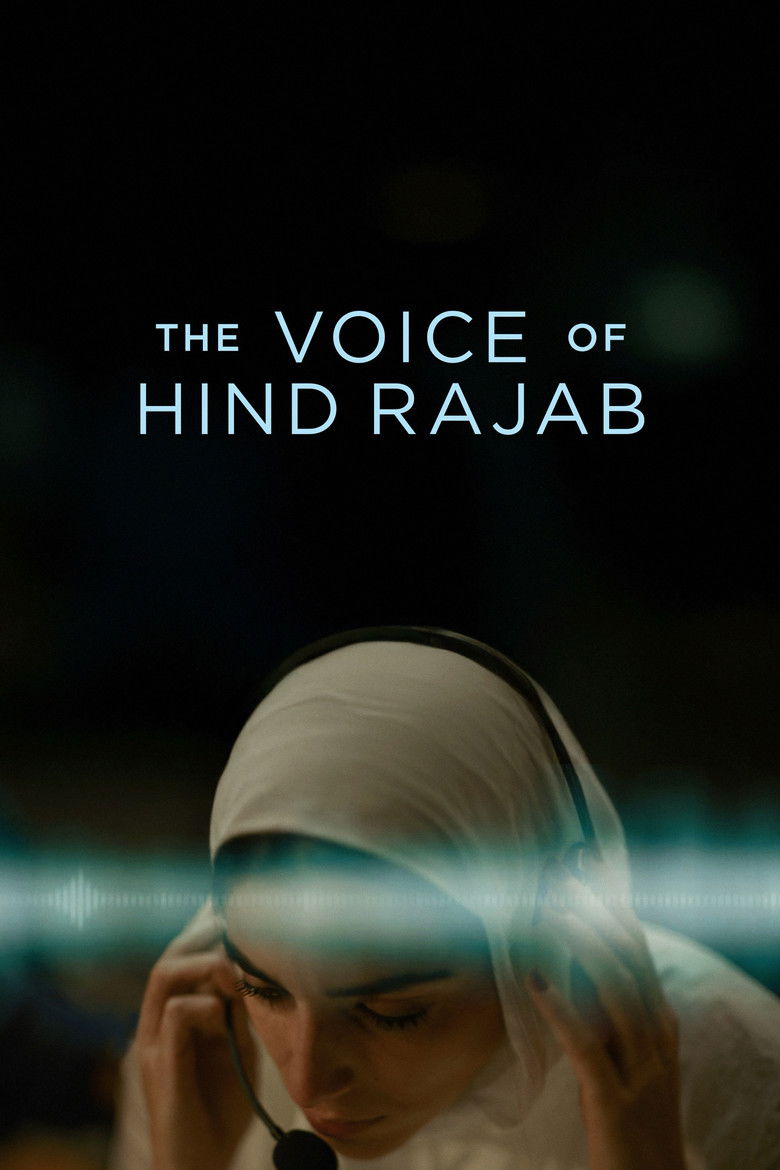
The Academy Awards are a spectacle, a yearly ritual of self-congratulation that often celebrates the grand, the glossy, and the comfortably familiar. But amidst the cinematic fireworks and red-carpet parades, the true gems—the films that dare to confront, to challenge, to genuinely move—frequently get drowned out. While the industry patted itself on the back for another season of safe bets and predictable narratives, a film of immense power, The Voice of Hind Rajab, landed its rightful Oscar nomination, yet remains tragically unseen by the masses. This isn't just an oversight; it's a cinematic injustice, a testament to how often the most vital stories are left in the shadows. This March 2026, it's time to drag this masterpiece into the light it so desperately deserves.
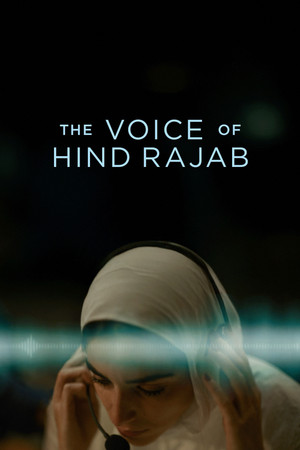
Unearthing Oscar's Tragic Overlook: Why The Voice of Hind Rajab Demands Your Attention
- The Unvarnished Narrative: A gut-wrenching, real-time account of a child's desperate plea for survival, presented without sensationalism.
- Beyond Reporting: Filmmaking that transcends mere journalism, crafting profound empathy and an unforgettable emotional experience.
- Searing Relevance: Its urgent contribution to the global dialogue on conflict, humanity, and the cost of silence.
- A Critique of Convention: How the film exposes the limitations of mainstream Oscar discourse, prioritizing spectacle over substance.
The Human Cost, Unflinchingly Told
The Voice of Hind Rajab is not merely a documentary; it is an auditory and visual testament to unimaginable human suffering, centered on a child’s final, desperate plea for help. The film plunges you directly into the horrifying reality, largely through the harrowing audio recordings of six-year-old Hind Rajab, trapped in a car with her dead family after an attack. This isn't a story about conflict; it is conflict, experienced through the terrified, innocent voice of a child. Director Yousef Khaldi makes the courageous choice to let Hind's voice, and the subsequent, futile attempts to rescue her, carry the immense emotional weight. There are no talking heads, no grand pronouncements; just the raw, agonizing immediacy of a child's terror and the agonizing struggle of those trying to reach her. It’s a gut punch, not a gentle prod. This specificity, this refusal to distance the viewer, is what elevates it beyond mere news footage into a profound cinematic experience. It forces engagement, demanding that we listen, truly listen, to a voice that the world too often silences.
The film masterfully builds suspense and empathy by focusing on the minute-by-minute unfolding of the event. The fragmented phone calls, the desperate pleas, the sound of gunfire—it all creates a claustrophobic, suffocating atmosphere that mirrors Hind’s own entrapment. You feel the ticking clock, the dwindling hope, the crushing weight of helplessness. This is storytelling at its most elemental and most powerful, bypassing intellectualization to strike directly at the heart. It’s a stark reminder of the individual lives caught in geopolitical crossfires, making the abstract horror painfully concrete. This is the kind of cinema that should not only be celebrated but widely seen, a stark contrast to many of the more palatable, yet ultimately less impactful, films that often dominate awards season buzz. For more raw, essential viewing, check out our Underrated Films: Our Brutal 2026 Scorecard for other overlooked masterpieces.
A Masterclass in Documentary Craft: Sound as a Weapon
What truly sets The Voice of Hind Rajab apart is its audacious and devastating use of sound. In an era where visual spectacle often overshadows auditory nuance, Khaldi’s direction makes sound the primary vehicle for narrative and emotion. The film strips away extraneous visual information, forcing the audience to rely on the muffled, distorted audio of Hind’s voice, the crackle of radio static, and the distant, yet terrifyingly real, sounds of a warzone. This isn't a gimmick; it's a deliberate artistic choice that immerses the viewer in a way traditional documentary filmmaking rarely achieves. The lack of clear visuals heightens the sense of helplessness and fear, placing the audience directly into the shoes of the rescue workers, straining to understand, desperate to help, yet agonizingly distant.
The editing is equally precise, cutting between the sparse, often static, visuals that accompany the audio and the stark black screens that punctuate the calls. This creates a rhythm of agonizing anticipation and devastating realization. Each pause, each moment of silence, is loaded with dread. It’s a testament to the power of suggestion and the human capacity to fill in the blanks, to imagine the horror that isn't explicitly shown. While other documentaries might rely on sweeping scores or dramatic reenactments, Khaldi opts for a stark realism that leaves an indelible mark. It’s a raw, unfiltered piece of filmmaking that proves true impact doesn't require a Hollywood budget or a star-studded cast, only a courageous vision and an unwavering commitment to truth.
Echoes Beyond the Screen: Cultural Resonance and a Call to Conscience
In March 2026, as global conflicts continue to dominate headlines and humanitarian crises escalate, The Voice of Hind Rajab serves as an urgent, necessary cultural artifact. It's a film that refuses to let us look away from the human cost of violence, transforming abstract statistics into a singular, unforgettable tragedy. Its Oscar nomination, particularly in a year often criticized for its insularity, was a rare moment of the Academy acknowledging art that truly matters beyond its entertainment value. This film isn't just about Hind; it's a powerful indictment of a world that frequently fails its most vulnerable. It forces us to confront uncomfortable questions about responsibility, intervention, and the selective empathy of global powers.
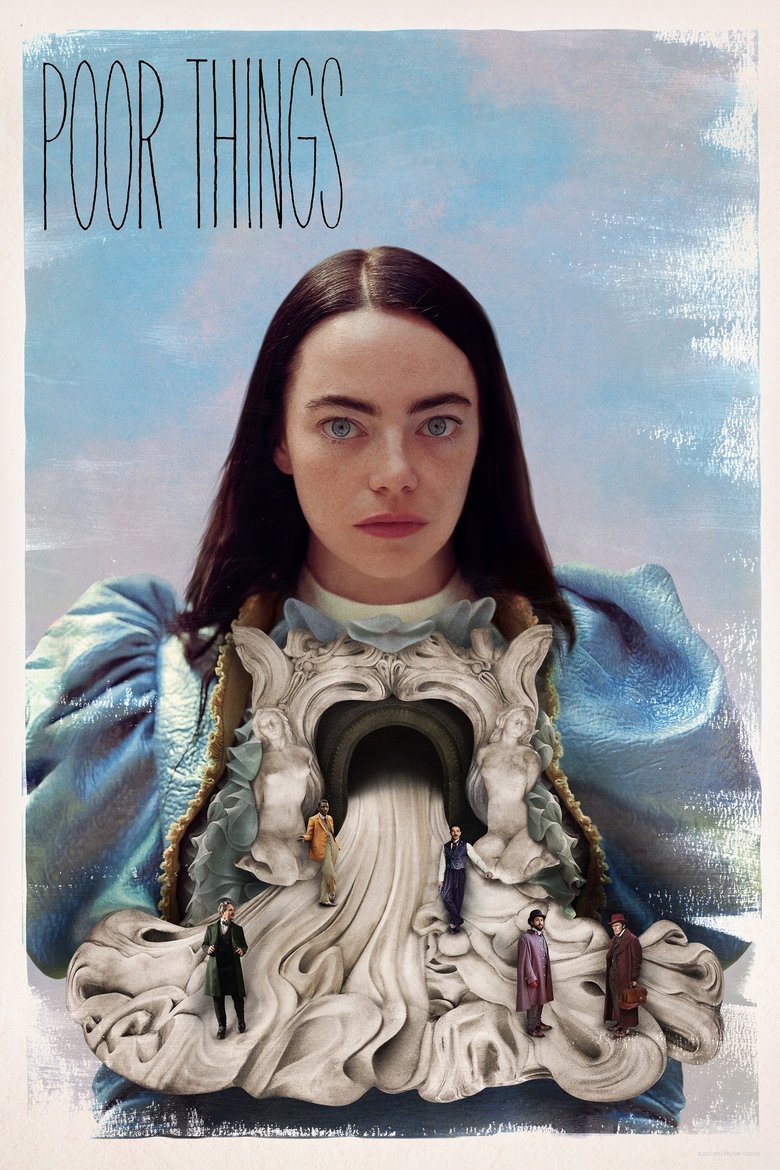
This isn't a film designed for comfort; it's designed for consciousness. Its very existence is an act of defiance, a demand for remembrance. In an age of information overload, where atrocities can become background noise, The Voice of Hind Rajab cuts through the static, reminding us that every casualty is a life, every voice a universe. It stands in stark contrast to films like Poor Things, which, for all its visual splendor and critical darling status, often felt like an exercise in aesthetic provocation rather than genuine emotional depth. (See our take: Lit-Pop Hot Take: Why 'Poor Things' is an Overrated Spectacle). While one dazzled with its artifice, the other shattered with its truth. The cultural resonance of Hind Rajab will far outlast the fleeting buzz of more celebrated, yet ultimately less significant, cinematic endeavors.
Editor's Verdict
Rating: 9/10
Verdict: The Voice of Hind Rajab is a brutally essential, masterfully crafted documentary that, despite its Oscar nod, remains scandalously under-seen. It's a cinematic gut-punch, a testament to the power of a single voice, and a necessary challenge to global complacency. Seek it out, absorb its truth, and let its echoes reverberate.
Like this review? Let us know!
FAQ
Who was Hind Rajab?
Hind Rajab was a six-year-old Palestinian girl who became the subject of global attention after her desperate phone calls for rescue from a car under fire, surrounded by her deceased family, were widely shared, highlighting the devastating human cost of conflict.
What makes 'The Voice of Hind Rajab' an important film?
The film is critical for its raw, unflinching portrayal of a child's suffering during wartime, using authentic audio recordings to immerse viewers in the tragic reality. It serves as a powerful testament to the individual human stories often lost in geopolitical narratives and challenges audiences to confront uncomfortable truths.
Was 'The Voice of Hind Rajab' actually Oscar-nominated?
Yes, 'The Voice of Hind Rajab' garnered an Oscar nomination for Best Documentary Short, recognizing its profound impact and exceptional storytelling amidst a competitive field of powerful non-fiction films.