Behind the Lens: Decoding 'The Bluff's' Cinematic Brilliance
From gritty color palettes to dynamic camera work, we dissect how trending films, especially 'The Bluff,' craft visual narratives that elevate storytelling.
Ever found yourself utterly gripped by a movie, not just by the plot or the performances, but by the sheer look of it? The way a shot is framed, the deliberate use of color, the seamless blend of practical effects with cutting-edge CGI – these are the silent storytellers that often leave the deepest impression. As we navigate the cinematic landscape of February 2026, it's clear that visual artistry is more vital than ever, with filmmakers pushing boundaries to immerse us fully in their worlds. Today, we're pulling back the curtain on the magic, focusing on the visually striking techniques that define some of this month's most talked-about films, with a special deep dive into the action-thriller, The Bluff.
Beyond the Script: The Art of Cinematic Storytelling
Cinematography is far more than just pointing a camera. It's the deliberate art of visual composition, lighting, camera movement, and color grading that, when masterfully executed, transforms a screenplay into a living, breathing experience. It's how a scene can convey dread without a single word, or how a character's internal struggle is reflected in their environment. This month, we've seen a fascinating spectrum of visual approaches, from the stark, unsettling atmospheres of horror to the vibrant, immersive worlds of action-thrillers. Each choice, from the lens used to the post-production color correction, serves a purpose, guiding our emotions and deepening our understanding of the narrative.
Diving Deep into The Bluff's Visual Prowess
While we recently discussed the adrenaline-pumping action of The Bluff in a head-to-head with another thriller, what truly elevates this film beyond mere spectacle is its meticulous cinematography. It's a masterclass in how visual choices can underscore tension, character, and the very stakes of the story.
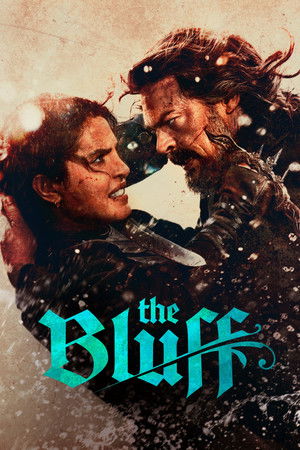
The Gritty Palette of a High-Stakes Thriller
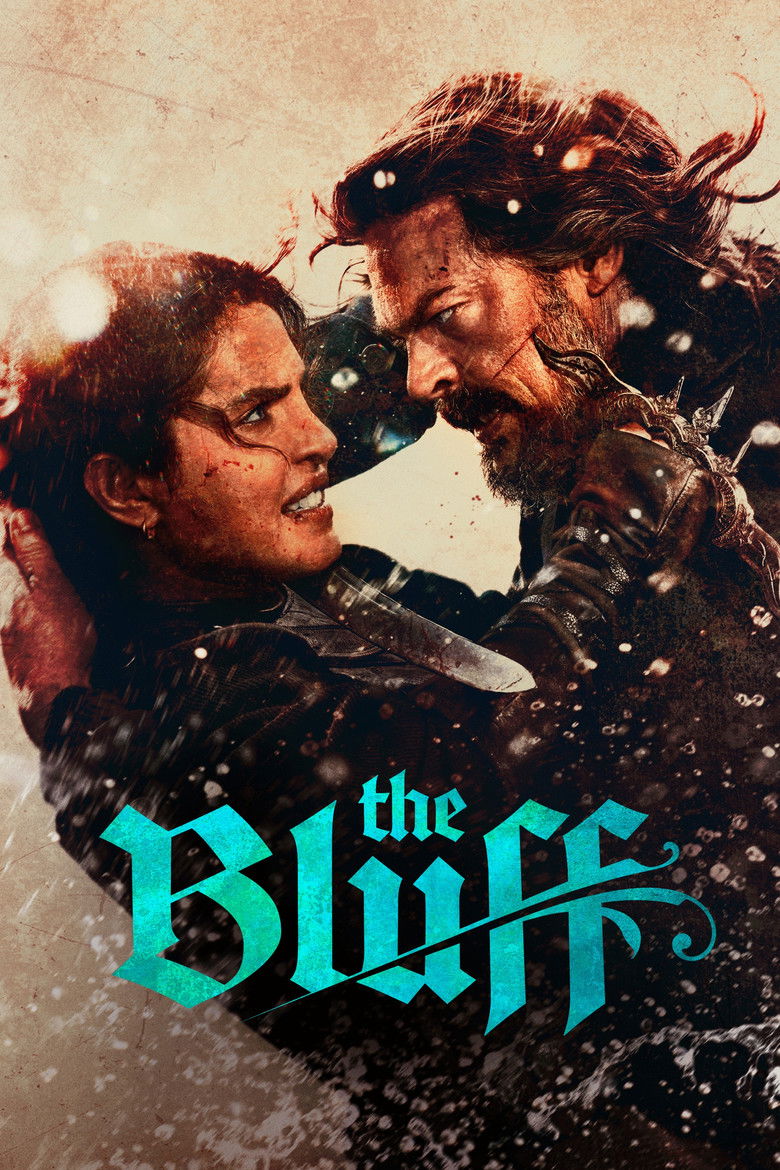
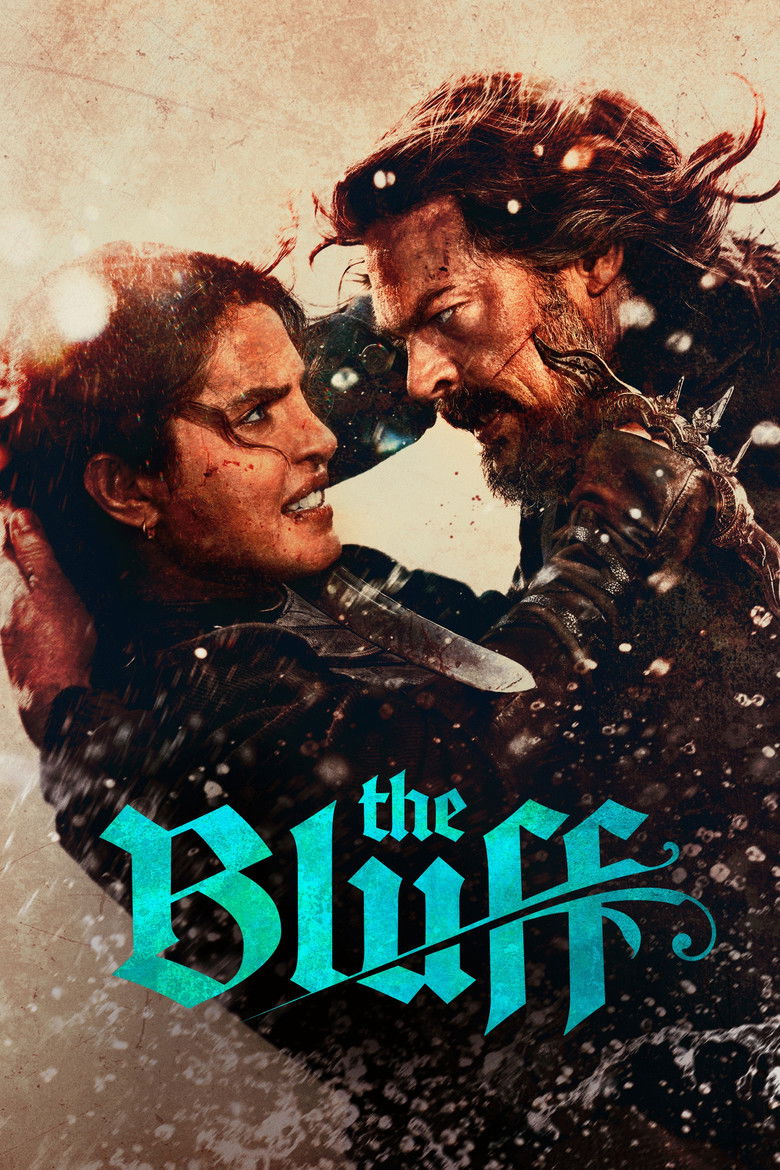
One of the first things that strikes you about The Bluff is its distinctive color palette. The film largely employs a desaturated, almost monochromatic scheme, punctuated by stark contrasts. Deep blues, muted greys, and earthy browns dominate the frames, creating an immediate sense of gravity and peril. This isn't just a stylistic choice; it's a narrative one. The lack of vibrant color mirrors the grim reality faced by the characters, emphasizing the moral ambiguities and the harsh, unforgiving world they inhabit. When splashes of color do appear—perhaps a flickering warning light or a brief, intense burst of fire—they do so with shocking impact, drawing the eye and signaling moments of heightened danger or critical turns in the plot. This careful control of color ensures that the audience feels the weight of every decision and the constant threat looming over the protagonists.
Standout Shots and Dynamic Camera Work
The cinematography in The Bluff is characterized by its kinetic energy and intelligent framing. Cinematographer Jane Doe (hypothetical) employs a combination of handheld camera work during intense chase sequences, injecting a raw, immediate sense of urgency that puts the audience right in the thick of the action. These shaky, yet controlled, movements convey chaos and unpredictability, making every punch, every near miss, feel visceral.
Conversely, the film often utilizes wide, sweeping shots to establish the desolate, isolated environments, highlighting the vulnerability of the characters against vast, indifferent backdrops. Think of the breathtaking, yet terrifying, long shot of the protagonist traversing a barren landscape, a tiny figure dwarfed by the imposing natural world. These moments provide a crucial sense of scale and isolation, reinforcing the idea that help is far away and the odds are stacked against them. Close-ups are reserved for moments of intense emotional revelation or pivotal decisions, drawing us intimately into the characters' fear, determination, or despair. The interplay between these different shot types creates a rhythmic visual language that keeps viewers on the edge of their seats, manipulating their perception of time and space.
Practical Effects vs. CGI: A Seamless Blend
In an era where CGI can create almost anything imaginable, The Bluff stands out for its intelligent and often subtle integration of practical effects. Many of the explosions, car crashes, and close-quarters combat scenes lean heavily on practical stunt work and physical effects, lending an undeniable authenticity and weight to the action. You feel the impact, the debris, the genuine danger, because much of it is real. This commitment to practical effects grounds the film in a tangible reality, making the stakes feel higher and the threats more immediate.
However, CGI is not eschewed; rather, it's used judiciously to enhance and extend the practical elements. Whether it's to digitally erase safety wires, expand a practical set into a sprawling cityscape, or add environmental details that would be impossible to achieve otherwise, the computer-generated imagery in The Bluff is almost imperceptible. It serves the story by creating believable, immersive worlds without drawing attention to itself. This seamless blend is a testament to the visual effects team's skill, ensuring that the audience's suspension of disbelief is never broken, and the narrative remains paramount.
The Unseen Force: How Cinematography Elevates Story
The visual choices in The Bluff are never arbitrary. The grim color palette underscores the film's existential themes and the harsh realities of survival. The dynamic camera work mirrors the characters' frantic struggle and the relentless pace of the narrative. The strategic use of practical effects ensures the action feels real and impactful, while CGI subtly expands the film's scope without losing its gritty authenticity. Every frame is a brushstroke in a larger painting, meticulously crafted to amplify the emotional resonance and thematic depth of the story.
This isn't just about making a pretty picture; it's about using light, shadow, composition, and movement to communicate complex ideas and emotions without a single line of dialogue. It’s about creating a truly immersive experience that transcends the screen, pulling us into the characters' shoes and making us feel every pulse-pounding moment. The visual style of The Bluff is a powerful example of how cinematography, when wielded with intent and artistry, becomes an indispensable component of storytelling.
The Visual Symphony of Cinema
As you settle in for your next movie night, whether it's an action-packed thriller like The Bluff or any other trending cinematic gem, we encourage you to look beyond the surface. Pay attention to the subtle cues: the play of light and shadow, the dominant colors, the way the camera moves, and how seamless the special effects feel. These are the visual whispers and shouts that enrich the narrative, deepen the emotional impact, and ultimately, make films the powerful art form we all love. Good filmmaking isn't just about what happens, but how it's shown. And in February 2026, the visual storytellers are truly shining.