Scream 7: The Box Office Ghostface That Couldn't Scare Up a Dollar
This weekend's numbers don't lie: the latest 'Scream' installment is a creative and financial casualty, proving franchise fatigue is real when the scares aren't.
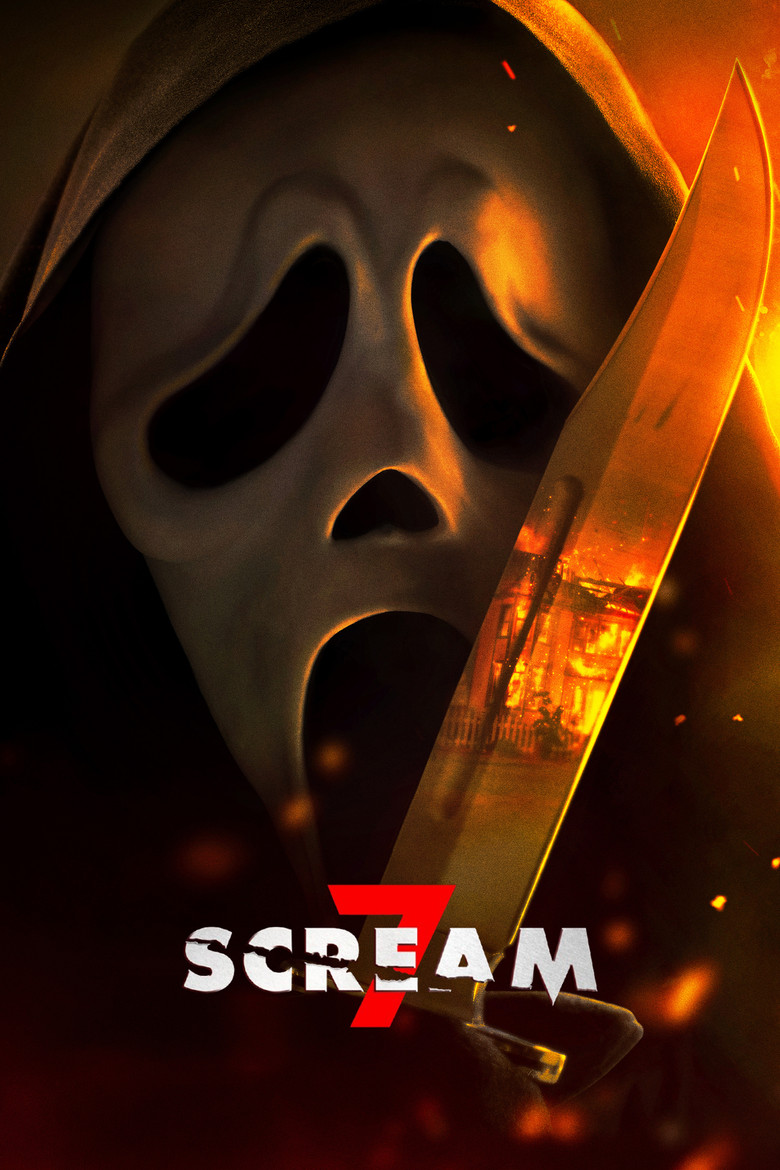
The numbers are in, and the verdict is brutal: Scream 7 didn't just underperform this box office weekend, it delivered a cinematic face-plant so spectacular, Ghostface himself would be embarrassed. Forget the usual post-mortem chatter about "audience tastes shifting" or "tough competition"; this wasn't a subtle decline, it was a creative catastrophe masquerading as a horror film, and audiences saw right through the mask.
Why Did Scream 7 Bomb So Hard?
This weekend's box office tells a chilling tale, and not in a good way. Here's why Scream 7 is dead on arrival:
- Critical Reception Massacre: A pathetic 5.856 average vote isn't just low for a Scream film; it's practically a death knell for a franchise built on meta-commentary and sharp writing.
- Audience Apathy: Despite pre-release hype, viewers simply didn't turn up, signaling a profound fatigue with uninspired legacy sequels.
- Creative Bankruptcy: The film offered nothing new, resorting to a formulaic plot and flat characters that even a fresh coat of fake blood couldn't revive.
- Ghostface Loses Its Edge: The once-iconic killer felt less like a menacing force and more like a tired mascot, failing to generate genuine suspense or terror.
Let's be blunt: the idea that any Scream installment could limp into theaters with a 5.856 audience score and still be considered a "win" is a fantasy. This isn't just about disappointing box office receipts; it's about a franchise that once defined an era of self-aware horror now struggling to even parody itself. The original Scream was a razor-sharp deconstruction of slasher tropes, a masterclass in tension and wit. Scream 7, by contrast, felt like a forced scream queen slumber party where no one actually wanted to be there.
The apologists will inevitably pivot to "horror fatigue." Please. This isn't fatigue; it's a discerning audience. While some horror films may falter, truly innovative and well-executed thrillers continue to thrive. Look at the sustained interest in intelligent suspense. Audiences are hungry for genuine thrills and compelling narratives, not rehashed jumpscares and predictable plot twists. This weekend proved that simply trotting out a familiar masked killer isn't enough anymore. If the writing isn't on point, the scares are hollow. We've seen a consistent demand for films that actually think about their scares, as explored in discussions like Decoding the Grip: Why These Anticipated Thrillers Will Keep You on Edge.
Some might argue that the behind-the-scenes drama and cast changes hurt the film. While internal turmoil can certainly impact production, a truly strong script and vision can often overcome such hurdles. The problem with Scream 7 wasn't just external; it was fundamental. The film lacked the narrative defibrillator needed to jumpstart a tired premise. It felt less like a love letter to the franchise and more like a ransom note, demanding our attention without earning it. This isn't just a bad Scream movie; it's a textbook example of a franchise sequel that failed to understand its own appeal.
The real lesson from this weekend's dismal performance of Scream 7 is that audiences are smarter than studios give them credit for. They can distinguish between a heartfelt homage and a cynical cash grab. The era of brand recognition alone guaranteeing success is over. Originality, sharp writing, and genuinely unsettling scares are what drive ticket sales and critical acclaim. If studios want to know what audiences really want, they should stop digging up old ghosts and start investing in fresh narratives and bold creative visions, perhaps even embracing the nuanced genre blending seen in articles like When Laughter Meets Tears: Decoding Dark Comedy & Tragedy Films where genre expectations are subverted. If you agree, give this post a like!
FAQ
Why did Scream 7 perform poorly at the box office?
Scream 7 suffered from a combination of negative critical reception (indicated by a low audience score), perceived creative bankruptcy, and audience fatigue with uninspired legacy sequels, leading to dismal ticket sales.
What was the critical consensus for Scream 7?
While official critical reviews are still emerging, the low audience vote average of 5.856 suggests a broadly negative consensus, indicating the film failed to impress viewers or critics.
Does Scream 7's performance indicate the end for the franchise?
While one poor performance doesn't necessarily end a franchise, Scream 7's significant underperformance and low critical reception signals that the series needs a radical creative overhaul to regain audience trust and relevance.