Ratatouille: Why Pixar's Culinary Masterpiece Still Satisfies
Forget fleeting trends; Brad Bird's animated triumph remains a potent blend of heart, humor, and a surprisingly sharp take on art and ambition.
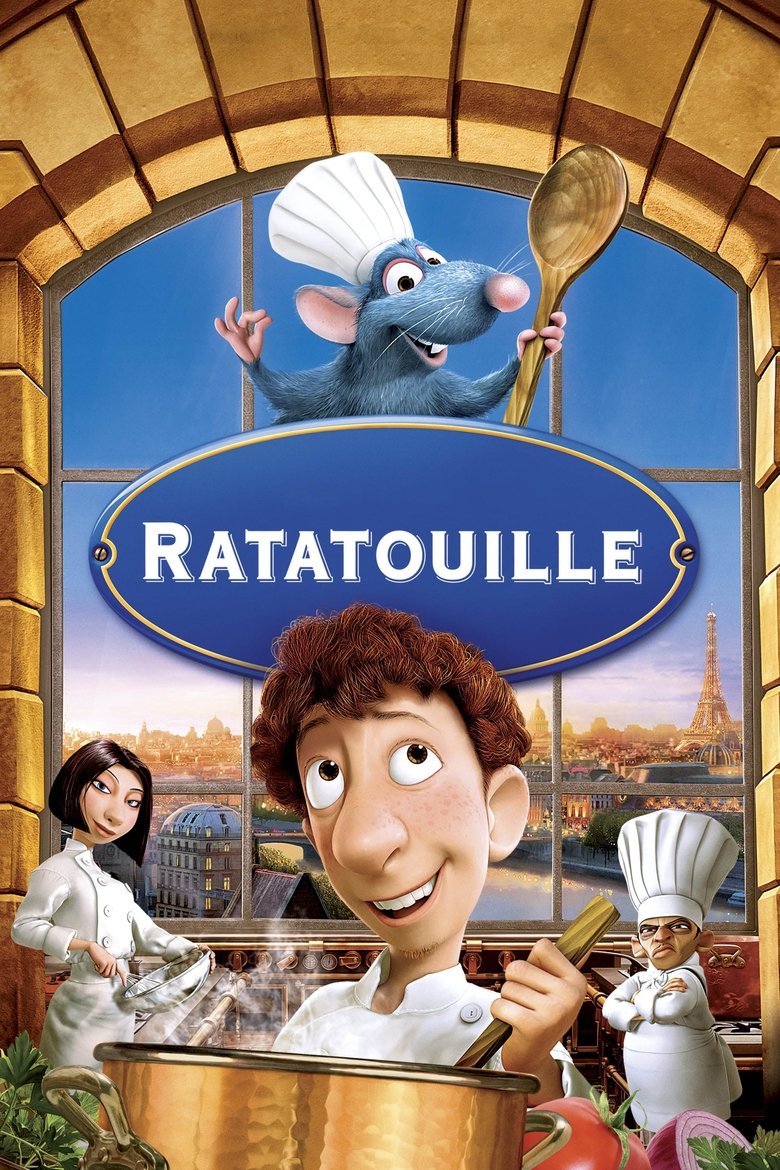
In an era of disposable content and endless reboots, the very concept of a "feel-good movie" often conjures images of saccharine predictability or bland escapism. But what if a film could be genuinely uplifting, profoundly witty, and visually stunning, all while delivering a surprisingly sophisticated commentary on art, ambition, and the true meaning of criticism? Enter Ratatouille, Pixar's 2007 magnum opus, a film that doesn't just aim to make you smile but challenges you to reconsider your palate, both literally and figuratively. It's not merely a comfort watch; it's a cinematic statement, a masterclass in animated storytelling that, even seventeen years later, continues to taste as fresh and impactful as a perfectly prepared dish.
Why Ratatouille Still Serves Up Joy
Ratatouille isn't just another animated film; it's a meticulously crafted experience that transcends its genre. Our deep dive will reveal: * How the film's central theme of "Anyone Can Cook" cleverly dismantles elitism and celebrates true passion. * The unparalleled visual artistry that turns food preparation into a sensuous, emotional journey. * The unforgettable voice performances that elevate complex characters and deliver timeless humor. * Its profound commentary on art criticism and the courage to create, making it far more than a simple underdog story.
The Thematic Depth: "Anyone Can Cook" and Defying Expectations
At its core, Ratatouille is a defiant roar against the gatekeepers of taste and talent. Chef Auguste Gusteau's mantra, "Anyone Can Cook," is not just a whimsical phrase; it's the ideological bedrock of the entire narrative, a powerful rejection of the notion that genius is reserved for a privileged few. Remy, our protagonist, is a rat. A rodent, the antithesis of everything clean, sophisticated, and welcome in a professional kitchen. This isn't just a quirky premise; it's a brilliant narrative device that magnifies the film's central thesis. If a rat can be a master chef, then truly, anyone can cook – or, more broadly, anyone can create, innovate, and achieve greatness, regardless of their background, species, or perceived limitations.
Director Brad Bird, known for injecting intellectual rigor into his animated spectacles (see The Incredibles for another example of his thematic prowess), doesn't shy away from the inherent absurdity of Remy's dream. Instead, he leans into it, using the very prejudices Remy faces to underscore the film's message. The tension between Remy's refined palate and his family's more pragmatic, dumpster-diving instincts is a poignant allegory for the artist's struggle: balancing passion with practicality, vision with convention. It's a universal theme, rendered with exquisite specificity, that resonates deeply with anyone who's ever felt like an outsider pursuing an unlikely dream.
Animation as Culinary Art: A Feast for the Senses
Few films, animated or live-action, have ever made food look as utterly delectable, as alive, as Ratatouille. This isn't just about rendering realistic textures; it's about conveying the experience of taste. Think of the scene where Remy first combines cheese with a grape, the vibrant bursts of color and abstract shapes that convey pure gastronomic ecstasy. Or the meticulous detail in every chop, dice, and sizzle in Gusteau's kitchen. Pixar’s animators didn't just animate cooking; they animated passion for cooking.
The film's visual language extends beyond the kitchen, painting a romanticized yet grounded portrait of Paris. The cobblestone streets, the glowing Eiffel Tower, the bustling markets – every frame is imbued with a warmth and character that perfectly complements the culinary theme. This immersive visual style is crucial to the film's feel-good nature. It transports you, not just to a fantastical world, but to a heightened reality where the pursuit of excellence and beauty is paramount. Unlike the often sterile environments of some contemporary animated films, Ratatouille's world feels lived-in, fragrant, and inviting. It's a testament to how animation, in the hands of masters, can evoke sensory experiences more powerfully than live-action might, by focusing on the essence rather than just the literal.
Character Dynamics and Unforgettable Voice Performances
The heart of Ratatouille lies in its ensemble of characters, brought to life by a truly inspired voice cast. Patton Oswalt as Remy perfectly captures the rat's earnest ambition and occasional exasperation, lending him an intellectual curiosity that makes his culinary genius utterly believable. His unlikely partnership with the hapless human garbage boy, Linguini (voiced by Lou Romano), is a comedic and emotional tour de force. Their physical comedy – Remy controlling Linguini's movements like a puppet – is executed with such finesse and timing that it feels fresh with every viewing.
However, the real standout, and arguably the anchor of the film's profound message, is Peter O'Toole's magnificent portrayal of Anton Ego, the notoriously acerbic food critic. O'Toole imbues Ego with a gravitas and melancholic wit that makes him far more than a simple villain. He's a towering figure of intimidation, whose pronouncements can make or break careers. His voice is like velvet wrapped around a blade, making his transformation by Remy's dish all the more impactful. His monologue, delivered with an almost Shakespearean grandeur, is one of the most powerful reflections on art and criticism ever put to film, animated or otherwise. It elevates the entire narrative, proving that feel-good doesn't mean simplistic.
Critique, Creativity, and the Critic's Redemption
Ratatouille isn't just a film about food; it's a film about critics and the act of creation. Anton Ego's arc is nothing short of brilliant. Initially a caricature of the jaded, unpleasable critic, he eventually finds redemption not through softening his standards, but through rediscovering the pure joy that art (or in this case, food) can bring. His final, utterly sincere review – declaring Gusteau's, now Remy's, cooking "nothing less than a revelation" – is a powerful validation of the film's central message.
Ego’s transformation isn't about being nice; it's about being open. He doesn't suddenly love everything; he loves something truly exceptional, regardless of its unexpected source. This nuanced portrayal sets Ratatouille apart from many other "underdog" stories. It acknowledges the vital, if often harsh, role of criticism, but also champions the pure, unadulterated passion of the creator. This intellectual depth, wrapped in a visually stunning, frequently hilarious package, is precisely what makes it an enduring classic. It's a film that demands respect not just for its craft, but for its courage to tackle complex ideas with such elegant simplicity.
While other culinary films like Chef explore similar themes of passion and rediscovery, Ratatouille's unique premise and the boundless creativity of animation allow it to push these ideas into more fantastical, yet equally poignant, realms. It shares with beloved comfort films like The Princess Bride a timeless charm, an infectious wit, and an undeniable rewatchability, but with a thematic backbone that’s arguably even more robust. This film belongs squarely in the pantheon of cinema's truly enduring classics.
Editor's Verdict
Ratatouille is not merely a feel-good movie; it's an animated masterpiece that serves up profound themes with unparalleled visual artistry and wit. It's a timeless testament to passion, perseverance, and the unexpected sources of genius that will delight and inspire for generations.
FAQ
What is the main message of Ratatouille?
The main message of Ratatouille is that talent and passion can come from anywhere, regardless of one's background or perceived limitations. It challenges elitism and champions the idea that 'Anyone Can Cook'.
Who directed Ratatouille?
Ratatouille was directed by Brad Bird, known for his work on other acclaimed animated films such as The Iron Giant and The Incredibles.
Is Ratatouille suitable for all ages?
Yes, Ratatouille is widely considered suitable for all ages. It offers engaging animation and humor for children, alongside sophisticated themes and witty dialogue that resonate with adult audiences.