Lit-Pop Hot Take: Why 'Poor Things' is an Overrated Spectacle
Despite Oscar gold and critical adulation, Yorgos Lanthimos's latest is a beautifully crafted emperor's new clothes, mistaking visual shock for genuine depth.
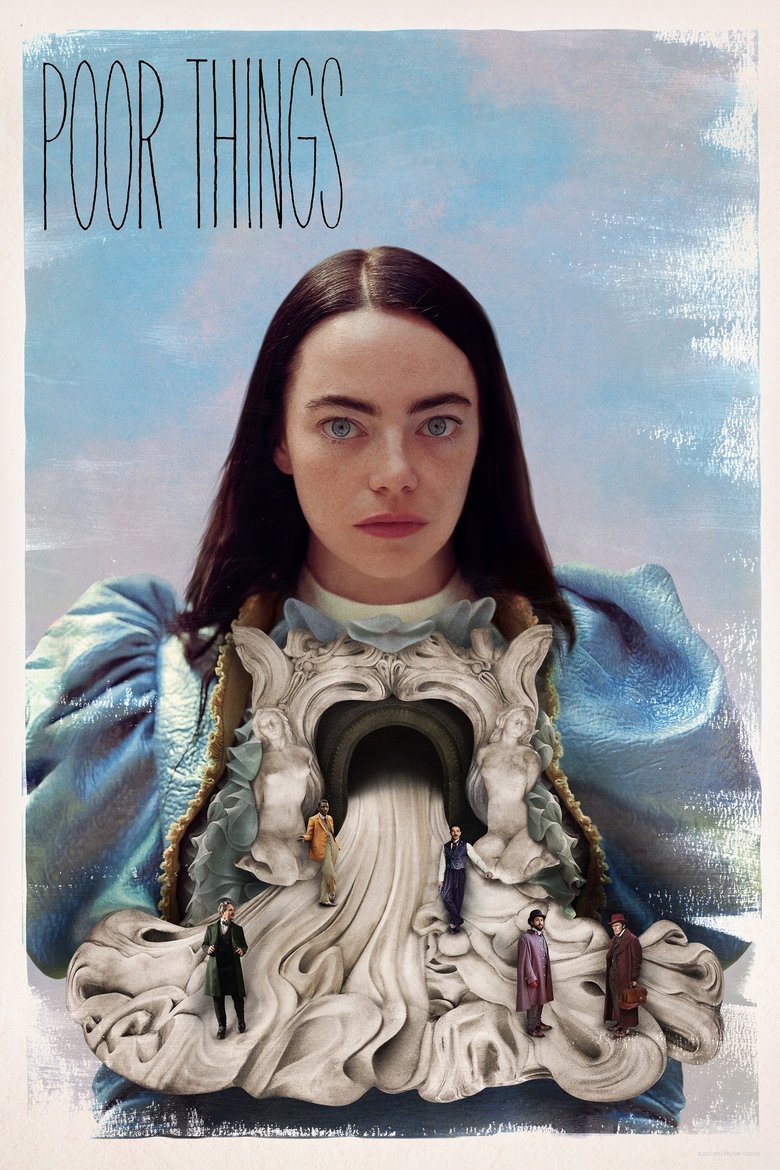
Let's be unequivocally clear: the emperor of weird cinema, Yorgos Lanthimos, has draped a gorgeous, avant-garde gown on a narrative that's largely naked. While the cinephile circuit and Oscar voters have crowned Poor Things a masterpiece, a revolutionary feminist text, and a triumph of unique vision, Lit-Pop is here to deliver the cold, hard truth: it's a meticulously constructed, visually arresting, but ultimately overrated spectacle.
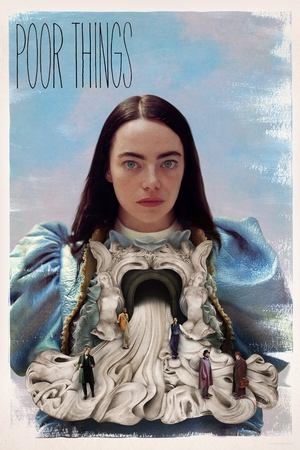
Yes, the aesthetics are unparalleled, and Emma Stone delivers a performance worthy of every accolade, but beneath the meticulously crafted grotesquery and dazzling production design lies a story that struggles to evolve beyond its initial provocative premise. It's a film that demands admiration for its audacity without earning it through profound emotional or thematic resonance.
Why 'Poor Things' Isn't the Masterpiece You Think It Is
- Surface-Level Feminism: The film's 'feminist' narrative of a woman's awakening often feels more like a voyeuristic observation of her reactions than a deep dive into her self-actualization.
- Repetitive Thematic Exploration: Bella's journey, while initially engaging, cycles through similar beats, reducing her 'growth' to predictable reactions to stimuli rather than complex internal development.
- Style Over Subtance: The breathtaking visuals, while a marvel, frequently overshadow and compensate for a script that offers more calculated shock value than genuine insight.
- Emotional Sterility: Despite its wild swings, the film maintains a peculiar emotional distance, making it difficult to connect with Bella's plight on a deeper, human level.
The Illusion of Emancipation: Bella's Curious Case
Poor Things presents Bella Baxter as a woman reborn, a tabula rasa experiencing the world without societal constraints. This premise is undeniably intriguing. Yet, her 'liberation' often feels less like an inherent drive and more like a series of reactions to the men who control or attempt to control her. From Godwin Baxter's bizarre scientific tutelage to Duncan Wedderburn's manipulative seduction, Bella's journey, while outwardly adventurous, remains largely defined by external forces. When she finally lands in the brothel, what could have been a truly subversive exploration of autonomy becomes another phase of observation, her naive detachment preventing any real emotional stakes for the viewer. We watch her discover, but rarely truly feel her discoveries, reducing her to a fascinating biological experiment rather than a fully realized woman.
A Masterclass in Distraction: Style Over Substance
Let's not mince words: the visual world of Poor Things is a triumph. The distorted fisheye lenses, the opulent, anachronistic sets, the fantastical creature design – it's all breathtakingly original and meticulously executed. Emma Stone's committed, fearless performance as Bella Baxter is the engine that drives this elaborate machine, a physical and vocal tour de force. She embodies the character's nascent curiosity and burgeoning sensuality with incredible conviction. However, this is where the film's genius ends and its limitations begin. The sheer spectacle, while mesmerizing, often feels like a smokescreen, dazzling us into overlooking a thematic core that doesn't quite live up to its audacious packaging. The philosophical musings on freedom, sexuality, and identity remain largely on the surface, content to provoke without truly delving into the profound implications of Bella's existence.
Dismantling the Fanaticism
I can already hear the cries: "But it's satire! It's supposed to be uncomfortable!" And yes, Lanthimos is a master of discomfort. But effective satire, especially of patriarchal structures, needs more than just a presentation of the absurd; it needs an incisive critique, a piercing insight that leaves you questioning the real world long after the credits roll. Poor Things often stops at observation, presenting Bella's plight and progress as a series of quirky vignettes rather than a cohesive, escalating argument. It's like a beautifully plated meal that looks exquisite but leaves you hungry for actual nourishment. For a truly underrated film that challenges perceptions without relying solely on shock, you might want to check out our Underrated Films: Our Brutal 2026 Scorecard for something with more bite.
Ultimately, Poor Things is cinematic cotton candy – vibrant, exciting, and momentarily satisfying, but ultimately lacking in substantial sustenance. It's a film that will be endlessly debated, and rightly so, for its visual daring and singular vision. But don't mistake that for narrative brilliance or thematic profundity. It's a gorgeous, well-acted, yet strangely hollow experience that proves even golden statues can be awarded for style over soul. Like this post if you agree, or even if you just appreciate a critic who isn't afraid to call out the hype!
Editor's Verdict
Editor Rating: 6/10
Editor Verdict: While visually stunning and anchored by a phenomenal Emma Stone, 'Poor Things' is a gorgeously packaged, emotionally distant film that mistakes calculated provocation for profound insight, ultimately falling short of its 'masterpiece' reputation.
FAQ
Is Poor Things really a feminist movie?
While often lauded for its feminist themes of female autonomy and liberation, Lit-Pop argues that 'Poor Things' more often observes Bella Baxter's journey as a reaction to male influence rather than a deep dive into her self-actualization, making its feminist credentials debatable.
What is the main message of Poor Things?
The film explores themes of creation, sexual liberation, and societal constraints through the eyes of Bella Baxter. However, its main message is debated, with some critics suggesting it prioritizes stylistic shock over a cohesive, profound statement on these topics.
Why is Poor Things considered controversial?
Its controversial nature stems from its explicit sexual content, grotesque imagery, and its unique, often unsettling narrative style. Critics are divided on whether these elements serve a deeper purpose or are simply for shock value.