The Myth of Perfection: Deconstructing Cinema's 100% Club
In an era of endless content and fractured opinions, what does it truly mean for a film to achieve universal critical acclaim? Lit-Pop dissects cinema's rarest masterpieces.
In the cacophony of modern media, where every film, show, and even TikTok short is instantly dissected, reviewed, and often polarized, the idea of a 'perfect 100% score' feels less like an achievement and more like a myth. Yet, a select few cinematic titans stand tall, impervious to the fickle winds of public opinion and shifting critical tides. These aren't just 'good' films; they are cinematic declarations that transcend personal taste, historical context, and even the intentions of their creators to become something universally acknowledged as genius. But what does this rarefied air tell us about film, artistry, and ourselves, here in March 2026?
Unpacking Cinema's Rarest Achievement: The Perfect 100% Score
- The elusive nature of unanimous critical acclaim in a fragmented media landscape.
- Deep dives into enduring masterpieces like Citizen Kane and Vertigo.
- Why timeless narratives, technical innovation, and thematic depth define true cinematic perfection.
- The shift in how modern films are critically assessed and the challenge of achieving consensus today.
- A forward-looking perspective on the future of the 'perfect score' in cinema.
The Wellesian Revolution: Citizen Kane
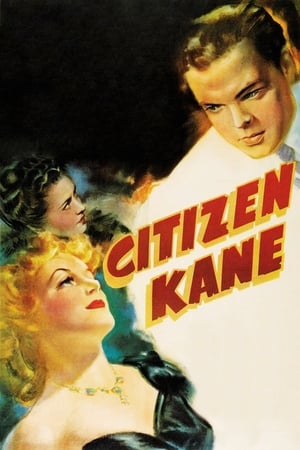
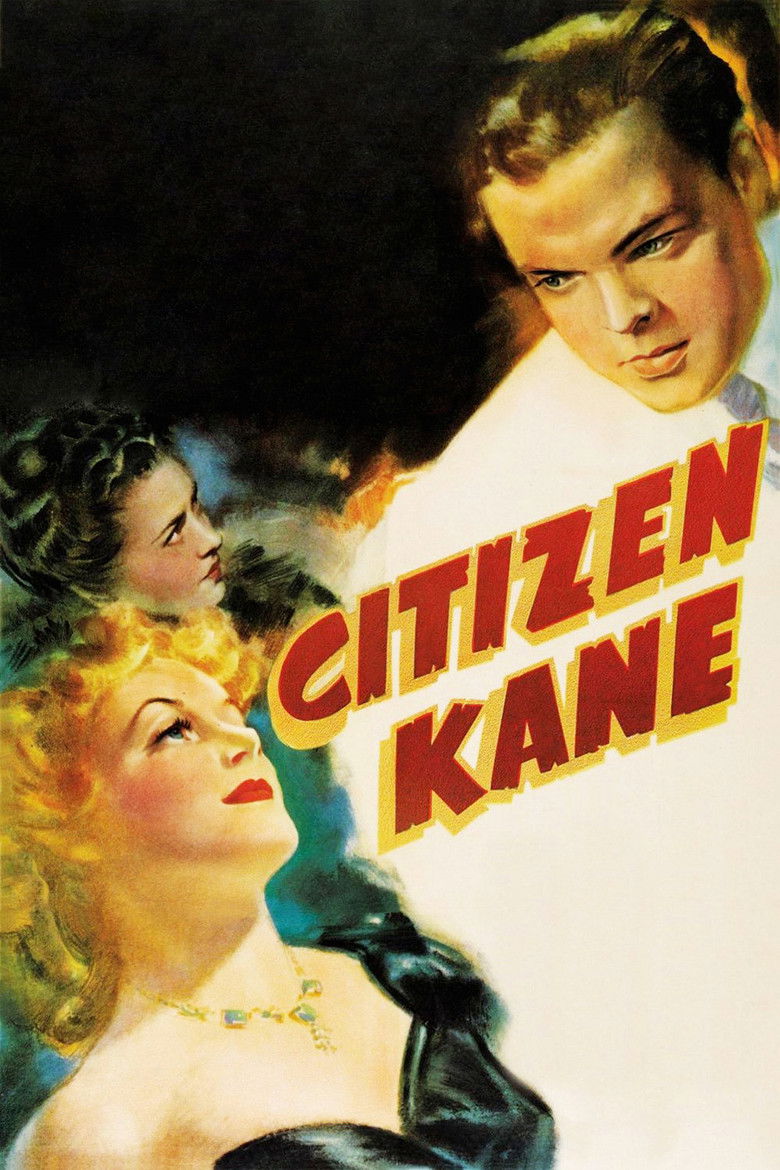
No discussion of critical perfection can bypass Orson Welles' audacious debut, Citizen Kane. Released in 1941, it was, and remains, a thunderclap of cinematic innovation. This isn't just a film; it's a film school in itself. Welles, a mere 25, took the rulebook, crumpled it up, and threw it out the window, redefining cinematography with deep-focus shots that made every inch of the frame meaningful. The non-linear narrative, a daring choice for its time, mirrored the fragmented nature of memory and truth, presenting Charles Foster Kane not as a hero or villain, but as an unknowable sum of perspectives. Its brilliance lies in its relentless pursuit of a character through revolutionary storytelling, making it a masterclass in narrative ambition that continues to inspire filmmakers today. It’s a bold assertion of auteur theory before the term was even coined, and its technical prowess still leaves contemporary blockbusters in the dust. Frankly, if you haven't seen it, you're missing a cornerstone of cinematic literacy.
Hitchcock's Psychological Vortex: Vertigo
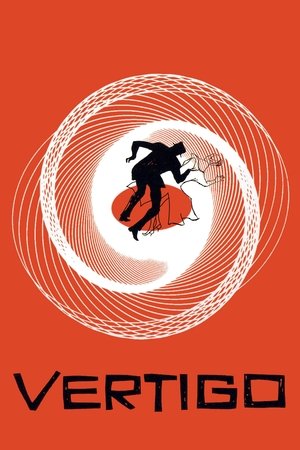
Then there's Alfred Hitchcock's Vertigo, a film that has only grown in stature since its somewhat muted 1958 reception. Initially overshadowed by its flashier contemporaries, Vertigo underwent a critical re-evaluation that culminated in its dethroning Citizen Kane in Sight & Sound's 2012 critics' poll as the 'greatest film of all time.' This isn't just about suspense; it's a chilling exploration of obsession, identity, and the male gaze, wrapped in a visually stunning, dreamlike package. The
FAQ
What constitutes a 'perfect 100 score' in film criticism?
A perfect 100% score typically refers to a film that has received universal acclaim from all surveyed critics on aggregation sites like Rotten Tomatoes, with every review being positive. It signifies an extremely rare consensus of artistic excellence.
Are modern films capable of achieving universal critical consensus?
Achieving a perfect 100% score is increasingly difficult for modern films. The rise of diverse critical voices, niche publications, and online platforms means there are more critics and varied perspectives, making unanimous praise exceptionally rare, if not impossible, for new releases.
Why do older films often dominate 'greatest films' lists?
Older films that consistently appear on 'greatest films' lists have often withstood the test of time, demonstrating enduring artistic merit and cultural impact beyond their initial release. Their influence on subsequent cinema and their timeless themes contribute to their sustained critical appreciation.