New Horror's Unnerving Ascent: Beyond Cheap Thrills
From Bugonia to The Mortuary Assistant, upcoming horror movies are ditching jump scares for visceral, psychological dread. What does this mean for our collective fears?
The cinematic landscape of horror is undergoing a fascinating, and frankly, long-overdue transformation. We are witnessing a decisive pivot away from the predictable jump scares and gratuitous gore that have plagued the genre for years. Today's most anticipated horror movies aren't just aiming to make you flinch; they're meticulously designed to burrow deep under your skin, tapping into existential anxieties, body dysmorphia, and the insidious unease of the human condition. It’s a cultural awakening, a collective sigh of relief as audiences demand more than mere shock value – they want dread, they want thought, and they want films that haunt them long after the credits roll.
Unpacking the Next Wave of Scares
Curious about what truly innovative horror looks like in 2026? Here’s what this piece will dissect:
- How films like Bugonia exemplify the shift towards surreal, psychological terror.
- The rising influence of indie sensibilities and atmospheric dread, as seen in The Mortuary Assistant.
- What this evolution in horror filmmaking reveals about contemporary audience cravings.
- A bold prediction for the future trajectory of the genre.
The Surrealist Nightmare: Bugonia's Promise
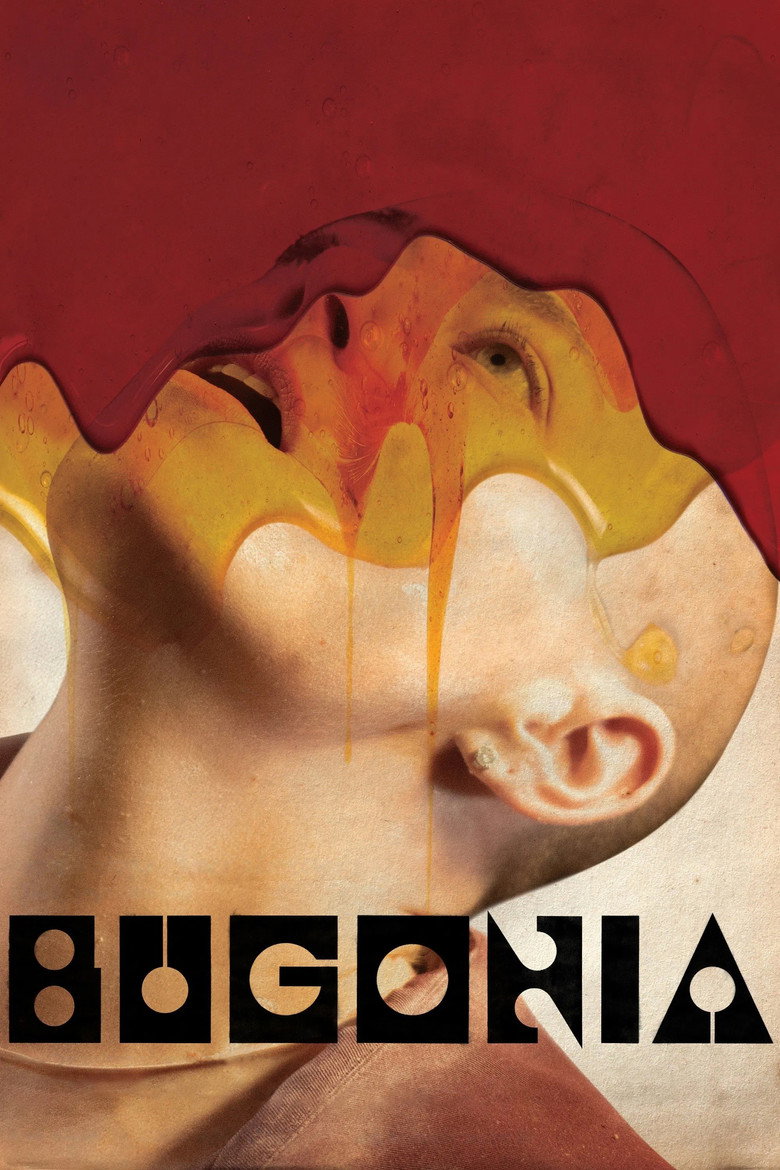
Leading this charge into the uncanny valley of modern terror is Yorgos Lanthimos's highly anticipated Bugonia. While details remain tantalizingly sparse, the mere mention of Lanthimos's name in conjunction with horror sets a new precedent. This isn't the man known for cheap thrills; this is the architect of the deeply unsettling, the darkly comedic, and the fundamentally alienating. Think less 'chainsaw massacre' and more 'existential dread served with a side of bewildering social critique.' His previous works, like The Lobster and Poor Things, demonstrate a unique ability to twist familiar realities into bizarre, often horrifying, allegories of human nature. Bugonia promises to leverage this talent, delivering a horror experience that thrives on discomfort, psychological unraveling, and perhaps, a touch of the absurd. This is horror as art house provocation, challenging viewers to confront not just monsters, but the monstrous within society and themselves. It’s a clear indicator that the
FAQ
What defines psychological horror compared to traditional horror?
Psychological horror emphasizes the mental and emotional states of characters, using dread, suspense, and internal conflict to create fear, often with minimal gore or jump scares, unlike traditional horror which may rely more on external threats and visceral shocks.
Why are audiences seeking more intellectual horror films now?
A growing segment of the audience is experiencing 'jump scare fatigue' and is seeking films that offer deeper, more resonant themes, character development, and a lasting sense of unease that reflects contemporary societal anxieties and philosophical questions.
Will jump scares disappear entirely from horror movies?
No, jump scares are a classic horror device and will likely always have a place in the genre. However, their overuse in recent years is leading to a greater appreciation for films that employ them sparingly and effectively, or explore other methods of generating fear.