Mary Shelley's Frankenstein: A Misunderstood Gothic Triumph
Kenneth Branagh's bombastic 1994 adaptation is a visually stunning, emotionally raw masterpiece that critics still haven't fully appreciated.
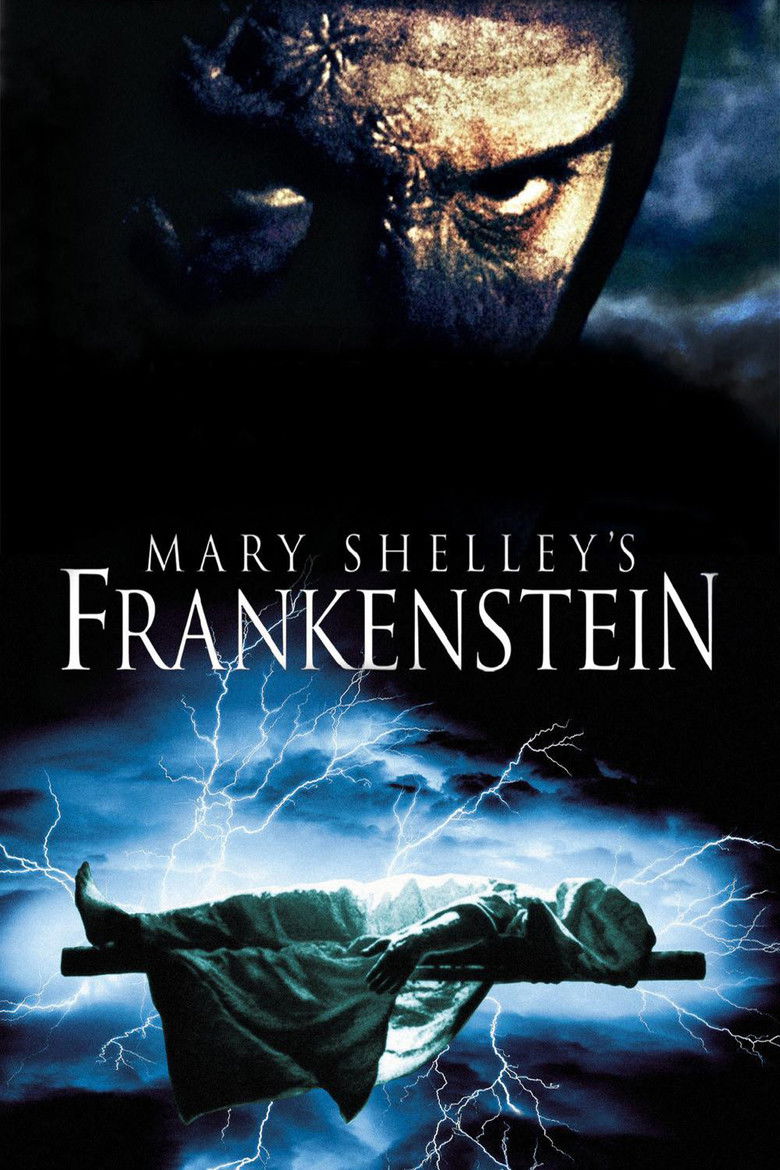
In an era saturated with slick, focus-group-tested content, it's easy to dismiss films that dared to be too much. Kenneth Branagh’s 1994 epic, Mary Shelley's Frankenstein, is precisely one such film. Often relegated to the footnotes of gothic horror or overshadowed by Universal’s iconic, if less faithful, interpretations, Branagh’s sprawling, operatic vision is not merely an adaptation; it's a visceral, no-holds-barred wrestling match with the very soul of Shelley’s seminal text. To call it merely a monster movie is to miss the beating, tormented heart of its genius. It’s a film that demands you grapple with it, flaws and all, and in doing so, reveals its true, terrifying brilliance.
Re-evaluating Branagh's Gothic Masterpiece: Why You Need to See It Now
For those who haven't plunged into the chaotic beauty of Branagh's Frankenstein, or those who wrote it off too quickly, here's what makes this film an essential, if still underrated, cinematic experience:
- Unflinching Fidelity to the Novel's Core: It captures the philosophical and emotional depth of Shelley's work, not just the surface-level horror.
- Robert De Niro's Tour-de-Force: A Creature of unparalleled pathos, intellect, and raw suffering that transcends the typical 'monster' trope.
- Operatic Visuals and Practical Effects: A lavish, theatrical aesthetic that immerses viewers in a world of Romantic grandeur and grotesque invention.
- Timeless Themes of Hubris and Abandonment: Its exploration of scientific ethics, parental responsibility, and the definition of humanity remains profoundly relevant.
The Grand Guignol Aesthetic: A Bold Artistic Choice
Branagh, fresh off his Shakespearean triumphs, approached Frankenstein not as a horror film in the conventional sense, but as a sweeping, tragic romance imbued with the darkest shades of gothic sensibility. He didn't just adapt Shelley; he performed it, channeling the very theatricality and heightened emotion that defines the Romantic period in which the novel was conceived. From the icy, desolate landscapes of the Arctic to the claustrophobic, candlelit laboratories of Ingolstadt, every frame is meticulously crafted to convey a sense of oppressive grandeur and impending doom. The practical effects, particularly in the Creature's 'birth' sequence – a grotesque, amniotic writhing of muscle and sinew – are shockingly effective, rejecting CGI for a tactile, disturbing reality that few modern films dare to embrace. It’s a messy, glorious, maximalist approach that some critics found overwrought, but I argue it’s precisely what distinguishes it from the restrained, often bloodless, adaptations that preceded it. This isn't just a monster bursting from a slab; it's a new being wrenched into existence through sheer, reckless will, and the film feels it in every strained sinew and desperate breath. It stands apart from many genre entries, much like the unique films celebrated in our Beyond the Blockbuster Hype: Why Quirky Cult Classics Endure feature.
De Niro's Creature: A Symphony of Suffering and Rage
The casting of Robert De Niro as the Creature was, at the time, a bold and somewhat controversial move. Yet, his performance is the undeniable heart of the film, a masterclass in physical and emotional transformation. Unlike Boris Karloff’s iconic, silent brute, De Niro’s Creature is eloquent, intelligent, and profoundly articulate, directly reflecting Shelley's text. He articulates his despair, his longing for companionship, and his burning resentment with a voice that is both educated and raw with agony. Consider the scene where he confronts Victor in the icy mountains: De Niro conveys generations of human suffering in his posture, his guttural pleas, and the sheer force of his rejected existence. He’s not just a monster; he’s an abandoned child, a philosophical being, a victim of unfathomable cruelty, and ultimately, a terrifying reflection of Victor’s own monstrous hubris. This duality, this capacity for both tenderness and savage vengeance, makes De Niro’s Creature one of the most compelling and nuanced horror figures in cinematic history. It’s a performance that redefines the very essence of the 'creature feature' and elevates the entire film far beyond its initial reception.
Victor's Descent: The True Monster Revealed
Kenneth Branagh, not content with merely directing, also takes on the role of Victor Frankenstein, and his portrayal is a whirlwind of obsessive passion and tragic arrogance. Branagh’s Victor is not a timid scientist; he is a man possessed, driven by a Promethean fire to conquer death itself. His descent into madness and despair is agonizingly palpable, fueled by his creation and his ultimate failure to take responsibility for it. The film meticulously tracks his journey from idealistic ambition to abject horror, showcasing how his intellectual prowess is utterly dwarfed by his moral cowardice. The true horror isn't the Creature's appearance; it's Victor's callous abandonment, his inability to see beyond the surface, and his subsequent self-destructive pursuit of revenge. Branagh’s performance, often criticized as overly histrionic, perfectly captures the Romantic era’s penchant for heightened emotion, demonstrating how Victor’s internal turmoil is just as cataclysmic as the external chaos he unleashes. He is a man who plays God, but lacks the divine compassion necessary to shepherd his creation.
Enduring Themes: What Makes Us Human?
Mary Shelley's Frankenstein is less a tale of science run amok and more a profound inquiry into the nature of humanity, responsibility, and the terrifying consequences of abandonment. The film asks: what defines a monster? Is it appearance, or action? Is it the created, or the creator? In De Niro’s Creature, we witness a being who, despite his horrific visage, yearns for connection, love, and understanding. In Branagh’s Victor, we see a man of privilege and intellect who, despite his human form, demonstrates a chilling capacity for cruelty and neglect. This thematic inversion is the beating heart of Shelley’s novel, and Branagh’s film embraces it with audacious confidence. Its exploration of scientific ethics – the line between discovery and playing God – resonates more than ever in our age of genetic engineering and artificial intelligence. This is a film that doesn't just entertain; it provokes, challenges, and forces introspection, standing as a testament to the enduring power of gothic storytelling. For more nuanced horror that might have initially flown under the radar, you might enjoy our take on Don't Sleep on Dead End: A Masterclass in Holiday Horror.
Editor's Verdict
Kenneth Branagh’s Mary Shelley's Frankenstein is a criminally underrated achievement, a film that dared to be as epic, as messy, and as emotionally devastating as its source material. It's a gothic triumph that deserves a fresh look from anyone who appreciates cinema that isn't afraid to confront the darkest corners of the human, and inhuman, condition. This is a bold, uncompromising vision that delivers both spectacle and soul, proving that sometimes, being 'too much' is precisely what makes something unforgettable.
Like this deep dive? Share it with a friend who appreciates cinematic gems!
FAQ
Is Kenneth Branagh's Frankenstein a horror movie?
While it contains terrifying elements and gothic horror themes, Kenneth Branagh's 'Mary Shelley's Frankenstein' is more accurately described as a gothic drama or tragic romance with significant horror undertones, focusing on philosophical questions rather than jump scares.
How faithful is Mary Shelley's Frankenstein (1994) to the book?
Kenneth Branagh's adaptation is widely considered one of the most faithful big-screen versions of Mary Shelley's novel, particularly in its portrayal of the Creature's intelligence and the novel's core themes of abandonment and responsibility, though it takes some cinematic liberties.
Why did Mary Shelley's Frankenstein receive mixed reviews upon release?
Critics were divided on Branagh's highly theatrical and intense direction, which some found overwrought. Additionally, Robert De Niro's casting as the Creature was initially controversial, though his performance is now largely lauded.