Beyond Sequels: Why Hoppers Redefines Family Movie Magic
In an age of hyper-targeted cinema, the quiet success of original animated films like Hoppers reveals a cultural hunger for stories that truly unite every generation.
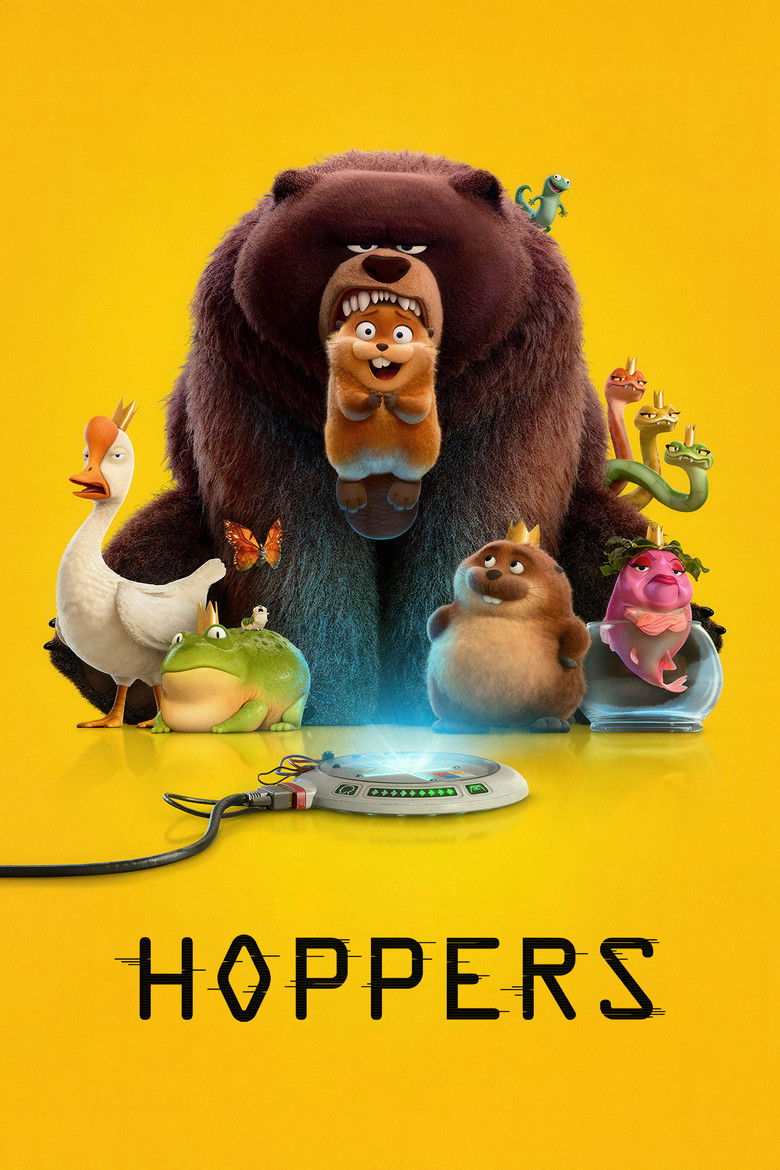
The modern cinematic landscape often feels less like a vibrant tapestry and more like a fragmented mosaic. Studios, in their relentless pursuit of algorithmic perfection, have mastered the art of catering to niches: the horror junkies get their scares, the sci-fi faithful their epic sagas, and the rom-com devotees their meet-cutes. But what about the elusive 'family movie' – the one rare beast capable of genuinely captivating a toddler, a cynical teenager, and their exhausted parents all at once? This isn't about bland, inoffensive fare; it's about magic. And right now, the industry is largely missing the mark, making films like Hoppers feel less like a trend and more like a much-needed cultural rebellion.
The Quest for Universal Appeal: What Makes a Family Film Truly Great?
Today's audience is tired of formulaic, lowest-common-denominator entertainment. We're yearning for films that:
- Bridge Generational Gaps: Stories with layers that speak to different age groups simultaneously.
- Champion Originality: Fresh narratives that aren't beholden to established IP or endless sequels.
- Embrace Authentic Emotion: Characters and plots that resonate with genuine humor, heart, and occasional challenge.
- Offer Shared Experiences: Movies that foster conversation and connection long after the credits roll.
Hoppers: The Uncommon Unicorn of Family Entertainment
Let's talk about Hoppers. This animated wonder isn't just trending; it's thriving precisely because it dares to be genuinely good on multiple levels. It doesn't condescend to its younger audience with simplistic plots, nor does it bore adults with predictable tropes. Instead, Hoppers delivers a visually stunning world teeming with inventive creatures and a narrative that’s both thrilling and surprisingly poignant. Kids are utterly charmed by the titular Hoppers, their quirky personalities, and their high-stakes adventure. Meanwhile, parents can appreciate the subtle thematic depth – be it environmentalism, the power of community, or the courage to embrace one's unique identity. This isn't just a movie you put on to keep the kids quiet; it’s a film you actively enjoy alongside them, sparking conversations about its ingenious world-building and character arcs. It’s proof that originality, when executed with passion and intelligence, will always cut through the noise. For more on the future of animation, check out our piece on Future of Animation: Must-See Movies of 2026 & Beyond.
The Chasm of Niche Appeal: A Glance at Scream 7
Now, pivot to Scream 7. This isn't a critique of the film itself, but rather what its continued existence represents in the broader cinematic ecosystem. Scream films are highly specific, catering to a fervent fanbase with a taste for meta-horror, gore, and jump scares. Its audience knows exactly what it’s getting, and that's the point. While successful within its demographic, it highlights the stark contrast to Hoppers' multi-generational appeal. Modern cinema increasingly thrives on these hyper-targeted offerings. It’s efficient for studios, but it leaves a void for shared experiences, further fracturing the collective movie-going culture that once defined weekends.
The Middle Ground Muddle: One Battle After Another's Dilemma

Then there are films like One Battle After Another. This action-drama, with its intense title and poster, likely targets an older teen and adult demographic. While it might offer compelling narrative and performances, it doesn't aim for the universal connection that defines truly great family entertainment. It exists in the vast middle ground of genre-specific dramas, competently serving its segment but not attempting to bridge the chasm between different generations in the way Hoppers does. It reinforces the idea that most films are content to preach to their specific choirs, rather than orchestrate a symphony for everyone. This reflects a broader trend in how movies are made and marketed today, prioritizing a guaranteed niche over the ambitious, sometimes riskier, pursuit of broad, genuine appeal. For more on diverse films, consider our article on 2026's Cinematic Canvas: Fresh Takes & Fan Favorites.
What This Says About Audiences Today
Audiences are savvy. We're not just passively consuming what's fed to us; we're actively seeking out experiences that offer more than momentary distraction. The success of Hoppers isn't an anomaly; it's a beacon. It tells us that parents aren't content with just dropping their kids in front of anything animated; they want to be entertained too. Teenagers, often dismissed as unreachable, still respond to genuine storytelling and imaginative worlds. We crave connection, shared laughter, and collective gasps. The cultural conversation around films like Hoppers isn't just about its critical reception; it's about the tangible joy of discovering a film that truly everyone can love.
The Future of Family Cinema: A Bold Prediction
This isn't just a fleeting moment; it's a turning point. As audiences grow increasingly fatigued by the endless cycle of sequels, reboots, and hyper-niche content, studios will be forced to re-evaluate what truly resonates. The future of family cinema lies not in louder explosions or cuter mascots, but in audacious, original storytelling that trusts its audience, young and old, to appreciate depth and wit. We'll see a renaissance of films that aim for the heart and the mind, proving that 'family-friendly' doesn't have to mean 'forgettable.' The bar has been raised, and films like Hoppers are leading the charge towards a more connected, universally engaging cinematic future. Like this post if you agree!
FAQ
What makes a movie truly "family-friendly" today?
It's less about avoiding controversy and more about crafting narratives and humor that resonate on multiple levels, offering something genuinely engaging for both children and adults without being condescending or overly simplistic.
Are original animated films like Hoppers becoming more popular?
Absolutely. While sequels still dominate, audiences are increasingly drawn to fresh stories and unique animation styles that break free from established franchises, showing a desire for novelty and genuine artistic vision.
How does Hoppers appeal to different age groups?
Kids are captivated by its vibrant characters and exciting adventure, while adults appreciate the clever humor, underlying themes, and sophisticated animation that elevate it beyond typical children's fare.