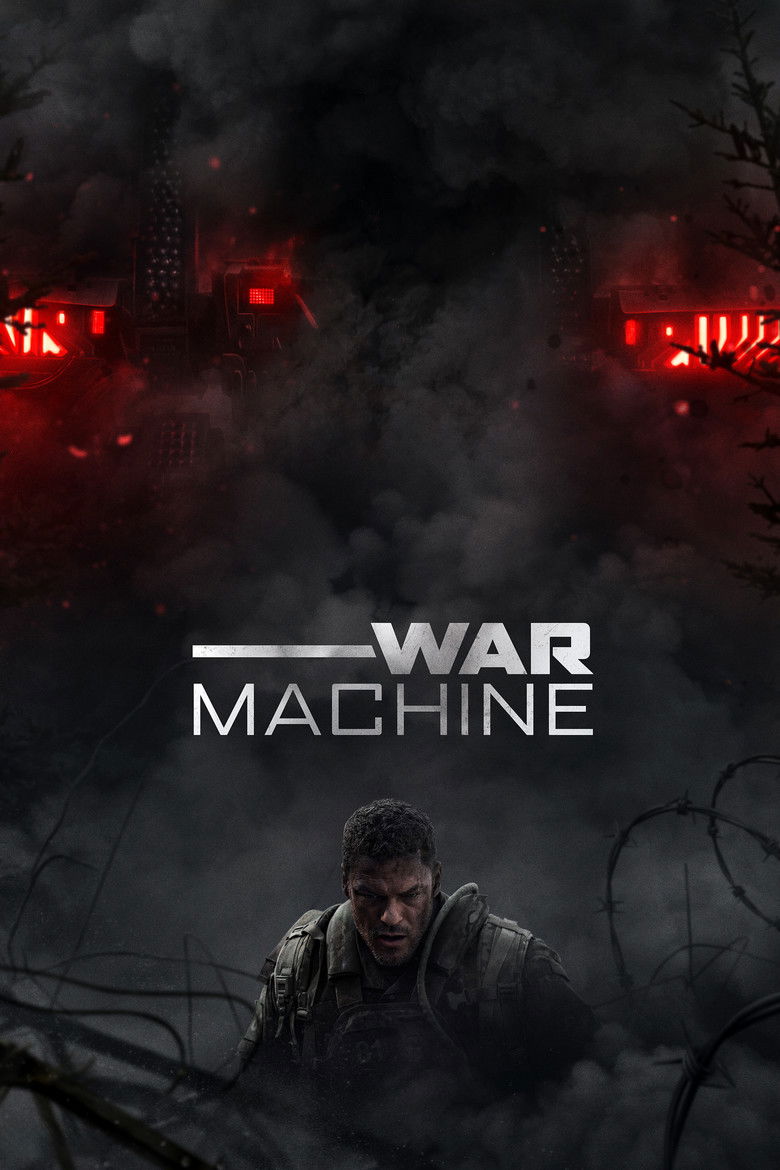
Action Showdown: Greenland 2 vs. One Battle After Another
We pit two high-stakes films against each other in a brutal cinematic scorecard: Does disaster survival or gritty warfare reign supreme?

It's March 2026, and the cinematic landscape is awash with high-stakes thrills. But not all white-knuckle rides are created equal. Today, we're cutting through the noise to pit two contenders for your attention against each other: the global catastrophe sequel Greenland 2: Migration and the visceral war epic One Battle After Another. Forget the marketing spin; Lit-Pop is here to deliver an unflinching, score-based verdict on which film truly delivers the goods. Only one can be crowned the champion of pulse-pounding cinema.
Which March 2026 Action Film Should You Watch?
If you're looking for an adrenaline fix this weekend, here's what our deep dive into these two action powerhouses covers:
- A breakdown of our rigorous scoring methodology.
- Detailed analysis and scores for Greenland 2: Migration.
- An in-depth critical evaluation of One Battle After Another.
- A head-to-head comparison of narrative, action, performances, and overall impact.
- Our definitive ranked verdict to guide your next movie night.
The Lit-Pop Scoring Methodology
To ensure a fair fight, we're judging these films on five critical criteria, each weighted equally and scored out of 10. The highest total score wins. No participation trophies here.
- Story & Stakes ( /10): How compelling is the core narrative? Are the stakes clear, impactful, and genuinely felt by the audience?
- Action & Spectacle ( /10): Does the film deliver on its promise of excitement? Are the action sequences innovative, well-executed, and visually impressive? (Less 'spectacle' for gritty realism, more 'visceral effectiveness').
- Performances ( /10): How convincing are the actors? Do they elevate the material or merely recite lines?
- Direction & Pacing ( /10): Is the film expertly guided by its director? Does the pacing maintain tension and engagement without dragging or feeling rushed?
- Impact & Originality ( /10): Does the film leave a lasting impression? Does it offer anything genuinely new or profound to its genre, or is it just more of the same?
Contender 1: Greenland 2: Migration
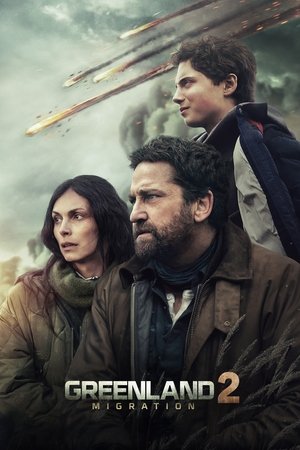
Story & Stakes: 6/10 The first Greenland film offered a surprisingly grounded and intense take on the disaster genre, focusing on personal survival amidst global chaos. Migration, however, feels like a calculated retread. While the stakes remain globally existential, the narrative lacks the fresh urgency of its predecessor. It's less a new journey and more a slightly longer detour on familiar terrain. The emotional beats are predictable, leaning heavily on established character arcs without truly deepening them.
Action & Spectacle: 7/10 Visually, Greenland 2 delivers. The CGI renditions of cataclysmic events are certainly impressive, showcasing collapsing skylines and devastating natural phenomena. However, the action sequences, while competently executed, often feel too polished, lacking the raw, desperate grit that made the original so compelling. It's big, but rarely truly visceral.
Performances: 6/10 Gerard Butler once again anchors the film with his signature blend of stoic determination and gruff vulnerability. He's good at what he does, but the role offers little opportunity for him to stretch beyond his established persona. The supporting cast, while solid, similarly performs within well-worn archetypes, leaving little room for standout moments. It’s effective, but not memorable.
Direction & Pacing: 7/10 Ric Roman Waugh maintains a relentless pace, which is commendable for a disaster film. He understands how to build a sense of urgency and dread, keeping the audience on edge. However, some directorial choices feel a touch too on-the-nose, sacrificing subtlety for immediate emotional impact. The narrative drives forward, but sometimes at the expense of genuine character moments.
Impact & Originality: 5/10 This is where Greenland 2 truly falters. It's a perfectly competent sequel, but it offers almost nothing new to the disaster genre or its own franchise. The film rehashes themes and scenarios, ultimately failing to leave a lasting impression beyond its runtime. It's a popcorn movie, plain and simple, and one that quickly fades from memory. For more deep dives into thrillers, check out our piece on Decoding the Grip: Why These Anticipated Thrillers Will Keep You on Edge.
Total Score: 31/50
Contender 2: One Battle After Another

Story & Stakes: 8/10 One Battle After Another eschews global spectacle for an intensely personal, suffocatingly claustrophobic look at the relentless grind of sustained conflict. The narrative focuses on a small unit, making every decision, every loss, feel immediate and devastating. The stakes aren't just about survival; they're about maintaining humanity in the face of dehumanizing chaos. It’s a relentless character study disguised as an action film.
Action & Spectacle: 9/10 This film isn't about grand explosions or heroic charges; it's about the brutal, terrifying reality of warfare. The combat sequences are unflinchingly realistic, from the deafening sound design to the chaotic, often disorienting camerawork. It’s less spectacle and more a harrowing, immersive experience. You don't just watch the battles; you feel them, making it one of the most effective war films in years.
Performances: 9/10 The ensemble cast here is simply phenomenal. Without relying on big-name stars, each actor delivers a raw, emotionally charged performance that captures the exhaustion, fear, and strained camaraderie of soldiers pushed to their limits. Their nuanced portrayals elevate the film from a simple action flick to a powerful human drama. The unspoken communication, the haunted eyes – it's all there.
Direction & Pacing: 9/10 The director of One Battle After Another is a master of atmosphere. The film crafts a suffocating sense of dread, punctuated by moments of explosive, disorienting violence. The pacing is deliberate, reflecting the agonizing waits and sudden, brutal onslaughts of conflict. This isn't just about showing what happens; it's about making you feel the psychological toll. The control over tone and tension is absolute.
Impact & Originality: 8/10 While war films are a well-trodden genre, One Battle After Another finds fresh ground by prioritizing the psychological and emotional burden over traditional heroism. It's a film that lingers, forcing you to confront uncomfortable truths about conflict long after the credits roll. It's a grim, powerful statement that resonates deeply, proving that originality isn't always about a never-before-seen premise, but a fresh perspective.
Total Score: 43/50
The Final Ranked Table: And the Winner Is...
| Film | Story & Stakes | Action & Spectacle | Performances | Direction & Pacing | Impact & Originality | Total Score |
|---|---|---|---|---|---|---|
| Greenland 2: Migration | 6 | 7 | 6 | 7 | 5 | 31/50 |
| One Battle After Another | 8 | 9 | 9 | 9 | 8 | 43/50 |
It's a decisive victory. While Greenland 2: Migration delivers passable disaster spectacle, it ultimately succumbs to sequelitis, offering little beyond a familiar thrill. One Battle After Another, however, carves out its own brutal, unforgettable niche, proving that true impact comes from raw, human-scale storytelling, not just bigger explosions.
Editor's Verdict
One Battle After Another: 8/10
One Battle After Another is a gut-punch of a film, a masterclass in immersive, unflinching warfare that redefines what a modern action-drama can achieve. It's a raw, compelling experience that will stay with you long after the screen goes dark. Go watch it. Like this post if you dare to face the truth of cinema!
FAQ
Is Greenland 2: Migration a direct sequel to the first Greenland movie?
Yes, Greenland 2: Migration continues the story from the 2020 disaster film Greenland, following the Garrity family as they navigate a post-apocalyptic world still reeling from comet impacts.
What genre is One Battle After Another?
One Battle After Another is best described as a gritty war drama with intense action sequences, focusing on the psychological and physical toll of sustained conflict on a small military unit.