Decoding Perfection: What Makes Films Universally Acclaimed?
From Kurosawa's epic vision to Pixar's animated heart, we delve into the cinematic masterpieces that earn universal critical praise and stand the test of time.

Ever wonder what it takes for a film to transcend mere popularity and achieve that rare, coveted status of universal critical acclaim? It’s more than just a passing trend or a big box office weekend. These are the cinematic masterpieces that critics, filmmakers, and audiences alike agree represent the pinnacle of storytelling and artistry. They are the films we revisit, study, and continue to discuss decades after their release, shaping the very language of cinema. As we celebrate these achievements on Lit-Pop this March 2026, let's pull back the curtain on what makes these films resonate so profoundly and why their perfection endures.
The Elusive Perfect Score: What Does It Take?
Achieving universal critical acclaim is a monumental feat in the diverse and often subjective world of film criticism. A truly perfect score, or near-perfect consensus, signifies a film that excels on virtually every conceivable level. Critics typically look for a harmonious blend of innovative direction, compelling screenwriting, stellar performances, groundbreaking technical execution, and a thematic depth that speaks to universal human experiences. But it's not just about ticking boxes; it's about a film's ability to transcend its genre, challenge conventions, and leave an indelible mark on its audience and the cinematic landscape itself. These films often push boundaries, whether through narrative structure, visual style, or emotional impact, securing their place in history not just as great movies, but as essential cultural touchstones.
Case Studies in Cinematic Brilliance
To truly understand the essence of universal acclaim, let's examine a few diverse examples that have consistently captivated critics and audiences across generations and cultures.
Seven Samurai: A Blueprint for Modern Storytelling

Akira Kurosawa's 1954 epic, Seven Samurai, isn't just a classic; it's practically a cinematic bible. This Japanese masterpiece, clocking in at over three hours, tells the story of a desperate village that hires seven ronin (masterless samurai) to protect them from bandits. Its influence is immeasurable, serving as the direct inspiration for countless films, most notably The Magnificent Seven, and shaping action cinema, ensemble storytelling, and character development for generations. What makes it universally acclaimed? Kurosawa's masterful direction created a perfect balance of intimate character moments and grand-scale action. The film explores profound themes of honor, duty, sacrifice, and the class struggle with nuance and emotional depth. Each samurai is distinct, memorable, and contributes to a cohesive, gripping narrative. The pacing is deliberate, building tension and allowing the audience to invest deeply in the characters and their plight. From its groundbreaking camerawork to its intricate battle choreography, Seven Samurai is a testament to the power of filmmaking, demonstrating how a compelling story, told with precision and passion, can transcend cultural barriers and remain relevant for nearly seventy years.
Toy Story: Animated Perfection, Timeless Heart
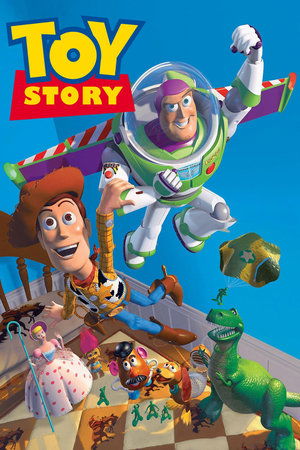
In 1995, Pixar Animation Studios unleashed Toy Story upon the world, and cinema was never the same. As the first feature-length film animated entirely by computer, it was a technological marvel. Yet, its universal acclaim stems not just from its revolutionary visuals, but from its utterly captivating story and unforgettable characters. The tale of Woody, a pull-string cowboy doll, and Buzz Lightyear, a deluded space ranger toy, navigating the complexities of friendship, jealousy, and belonging, struck a chord with audiences of all ages. What makes Toy Story a perfect film? It's the emotional intelligence of its screenplay, penned by a team including Joss Whedon and Andrew Stanton, which crafts relatable anxieties and heartwarming resolutions. It perfectly encapsulates the magic of childhood imagination and the fear of being replaced. The voice acting, particularly from Tom Hanks and Tim Allen, imbues the characters with incredible life. Critics lauded its innovative animation that served, rather than overshadowed, its profound narrative. Toy Story proved that animated films could possess the same narrative sophistication and emotional resonance as live-action dramas, forever raising the bar for the genre and earning its place among the most beloved and critically cherished films of all time.
Fanny and Alexander: A Masterclass in Human Experience

Ingmar Bergman's 1982 magnum opus, Fanny and Alexander, is a sprawling, semi-autobiographical epic that serves as a poignant reflection on childhood, family, art, and the human spirit. Originally conceived as a television miniseries before being edited into a shorter theatrical release, the film is a visually stunning and emotionally rich journey through the eyes of two young siblings, Fanny and Alexander, living in turn-of-the-century Sweden. Its universal acclaim comes from Bergman’s unparalleled ability to weave together the mundane and the magical, the joyful and the tragic, into a tapestry of life. The film explores the complexities of family dynamics, the oppressive nature of religious dogma, and the liberating power of imagination with breathtaking honesty. Each scene is meticulously crafted, bathed in lush cinematography by Sven Nykvist, creating a world that feels both deeply personal and universally resonant. The performances, especially from the child actors, are remarkably authentic, grounding the fantastical elements in raw human emotion. Fanny and Alexander is a testament to the idea that cinema can be both grand entertainment and profound art, a deeply personal story that touches on the universal themes of loss, resilience, and the enduring search for beauty and meaning in a complicated world. It's a film that demands to be experienced, not just watched, offering new layers with every viewing.
Beyond the Hype: The Enduring Resonance
What these three vastly different films—a Japanese samurai epic, an American animated marvel, and a Swedish family drama—share are qualities that transcend genre and era. They possess universal themes that speak to the human condition: the struggle for survival, the quest for identity, the importance of community, and the power of love and imagination. They are meticulously crafted, demonstrating unparalleled technical mastery and artistic vision from their directors and crews. Their narratives are compelling, their characters unforgettable, and their emotional impact lasting. These films don't just entertain; they provoke thought, evoke deep feelings, and often change the way we perceive the world around us. They are rewatchable because their depth allows for new discoveries with each viewing, cementing their place as truly timeless cinema.
Discover Your Next Masterpiece
The world of universally critically acclaimed films is a rich tapestry waiting to be explored. Whether you're drawn to the epic scope of Seven Samurai, the heartfelt innovation of Toy Story, or the profound beauty of Fanny and Alexander, these cinematic treasures offer an unparalleled viewing experience. They remind us why we love movies—for their power to transport, inspire, and deeply connect us to stories that echo across time and culture. So, on this March 8, 2026, take some time to revisit an old favorite or discover a new masterpiece. What universally acclaimed films top your list? Let us know in the comments!