Don't Sleep on Dead End: A Masterclass in Holiday Horror
While many dismiss it as a B-movie curiosity, 2003's 'Dead End' is a wickedly clever, psychologically chilling gem that puts most mainstream horror to shame. You're missing out.
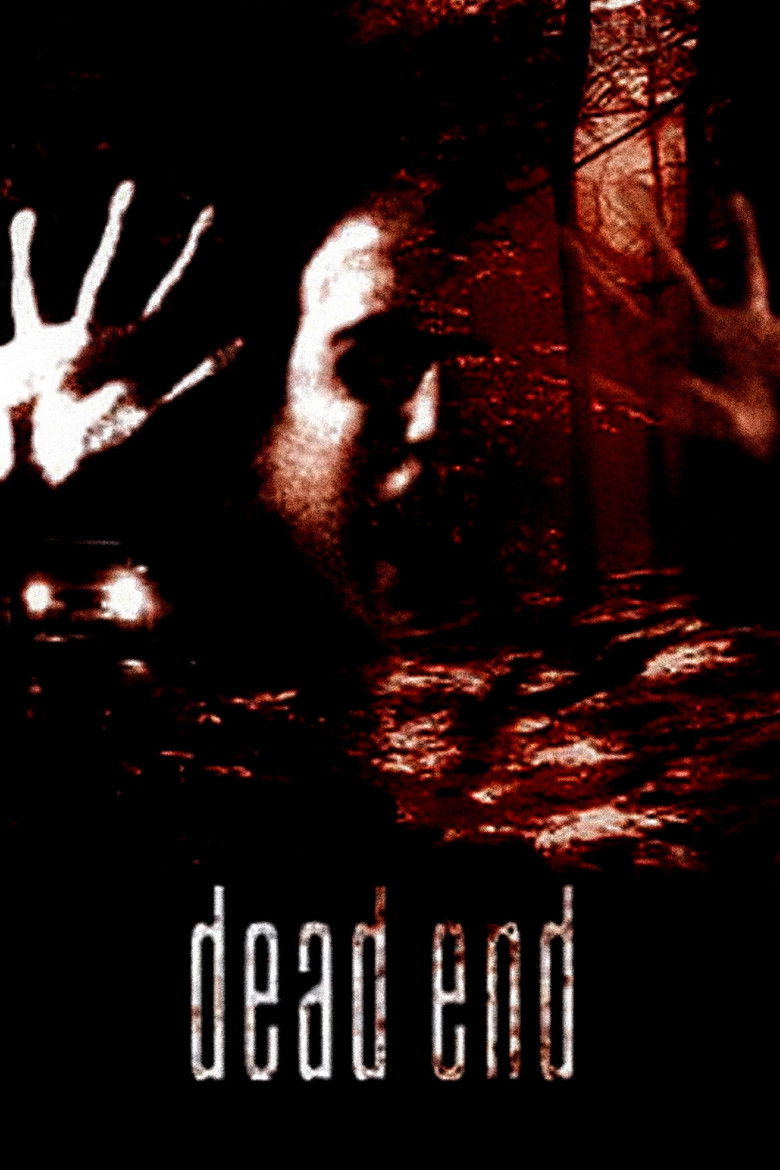
Every year, as the holiday season approaches, a certain type of horror fan whispers about Dead End. It's often relegated to the 'cult classic' bin, a film appreciated by a niche few, but rarely given the critical due it deserves. The popular narrative paints it as a quirky, low-budget horror flick – charming, perhaps, but ultimately a minor player in the genre. This March 2026, I'm here to tell you that this narrative is fundamentally, utterly wrong. "Charming" doesn't begin to cover it. "Minor" is a cinematic injustice.
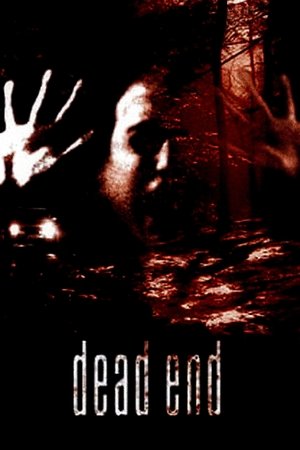
Why Dead End Is a Must-Watch Cult Horror
This isn't just another spooky road trip. Dead End is a tightly wound spring of existential dread and dark humor that will stick with you long after the credits roll. Here's why it deserves your immediate attention:
- Masterful Atmospheric Tension: It foregoes cheap jump scares for insidious, building dread.
- Brilliant Character Dynamics: The dysfunctional family bickering is both hilarious and unsettling.
- Genius Existential Twist: The film's ending recontextualizes everything, elevating it beyond typical horror.
- Unforgettable Visuals: Simple yet profoundly disturbing imagery that haunts the subconscious.
The Road to Ruin: More Than Just a Slasher
What many casual viewers fail to grasp about Dead End is its audacious commitment to psychological horror over cheap thrills. Directed by Jean-Baptiste Andrea and Fabrice Canepa, this isn't a film that relies on gore or jump scares to terrify. Instead, it meticulously crafts an atmosphere of inescapable unease. The endless, unmarked road, the disappearing landmarks, the mysterious woman in white holding a baby – these elements coalesce into a nightmare logic that feels both surreal and terrifyingly plausible. Every creaking sound, every off-kilter exchange between the perpetually bickering Harrington family, serves to tighten the screws of dread, making the viewer a passenger on their descent into madness.
Ray Wise, as the patriarch Frank Harrington, delivers a performance that oscillates between exasperated father and utterly unhinged man, often within the same breath. His portrayal is the anchor in this storm of absurdity, perfectly complemented by Alexandra Holden as the increasingly frantic Marion. Their family squabbles, often darkly comedic, are not just comic relief; they are the pressure cooker in which the horror brews, amplifying the sense that these characters are trapped not just on a road, but within their own toxic relationships and regrets. This is a stark contrast to the often one-dimensional casts of many contemporary horror films, where characters exist purely to be victims.
The Other Side of the Road: Why Some Miss the Turn
Admittedly, Dead End isn't a blockbuster. Its independent budget is visible in its no-frills production, and its pacing is a slow, methodical burn rather than a high-octane sprint. For viewers accustomed to the immediate gratification of a Scream 7 or a Saw entry, the film's deliberate build-up and reliance on psychological terror might feel like a drag. It demands patience and a willingness to be unsettled, rather than just startled. Its dark humor, too, can be an acquired taste, often veering into uncomfortable territory that might not land for everyone.
My Verdict: Take the Detour
But these perceived weaknesses are precisely what make Dead End a masterpiece. The limited setting, far from being a constraint, becomes a character in itself, enhancing the claustrophobia. The slower pace allows the psychological horror to truly seep into your bones. And the ending? Without spoiling it, the final reveal is a stroke of narrative genius that recontextualizes the entire film, transforming it from a simple scary story into a poignant, terrifying meditation on grief, denial, and fate. It’s a gut-punch that few horror films dare to deliver, let alone execute so flawlessly. While other films are praised for being Underrated Films: Our Brutal 2026 Scorecard, Dead End stands apart by being truly overlooked.
If you're tired of formulaic horror and crave a film that genuinely gets under your skin with its intelligence and atmosphere, do yourself a favor: ditch the predictable blockbusters. Turn off the main road, and take a trip down the Dead End. You might just discover your new favorite cult classic. This is the perfect antidote to the bland, focus-grouped scares flooding the streaming services this March 2026. Like this post if you're ready for some real chills!
FAQ
What kind of horror is Dead End?
Dead End is primarily a psychological horror film with elements of dark comedy and a strong atmospheric build-up, rather than relying on gore or jump scares.
Is Dead End a good movie for a horror night?
Yes, if you appreciate films that prioritize psychological tension, character dynamics, and a clever narrative twist over constant action or explicit violence, Dead End is an excellent choice for a unique horror night.
Who are the directors of Dead End?
Dead End was co-directed by French filmmakers Jean-Baptiste Andrea and Fabrice Canepa, marking their feature film debut.