When Laughter Meets Tears: Decoding Dark Comedy & Tragedy Films
Explore how master filmmakers blend profound sadness with sharp humor, crafting unforgettable cinematic experiences that reflect the complex human condition.

Ever found yourself laughing uncomfortably at a scene that's undeniably bleak, only to feel a pang of profound sadness moments later? Welcome to the captivating, often unsettling, world of dark comedy and tragedy films. These cinematic masterpieces don't shy away from life's grim realities; instead, they embrace them, using humor as a coping mechanism, a stark contrast, or even a twisted mirror to human suffering. It's a delicate dance between the absurd and the heartbreaking, creating an emotional spectrum that resonates deeply and lingers long after the credits roll. As we move through March 2026, it's the perfect time to explore how these unique storytelling approaches continue to captivate audiences and critics alike.
Exploring the Nuances of Dark Comedy and Tragedy Films
This article delves into the intricate art of blending humor and profound sadness in cinema, highlighting:
- The inherent appeal and psychological impact of gallows humor in storytelling.
- How contemporary films like Die My Love navigate the complexities of mental health and family tragedy with a darkly comedic edge.
- The enduring power of classic narratives, re-imagined through a tragic and darkly ironic lens, as seen in the latest take on Frankenstein.
- The masterful techniques filmmakers employ to elicit both laughter and tears, often simultaneously, creating a richer, more authentic reflection of life.
The Art of the Uncomfortable Laugh
Dark comedy, often intertwined with tragic themes, thrives on incongruity. It finds humor in situations that would typically evoke distress, discomfort, or despair. This isn't about making light of serious issues; rather, it's about exploring the absurdities that often accompany suffering, the coping mechanisms we employ, and the sheer strangeness of existence. Tragedy, on the other hand, dives headfirst into human sorrow, loss, and the inevitable downfall of characters, often due to a fatal flaw or insurmountable circumstances. When these two forces combine, the result is a potent cocktail that challenges viewers, forcing them to confront uncomfortable truths while occasionally offering a moment of cathartic, albeit dark, laughter.
It's a genre that demands nuance, requiring writers and directors to walk a tightrope, ensuring the humor doesn't trivialize the pain, and the tragedy doesn't completely overwhelm the audience. The best films in this vein offer a unique form of emotional processing, allowing us to grapple with difficult subjects in a way that feels both profound and, surprisingly, often very human.
Navigating Despair with Dark Wit: The World of Die My Love

Based on the acclaimed novel by Ariana Harwicz, the film Die My Love offers a compelling example of a narrative steeped in tragedy, yet infused with moments of unsettling, dark humor. The story centers on a woman grappling with severe mental illness and her family's desperate attempts to cope. It's a raw, unflinching look at the breakdown of a mind and the ripple effect it has on those closest to her. The tragedy here is palpable: the loss of self, the strain on relationships, the helplessness in the face of an internal struggle.
However, the film masterfully weaves in darkly comedic elements through the sheer absurdity of some situations, the heightened reactions of characters, and the protagonist's own unconventional outlook. Her perspective, skewed by her condition, can lead to darkly funny observations or actions that, while disturbing, highlight the bizarre reality she inhabits. This isn't laugh-out-loud comedy; it's the kind of humor that makes you wince, a gallows humor that acknowledges the bleakness while finding a strange, almost defiant, light within it. It's a powerful exploration of how people find ways to exist, even find glimpses of something resembling humor, amidst profound sorrow.
A Modern Reimagining of a Classic Tragedy: Frankenstein

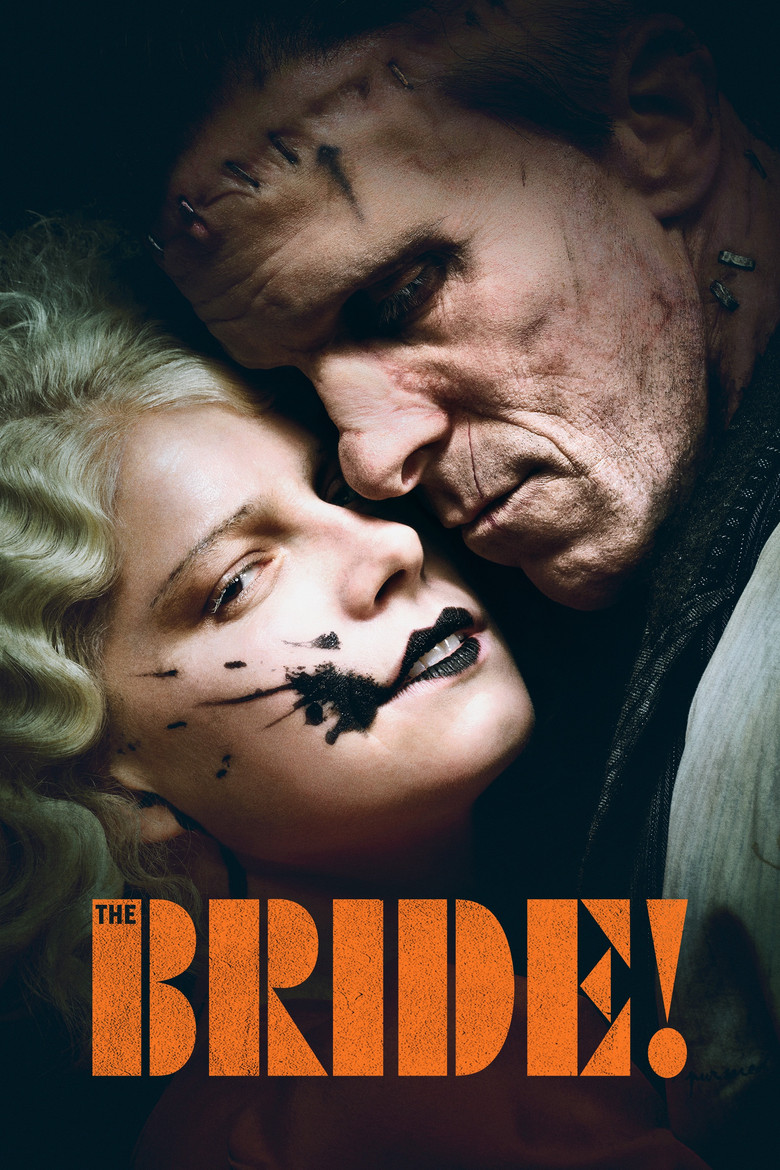
Mary Shelley's original 'Frankenstein' is, at its core, a profound tragedy – a cautionary tale of ambition, abandonment, and the monstrous consequences of playing God. Guillermo del Toro's highly anticipated 2024 adaptation of Frankenstein promises to lean into these tragic elements with his signature blend of gothic beauty and emotional depth. While primarily a horror and drama, del Toro's work often contains a darkly ironic sensibility, where the grotesque can be strangely beautiful, and the horror can be tinged with a macabre humor born from human folly.
Consider the inherent dark comedy in the very premise: a man so obsessed with creation that he brings life to a being he then utterly rejects, leading to a cascade of tragic events. The monster's struggle for acceptance, his unintended violence, and the ultimate destruction of his creator's life are all deeply tragic. Yet, moments of dark irony can arise from Victor Frankenstein's hubris, the societal rejection of the Creature, or the sheer, desperate futility of their intertwined fates. This kind of reinterpretation highlights the timeless appeal of stories that refuse to fit neatly into one genre, proving that classic horror can still deliver profound emotional resonance. For more on how horror narratives evolve, check out our piece on New Horror Movies 2026: Decoding Modern Scares.
Why We Seek the Bitter-Sweet Blend
The enduring popularity of dark comedy and tragedy films speaks volumes about the human desire to process complex emotions. Life isn't neatly categorized into 'happy' or 'sad'; it's a messy, beautiful, often painful blend of both. These films provide a mirror to that reality, allowing us to laugh at the darkness, weep at the absurdity, and ultimately, feel more deeply connected to the human experience. They subvert expectations, challenge our perceptions, and leave us contemplating the profound interplay between joy and sorrow.
From indie darlings to big-budget productions, filmmakers continue to push the boundaries of these genres, offering fresh takes and compelling narratives that resonate. It's a reminder that sometimes, the most insightful stories are found at the intersection of laughter and tears. Like this post if you appreciate the nuanced storytelling of dark comedy and tragedy films!
For more explorations into unique cinematic narratives, don't miss our article on 2026's Cinematic Canvas: Fresh Takes & Fan Favorites.
FAQ
What defines a dark comedy film?
Dark comedy films explore morbid, grotesque, or taboo subjects with humor, often using satire, irony, or cynicism. The humor often serves to highlight the absurdity or tragedy of the situation rather than to diminish its seriousness.
How do tragedy films differ from dramas?
While all tragedy films are dramas, not all dramas are tragedies. Tragedy specifically focuses on the downfall of a protagonist due to a fatal flaw, external forces, or a combination, leading to a sense of profound sadness, loss, and often catharsis. Dramas can have various outcomes, including positive ones, and don't necessarily center on a character's inevitable collapse.
Why do audiences enjoy films that blend dark humor and tragedy?
Audiences are drawn to these films because they reflect the complex, often contradictory nature of real life. The blend allows for emotional release through laughter in difficult situations, helps process uncomfortable truths, and creates a more authentic and memorable viewing experience that resonates deeply with the human condition.