Danny Boyle's Return: Deconstructing the '28 Years Later' Vision
As '28 Years Later: The Bone Temple' trends, we delve into Danny Boyle's signature style, recurring themes, and how his latest work stacks up against a legendary filmography.
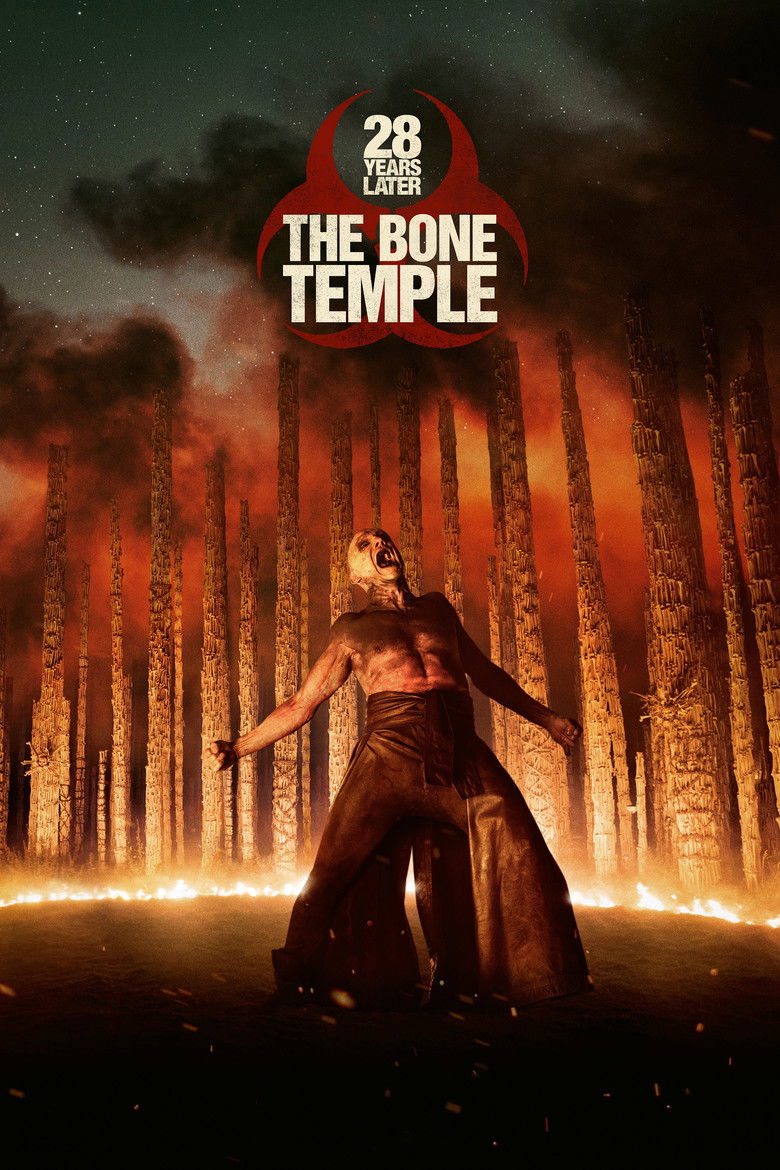
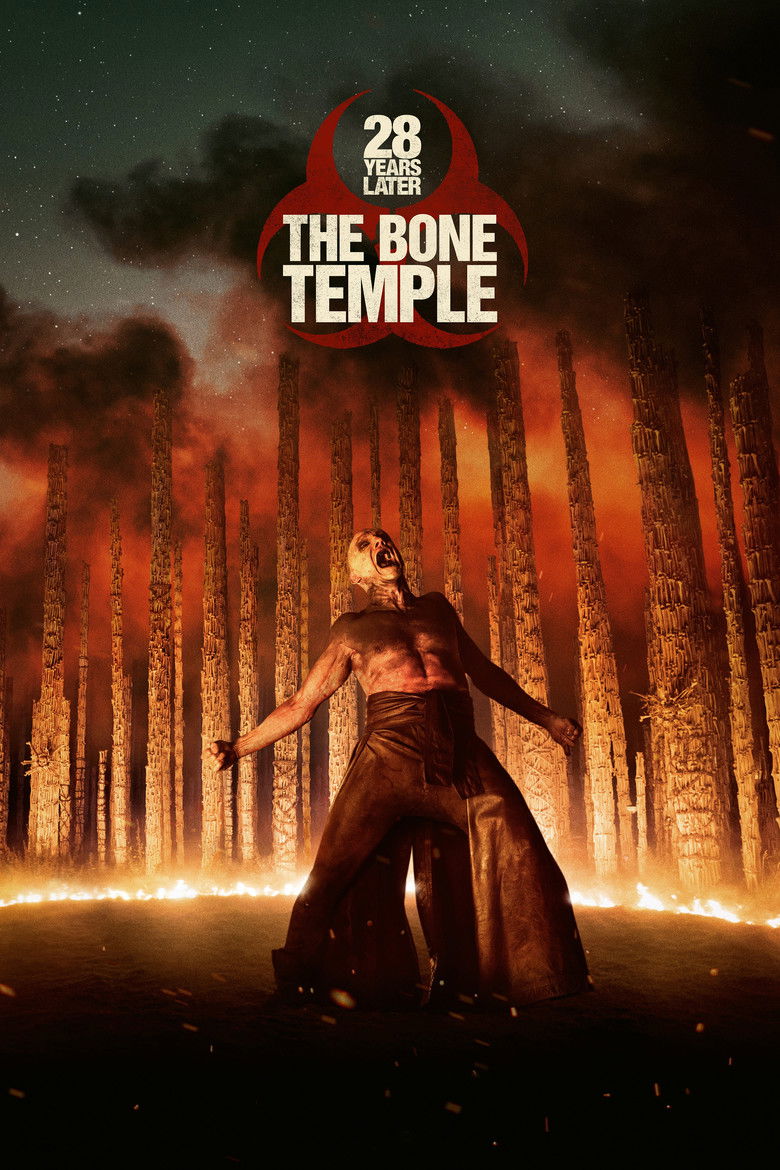
February 26, 2026 – In the ever-evolving landscape of cinematic storytelling, few directors possess the distinct, kinetic energy of Danny Boyle. His name alone evokes a certain style: vibrant, intense, and often unflinchingly real. So, when news broke that Boyle was returning to the universe he so famously created with 28 Days Later, the excitement was palpable. Now, as 28 Years Later: The Bone Temple captures the trending spotlight, it's the perfect moment for Lit-Pop to dive deep into the mind of the visionary director and explore the unique mark he leaves on every frame.

The Visionary Behind the Lens: Danny Boyle's Distinctive Mark
Danny Boyle isn't just a director; he's a force of nature. His filmography is a testament to an eclectic and fearless approach, spanning genres with a consistent thread of raw human experience. From the gritty, drug-addled streets of Edinburgh in Trainspotting to the dazzling, improbable triumph of Slumdog Millionaire, Boyle has consistently pushed boundaries and redefined cinematic language. He's a master of crafting worlds that feel both hyper-stylized and deeply authentic.
What defines a "Danny Boyle film"? It's a combination of signature stylistic flourishes and recurring thematic obsessions. Visually, his films often employ rapid-fire editing, saturated color palettes, and innovative camera work that places the audience directly in the character's shoes. Think of the disorienting, feverish opening of 28 Days Later or the breathtaking, isolated grandeur of Sunshine. Musically, he's known for his impeccably curated soundtracks, which become integral to the film's emotional landscape, elevating scenes from mere narrative beats to visceral experiences. But beyond the aesthetics, Boyle frequently explores themes of survival, identity in crisis, redemption, and humanity's often-fragile relationship with societal structures and its own primal instincts.
A Return to the Undead: '28 Years Later: The Bone Temple'
The original 28 Days Later wasn't just a horror film; it was a seismic shift in the zombie genre. With its fast-moving "infected," stark digital cinematography, and profound exploration of human depravity in the face of apocalypse, it redefined what a horror film could be. It cemented Boyle's reputation as a director unafraid to blend intense genre thrills with profound social commentary and character-driven drama. The film's critical and commercial success launched a new wave of zombie narratives and left an indelible mark on pop culture.
Now, with 28 Years Later: The Bone Temple, Boyle is poised to revisit this beloved, terrifying universe. The anticipation isn't just for another chapter in the saga, but for how Boyle's evolved vision will shape it. How will his signature kinetic energy translate to a world two decades removed from the initial outbreak? Will the stark, almost documentary-style realism of the original give way to a more expansive, perhaps even more philosophical horror? Early buzz suggests a continuation of the intense atmosphere and character focus, promising a deeper dive into the societal decay and human struggle that were hallmarks of the first film.
Boyle's Enduring Themes and Aesthetic in 'The Bone Temple'
The beauty of Boyle's return lies in the potential for him to further explore the themes that have captivated him throughout his career. 28 Years Later: The Bone Temple provides a fertile ground for examining humanity's resilience, its capacity for both cruelty and compassion, and the enduring question of what it means to be human when civilization crumbles. His aesthetic, known for its immersive quality, promises to plunge audiences back into a world both familiar and horrifyingly new. We can expect the same unflinching gaze at violence, coupled with moments of poignant beauty and hope, all underscored by a soundtrack that will undoubtedly burrow into our collective consciousness.
Comparing The Bone Temple to his other works, we see Boyle's consistent commitment to high-stakes narratives where characters are pushed to their absolute limits. Whether it's the harrowing survival story of 127 Hours or the psychological intensity of Trance, Boyle excels at putting his protagonists through the wringer, forcing them to confront their inner demons alongside external threats. His return to the 28 Days Later universe feels like a natural extension of these interests, allowing him to revisit a world ripe for exploring the darkest corners of the human condition and the enduring, fragile glimmer of hope.
In an era saturated with cinematic universes and reboots, Danny Boyle's return to direct 28 Years Later: The Bone Temple is more than just another sequel. It's an opportunity to witness a master filmmaker revisit his groundbreaking work, bringing with him decades of evolved storytelling and a signature style that continues to captivate and challenge audiences. For fans of intelligent horror and distinctive directorial vision, February 2026 promises a chillingly brilliant cinematic experience that only Boyle can deliver.