Beyond the Blockbuster Hype: Why Quirky Cult Classics Endure
In a cinematic landscape dominated by algorithms, the true treasures often hide in plain sight. We unearth the genre-bending gems that demand your attention, from horror-comedy to surreal satire.
The cinematic landscape of 2026 is a battlefield of IPs, sequels, and algorithms, pushing what’s popular into an inescapable echo chamber. Yet, beneath this cacophony, a profound cultural phenomenon persists: the enduring, often belated, triumph of the cult classic. These aren't just 'underrated movies'; they are defiant acts of creativity that, despite initial mainstream apathy, forge their own legacy through sheer, unadulterated brilliance. They challenge genre, defy easy marketing, and ultimately, find their fiercely loyal audiences not through marketing blitzes, but through genuine, impassioned word-of-mouth. This isn't just about missing a box office target; it's about the industry's inability to categorize and thus, effectively champion, true originality.
Unearthing Underrated Cinematic Gold
For those weary of predictable narratives and pre-digested content, a universe of cinematic wonders awaits. This article will help you navigate the noise to discover films that, against all odds, carved out their own indelible niche.
- The enduring appeal of cult horror-comedies that subvert expectations.
- Dark humor's critical role in delivering sharp social commentary.
- Navigating algorithmic bias to uncover genuine cinematic treasures.
- The rise of niche audiences and digital discovery as the new mainstream.
The Case for Unconventional Brilliance: Tucker and Dale vs. Evil
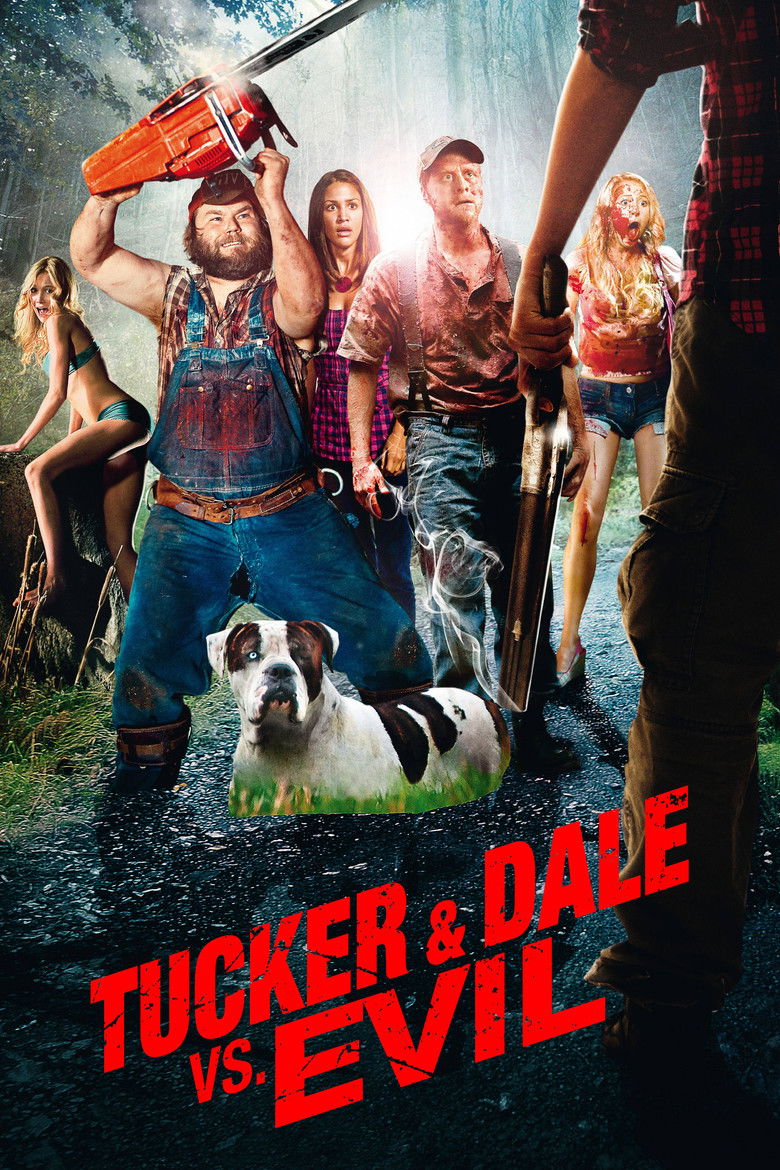
Look no further than Tucker and Dale vs. Evil as a prime example of a film that was criminally overlooked upon its 2010 release, only to explode into a beloved cult classic. This isn't just a horror-comedy; it's a masterful subversion of the entire 'hillbilly horror' trope.
Directed by Eli Craig, the film flips the script by portraying two genuinely sweet, if simple, West Virginia good ol' boys, Tucker (Alan Tudyk) and Dale (Tyler Labine), as they repeatedly find themselves in hilariously gory misunderstandings with a group of prejudiced, privileged college kids. The genius lies in its unwavering commitment to its premise: every grisly death is an accident, every stereotype is dismantled with a wink and a chainsaw. It’s a testament to how intelligent humor, combined with surprisingly effective scares, can create something truly special. The film's critical reception was strong, but mainstream audiences were hesitant, probably confused by its genre-bending audacity. Yet, it's precisely this audaciousness, this refusal to play by predictable rules, that makes it such a vital watch today. It’s a hilarious, heartfelt, and shockingly clever film that deserves every ounce of its newfound adoration.
When Humor Gets Dark: Heathers and the Art of the Unsettling
Decades before Tucker and Dale messed with genre conventions, Heathers (1988) carved its own darkly comedic, unsettling path. Much like modern meta-comedies, which we explored in Meta-Humor Reigns: Why 2026 Comedies Are Smarter, Not Safer, Heathers wasn't afraid to go places mainstream cinema wouldn't touch.
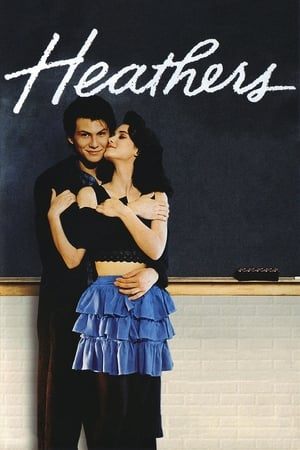
This iconic dark comedy starring Winona Ryder and Christian Slater took the glossy veneer of 80s teen movies and plunged it into a nihilistic, darkly witty spiral of murder and social commentary. Its biting dialogue and unapologetic cynicism about high school cliques and societal pressures were revolutionary. While it's now rightly considered a classic, it struggled initially to find its footing with audiences accustomed to John Hughes's more saccharine portrayals of adolescence. Heathers proved that challenging, uncomfortable humor could be profoundly insightful, and its initial struggle highlighted a perennial truth: audiences often need time to catch up to truly innovative storytelling, especially when it's wrapped in satire as sharp as a stiletto heel.
Mind-Bending Narratives: Being John Malkovich's Legacy
And then there's Being John Malkovich, a film that didn't just bend genres, it folded them into a pretzel and served them with a side of existential dread.
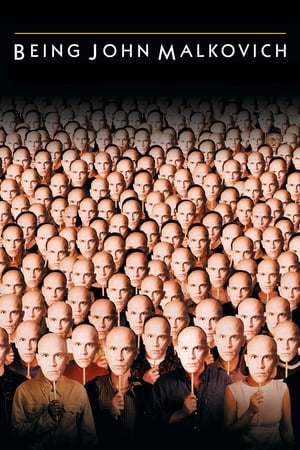
Released in 1999, Spike Jonze's directorial debut, with a script by Charlie Kaufman, is a surreal masterpiece. The premise—a puppeteer discovers a portal leading directly into the mind of actor John Malkovich—is so bizarre, so utterly unique, that it’s a wonder it ever got made. While critically acclaimed, earning three Oscar nominations, it never achieved mainstream blockbuster status. Its brilliance lies in its fearless originality, its philosophical depth, and its utterly unforgettable performances. Like Tucker and Dale and Heathers, it’s a film that demands an audience willing to be challenged, to think, and to revel in the sheer audacity of its vision. These films are the antithesis of the focus-grouped, mass-produced content clogging our streaming queues; they are singular artistic statements that thrive on the edges of conventional cinema, patiently waiting for discovery.
The Modern Predicament: Algorithms vs. Auteurs
Why do these cinematic marvels continue to fly under the radar for so long? In today's landscape, it's often a fatal combination of unconventional marketing, niche genre appeal, and the relentless, homogenizing force of algorithmic curation. If a film doesn't fit neatly into a pre-defined box, if it isn't based on an existing IP, or if its tone is too complex, it risks being shunted aside. Streaming platforms, for all their promise of discovery, often push us toward the familiar, reinforcing popular taste rather than cultivating genuine exploration. This makes the hunt for truly underrated films an act of rebellion, a conscious choice to seek out the extraordinary beyond the 'trending now' tab.
The Future of Discovery: Niche Triumphs
The good news is that these overlooked gems don't stay buried forever. The internet, for all its algorithmic pitfalls, also provides a space for fervent fan communities to coalesce and champion their favorites. Social media, critical blogs, and dedicated forums act as powerful engines of belated discovery. The future of cinema isn't solely in the hands of the studios and their marketing budgets; it's increasingly shaped by discerning audiences who value originality, wit, and genuine artistic vision. These films prove that quality, no matter how unconventional, will eventually find its rightful place in the pantheon of cinematic greatness, one passionate recommendation at a time. Like this post, you should like it.
FAQ
What defines a 'cult classic'?
A cult classic is a film that, despite initial commercial underperformance or mixed reviews, gains a dedicated, passionate fanbase over time, often due to its unique style, subversive themes, or genre-defying nature.
Why do great movies get overlooked by mainstream audiences?
Often due to unconventional marketing, niche genres, limited distribution, or simply being ahead of their time, making it difficult for mainstream audiences to connect initially amidst a crowded market.
How can I find more hidden movie gems beyond mainstream recommendations?
Explore curated lists from independent critics, delve into online communities dedicated to specific genres or directors, or actively seek out films that challenge typical algorithmic suggestions.