Meta-Humor Reigns: Why 2026 Comedies Are Smarter, Not Safer
From cartoon lawsuits to chaotic ensembles, the upcoming year's most anticipated laughs prove audiences demand wit that deconstructs, not just distracts.
The persistent lament that "comedy is dead" has become as stale as a five-year-old stand-up special. What's truly happening isn't an expiration, but an evolution. Audiences, savvy and cynical from a decade of IP over-saturation and algorithmic blandness, are no longer content with easy laughs. They crave humor that mirrors their own self-awareness, that winks at the camera, and isn't afraid to poke fun at the very fabric of storytelling itself. 2026 is poised to be the year meta-comedy cements its reign, delivering laughs that are as intellectually stimulating as they are gut-busting.
Why is Comedy Evolving? What Are Audiences Seeking in 2026?
- Meta-Narratives & Self-Awareness: Humor that acknowledges its own artificiality and the conventions of film.
- IP Subversion: A demand for fresh, often critical, takes on beloved intellectual properties, not just lazy reboots.
- Ensemble Brilliance: Films that leverage intricate character dynamics and multiple comedic voices.
- Absurdism & Dark Humor: A growing appetite for the bizarre, the unexpected, and humor that isn't afraid to get a little uncomfortable.
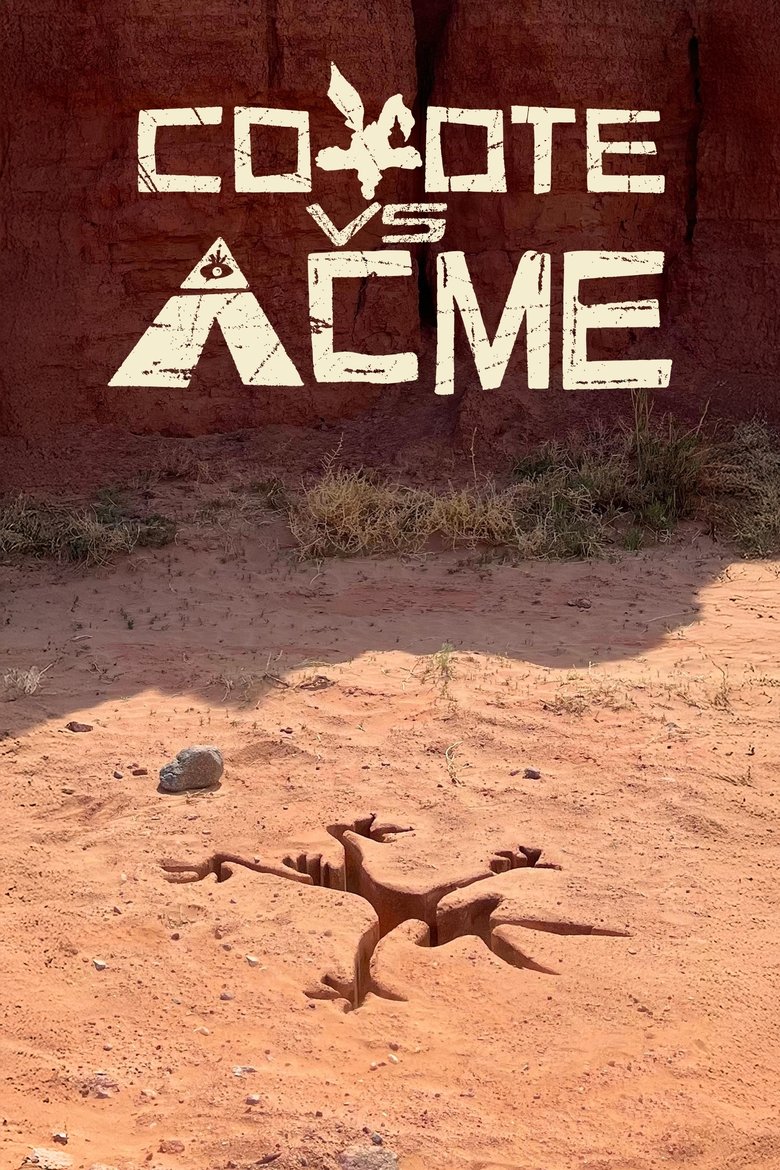
Our primary example for this cultural shift is none other than the legendary animated trickster taking on corporate America: Coyote vs. Acme.

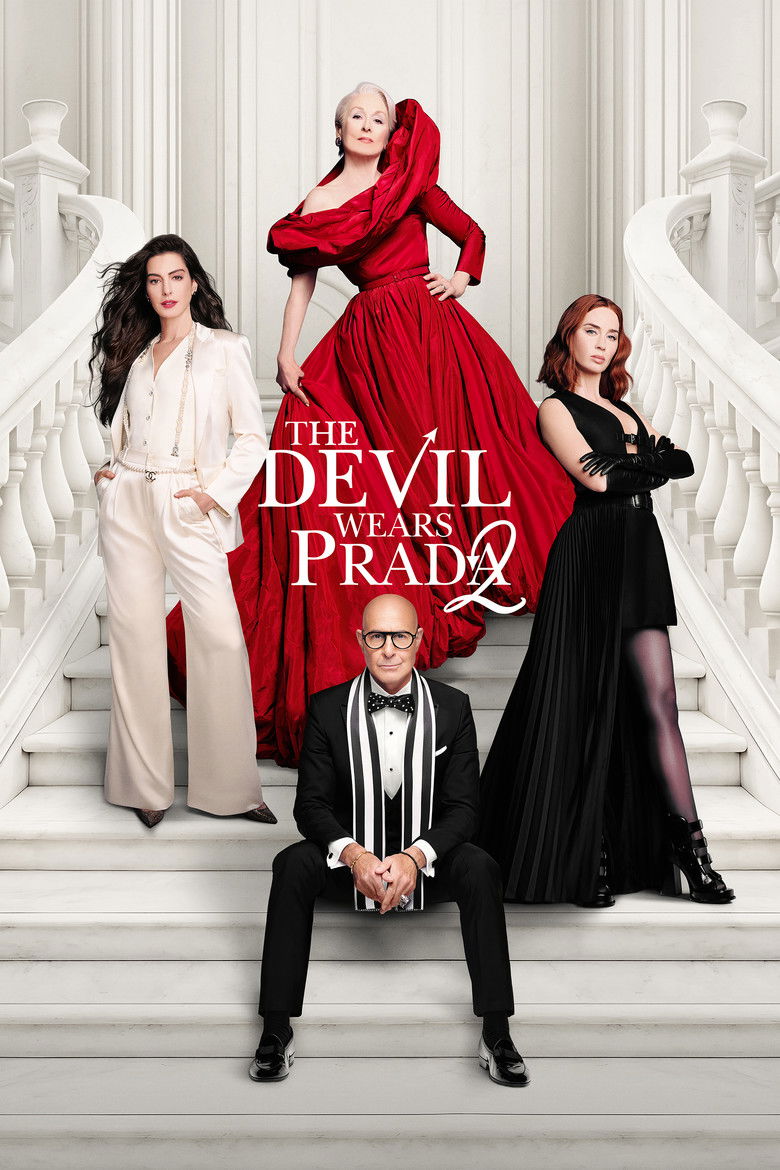
This film, with its very premise — Wile E. Coyote suing the Acme Corporation for their faulty products — is a masterclass in meta-humor. It's not just a cartoon; it's a commentary on consumerism, legal absurdity, and the very nature of the Looney Tunes universe itself. The protracted, almost theatrical, saga of its release, caught in studio limbo and nearly shelved, only amplified its meta-narrative, transforming its production into a real-world satire of corporate gatekeeping versus artistic vision. Audiences aren't just anticipating a funny movie; they're eagerly awaiting a cultural moment, a film that dares to challenge the very hand that feeds it while delivering nostalgic slapstick with a brain. It’s exactly the kind of smart, subversive IP play that makes lazy sequels like the rumored The Devil Wears Prada 2 feel utterly antiquated. (Don't Fall for the 'Prada' Trap: Why That Sequel is a Bad Idea).
The hunger for this kind of intelligent chaos extends beyond single, iconic characters. Consider the buzz around Mike & Nick & Nick & Alice.
The title alone screams self-aware absurdity. With an ensemble cast and a premise that deliberately plays with multiplicity and identity, it promises a comedic experience that thrives on intricate character dynamics and a refusal to settle for conventional tropes. This isn't just a movie with jokes; it's a movie that is a joke, from its very conceptualization. It speaks to an audience that delights in unraveling layers of comedic misdirection and character-driven mayhem, a stark contrast to the paint-by-numbers comedies that too often plague our screens.
And then there’s Power Ballad.
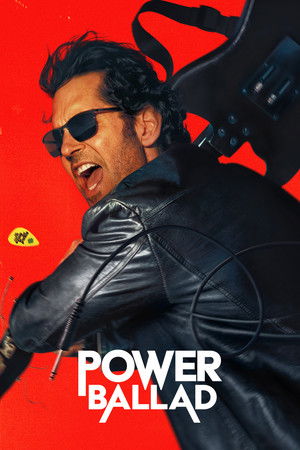
While details are scarce, the very name conjures images of heightened drama, ironic spectacle, and potentially a musical-comedy bent that leans into the grandiose to find humor in its excess. This points to a growing audience appreciation for experimental structures and unique comedic voices that aren't afraid to blend genres or push the boundaries of what a "comedy" can be. It’s an embrace of the specific and the bizarre, moving away from the lowest common denominator humor that Hollywood often pushes.
What does this cultural landscape tell us? Audiences are sharper than ever. They’ve binged everything, seen every trope, and have grown weary of being underestimated. They demand films that reflect their own critical engagement with media, stories that are not only funny but also smart about being funny. This isn't a call for every comedy to be highbrow; it's a demand for intentionality, for a comedic point of view that isn't afraid to be bold, weird, or even confrontational. The future of comedy isn't in broad strokes; it's in the precision of a well-placed, self-aware punchline. And frankly, it's about time.
Editor's Verdict
Editor's Rating: 9/10
Coyote vs. Acme stands as a defiant monument to meta-humor and creative resilience. It's poised to be a genuinely groundbreaking comedy that delivers both nostalgic warmth and razor-sharp satire. Like this post if you're ready for smarter laughs this year!
FAQ
What defines 'meta-comedy' in film?
Meta-comedy in film refers to humor that is self-referential, acknowledging its own artificiality, the conventions of its genre, or even the filmmaking process itself. It often breaks the fourth wall or comments on its own narrative.
Are classic comedy styles still relevant in 2026?
While traditional slapstick and broad humor continue to have an audience, modern viewers are increasingly drawn to comedies that offer social commentary, deconstruct popular tropes, or provide intellectual engagement alongside laughter. The classic styles are being reinterpreted through a meta-lens.
Why are so many anticipated comedies based on existing intellectual property (IP)?
Studios often leverage established IP for built-in audience recognition and reduced marketing risk. However, the most successful new comedies in this vein are those that subvert, satirize, or genuinely reimagine the IP, rather than simply rehashing old material without a fresh perspective.