Unpacking Cinematic Perfection: Why Some Films Last Forever
In an era of endless content, we dissect what truly makes a film 'perfect' and why classics like 'The Godfather' still dominate our screens and conversations.
In an age of endless content, where new titles flash and fade faster than a TikTok trend, there's a particular kind of cinematic immortality reserved for films deemed "perfect." These aren't just critically acclaimed; they possess a universal resonance, a mythic quality that transcends generations and cultural shifts. They become the benchmarks, the gold standard against which all others are measured. Why do we, as an audience saturated with fleeting entertainment, still return to these monumental achievements? It's because true cinematic perfection isn't just about technical brilliance; it's about a profound emotional and intellectual impact that redefines what film can be.
Unraveling Cinematic Perfection: Why Some Films Endure
When we talk about "perfect movies" or "timeless cinema masterpieces," what exactly are we searching for? This article dissects the enduring legacy of films that achieve universal acclaim, exploring: * The essential ingredients of an "unforgettable movie" that critics and audiences adore. * How narrative depth, character arcs, and thematic power create lasting resonance. * The role of directorial vision and technical execution in elevating a film to legendary status. * What the continued reverence for these cinematic giants reveals about modern audiences' desires.
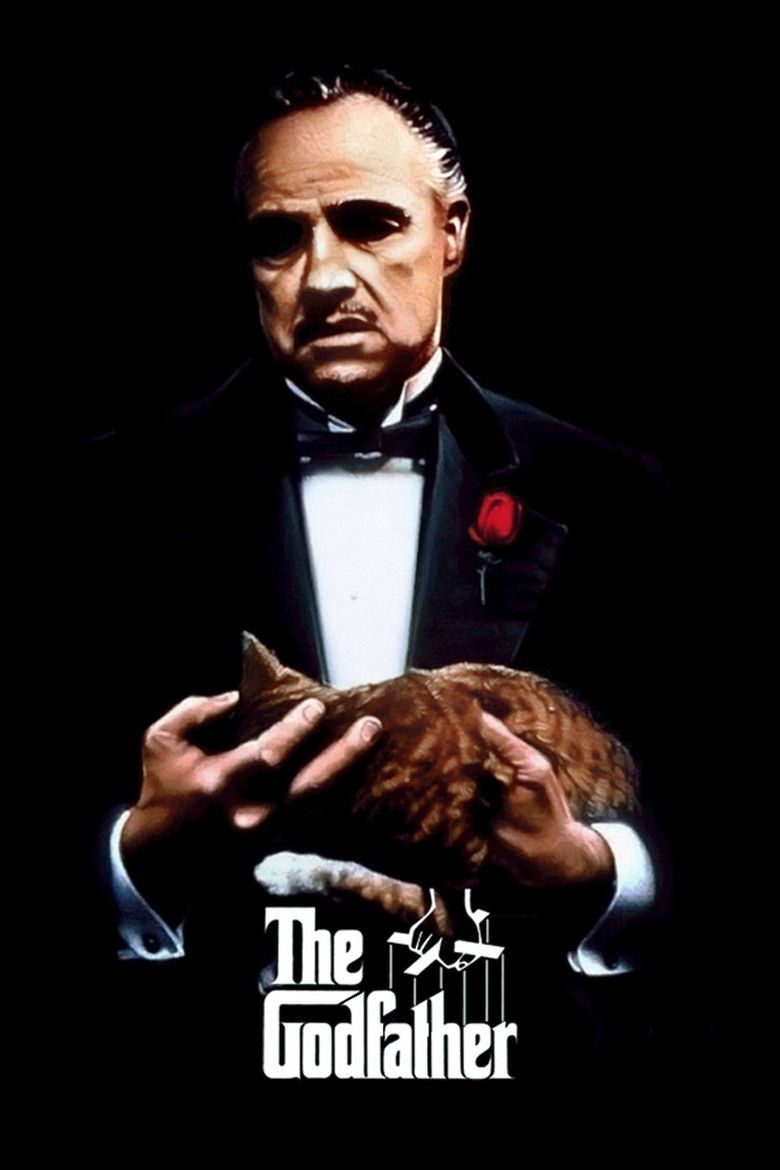
The Apex of Human Drama: The Godfather
The Godfather isn't just a movie; it's a cultural institution.
 Francis Ford Coppola’s 1972 epic is the cinematic equivalent of a Shakespearean tragedy, a sprawling, intimate study of power, family, and the corrupting influence of the American dream. Its perfection lies not in a sterile flawlessness, but in its audacious ambition and meticulous execution. From the opening scene, where Bonasera asks for justice in a perfectly lit, hushed room, to Michael Corleone's terrifying ascent, every frame is a masterclass. Marlon Brando's Vito Corleone, a performance so iconic it borders on caricature yet remains profoundly human, embodies the film’s central paradox: a monstrous man driven by a twisted code of honor. The dialogue is quotable, the cinematography is Rembrandt-esque, and the score by Nino Rota is haunting. It's a film that understands human nature at its most brutal and vulnerable, making its story as relevant today as it was half a century ago. It’s no wonder it consistently tops lists of the Myth of Perfection: Deconstructing Cinema's 100% Club.
The Cosmic Ambition: 2001: A Space Odyssey
If The Godfather perfected the human drama, Stanley Kubrick’s 2001: A Space Odyssey perfected the cinematic essay.
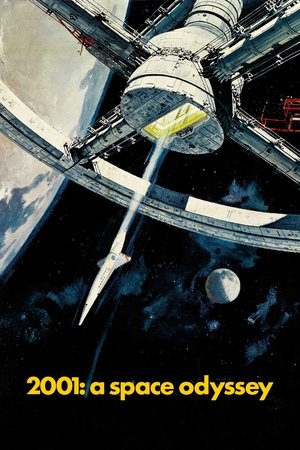 Released in 1968, this isn't a film you simply watch; it’s an experience you endure and then ponder. Its perfection is intellectual, a daring leap into abstract narrative and groundbreaking visual effects that redefined science fiction. Kubrick challenged audiences to engage with profound philosophical questions about humanity's evolution, artificial intelligence, and our place in the cosmos, all without resorting to heavy exposition. The Star Gate sequence, the chilling calm of HAL 9000, the ballet of spacecraft to Strauss's waltzes – these moments aren't just scenes; they are indelible imprints on the collective cinematic consciousness. It's a film that proves perfection can be found not just in emotional connection, but in radical intellectual provocation and aesthetic purity.
The Relentless Immersion: Das Boot
Then there's Wolfgang Petersen's Das Boot, a visceral, claustrophobic masterpiece of immersive storytelling.
 Its perfection lies in its relentless tension and unflinching portrayal of war's dehumanizing realities. Shot almost entirely within the cramped confines of a U-boat, the film drags the audience into the sweaty, greasy, terrifying existence of its crew. Every creak of the hull, every depth charge explosion, is felt with gut-wrenching immediacy. Petersen doesn't romanticize; he pulverizes. The long director's cut, in particular, builds an almost unbearable sense of dread, showcasing how sustained, focused narrative and technical virtuosity can create an experience so complete it feels less like watching a film and more like living it. This is perfection forged in the crucible of absolute realism and sustained psychological pressure.
What Audiences Crave: A Retreat from the Ephemeral
The enduring appeal of films like The Godfather, 2001: A Space Odyssey, and Das Boot in 2026 speaks volumes about what modern audiences truly crave. In an era where algorithms push endless, often disposable content, there's a profound hunger for substance. We are weary of the bland, the formulaic, the focus-grouped mediocrity that floods streaming services. These "perfect" films offer a sanctuary, a reminder of cinema's potential for transcendence. They demand engagement, reward rewatches, and spark conversations that resonate far beyond the final credits. Their continued reverence suggests a pushback against the fleeting and a yearning for art that truly lasts.
The Future of Perfection
What does this mean for the future? I predict a bifurcated cinematic landscape. On one side, the endless, algorithm-fueled content mill will continue, catering to casual consumption. But on the other, there will be an even greater appreciation for, and a conscious effort to seek out, films that aspire to this level of craft and vision. Filmmakers will be challenged to create not just "good" movies, but indelible experiences that stand against the tide of the ephemeral. Audiences, increasingly discerning, will demand more. The "perfect" film won't disappear; it will become a more precious, more sought-after commodity, a lighthouse in a sea of forgettable fare. If you appreciate the enduring quality of true masterpieces, consider liking this post and sharing your own thoughts on what makes a film perfect.
FAQ
What common elements define a 'perfect' film?
Perfect films often exhibit masterful storytelling, deeply developed characters, innovative direction, impactful thematic depth, and technical brilliance across cinematography, editing, and sound, all coalescing into a cohesive, profound experience.
Do 'perfect' films need to be universally loved by all audiences?
While critical consensus is a strong indicator, true cinematic perfection transcends mere popularity. It's about enduring artistic merit and cultural impact, often sparking deep discussion and multiple interpretations rather than just broad appeal.
Why do older films still resonate with modern audiences?
Timeless narratives, universal human themes, and groundbreaking artistic achievements allow older films to connect across generations. They often offer a level of depth and craft that stands apart from more trend-driven contemporary productions, providing a rich viewing experience that rewards engagement.