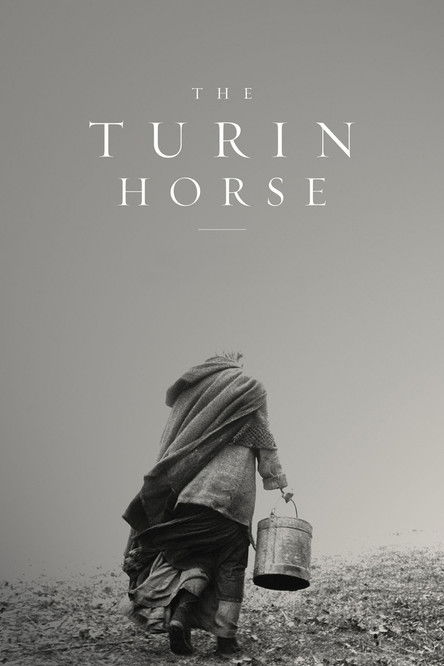
Beyond the Hype: Unearthing Cinema's Profound Hidden Gems
Forget the mainstream! Dive into these challenging, unforgettable films that will broaden your cinematic horizons this March 2026.

In the fast-paced world of streaming and endless content, it’s easy for truly remarkable films to slip through the cracks. While blockbusters and trending series dominate our feeds, a treasure trove of cinematic brilliance often awaits those willing to venture off the beaten path. This March 2026, Lit-Pop is inviting you to slow down, lean in, and discover some of the most profound, challenging, and ultimately rewarding films that deserve far more attention than they typically receive. These aren't just 'good movies you missed'; they are experiences that redefine storytelling, push boundaries, and leave an indelible mark on your soul. Are you ready to expand your cinematic palate?
Beyond the Blockbuster: Why Some Masterpieces Get Missed
Many of the films we're highlighting today hail from the world of international arthouse cinema. They often prioritize atmosphere, philosophical depth, and visual poetry over conventional narrative structures or rapid-fire pacing. This can make them less accessible to mainstream audiences accustomed to Hollywood's familiar rhythms. However, their contemplative nature, stunning cinematography, and unique perspectives offer a richness that few popcorn flicks can match. They are films that ask you to engage, to think, and to feel, offering immense rewards for the patient viewer. Let's unearth some of these truly exceptional, overlooked films.
Journey to the Afterlife with Uncle Boonmee Who Can Recall His Past Lives

Winner of the Palme d'Or at Cannes, Apichatpong Weerasethakul's 2010 masterpiece, Uncle Boonmee Who Can Recall His Past Lives, is a transcendent journey into memory, reincarnation, and the spiritual world. The film follows the titular Uncle Boonmee as he prepares for his death, visited by the ghost of his deceased wife and his lost son, who appears as a monkey ghost. This Thai film doesn't just tell a story; it creates an immersive, dreamlike state where the boundaries between life and death, human and spirit, blur. Its quiet contemplation, stunning natural landscapes, and gentle embrace of the surreal make it unlike almost anything you've ever seen. It flew under the radar for many due to its meditative pace and unconventional storytelling, but for those seeking a truly unique and deeply moving experience about the cycle of life, death, and remembrance, Uncle Boonmee is an absolute must-watch. It's a film that lingers, prompting reflection on our own existence and connection to the spiritual realm.
The Haunting Depths of Justice in Once Upon a Time in Anatolia

Nuri Bilge Ceylan is a titan of Turkish cinema, and his 2011 film, Once Upon a Time in Anatolia, is a testament to his profound artistry. This slow-burn procedural follows a group of men – policemen, a prosecutor, a doctor, and murder suspects – as they search for a buried body in the vast, desolate Anatolian steppe. What begins as a quest for a corpse evolves into a mesmerizing exploration of human nature, guilt, justice, and the quiet desperation of provincial life. Ceylan's masterful use of natural light and shadow, combined with long takes and sparse dialogue, creates an incredibly immersive and atmospheric experience. The film's power lies not in jump scares or plot twists, but in its meticulous observation of character and environment, revealing universal truths beneath the surface of a seemingly simple crime story. It's a challenging watch, demanding patience, but the rewards are immense, offering a deeply philosophical and visually stunning meditation on the human condition.
A Modern Epic of Crime and Consequence: Norte, the End of History
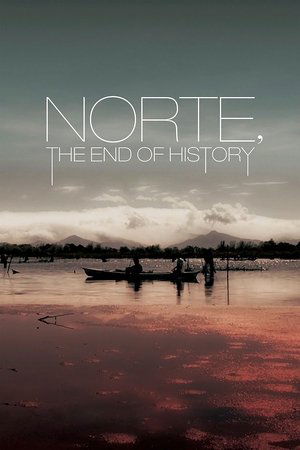
From the acclaimed Filipino director Lav Diaz, Norte, the End of History (2013) is an epic, four-hour-plus reimagining of Dostoevsky's Crime and Punishment, transplanted to contemporary the Philippines. Diaz is renowned for his extremely long, meditative films, which, while daunting in runtime, offer unparalleled depth and insight. This particular film focuses on Joaquin, a working-class man wrongly imprisoned for murder, and Fabian, the affluent, nihilistic law student who committed the crime. As their lives diverge, the film explores themes of justice, class, intellectual arrogance, and the long-lasting repercussions of moral choices. Its extended duration allows for a deep immersion into the characters' inner lives and the social fabric of the Philippines, making it a powerful, contemplative experience. Norte, the End of History is a film that demands commitment but rewards it with a profound and unforgettable exploration of human suffering and redemption, a true testament to the power of slow cinema.
The Subtle Art of Connection in Like Someone in Love

The late, great Iranian filmmaker Abbas Kiarostami left us with a legacy of beautifully understated and deeply human films, and his 2012 Japanese-language feature, Like Someone in Love, is a gem that often gets overlooked in broader discussions of his work. The film centers on Akiko, a young call girl in Tokyo, and her unexpected relationship with an elderly professor, Takashi, whom she is hired to visit. What unfolds is a delicate, ambiguous dance of assumed identities, unspoken desires, and the fragile connections that form between strangers. Kiarostami masterfully crafts a narrative that is both profoundly simple and endlessly complex, leaving much to the viewer's interpretation. The film's quiet observation, naturalistic performances, and subtle exploration of loneliness and companionship make it a poignant and thought-provoking experience. It's a reminder that true cinematic power often lies in what is left unsaid, in the spaces between words, and in the fleeting glances that reveal the depths of the human heart.
Your Next Deep Dive: Embracing the Unconventional
These films, while diverse in their origins and themes, share a common thread: they challenge us to rethink our notions of what cinema can be. They might not offer the immediate gratification of a Hollywood blockbuster, but they provide something far more enduring: a deeper understanding of the world, of humanity, and of the art of storytelling itself. They are slow cinema, contemplative cinema, and utterly essential viewing for anyone who truly loves film.
So, this March 2026, take a break from the predictable. Seek out these overlooked cinematic masterpieces. You might just find your new favorite film, or at the very least, a profound experience that stays with you long after the credits roll. Happy watching, Lit-Pop readers!