Why Ridley Scott's 'Alien' Still Terrifies Today
Decades after its release, Ridley Scott's sci-fi horror masterpiece, 'Alien,' continues to grip audiences, proving its enduring power amidst a new wave of cinematic scares.
Ever feel like the cinematic landscape is dominated by reboots, sequels, and shared universes? While there's certainly a thrill in anticipating the next installment of a beloved franchise like Scream 7 or the continuation of a chilling saga like 28 Years Later: The Bone Temple, sometimes the real magic lies in revisiting the foundations. Today, Lit-Pop is diving deep into a film that didn't just influence a genre; it redefined it. We're talking about Alien, Ridley Scott's 1979 sci-fi horror masterpiece, a movie that, nearly half a century later, remains an absolute masterclass in terror and atmospheric filmmaking.
A New Kind of Terror: 'In Space, No One Can Hear You Scream'
When Alien first landed in cinemas, it wasn't just a film; it was an experience. Director Ridley Scott, working from a script by Dan O'Bannon and Ronald Shusett, crafted a vision of space that was far from the clean, hopeful frontiers of Star Trek or Star Wars. This was space as a vast, indifferent, and terrifying void, a grimy, industrial setting where working-class astronauts just tried to do their job. The film's iconic tagline, "In space, no one can hear you scream," perfectly encapsulated its bleak, suffocating dread.
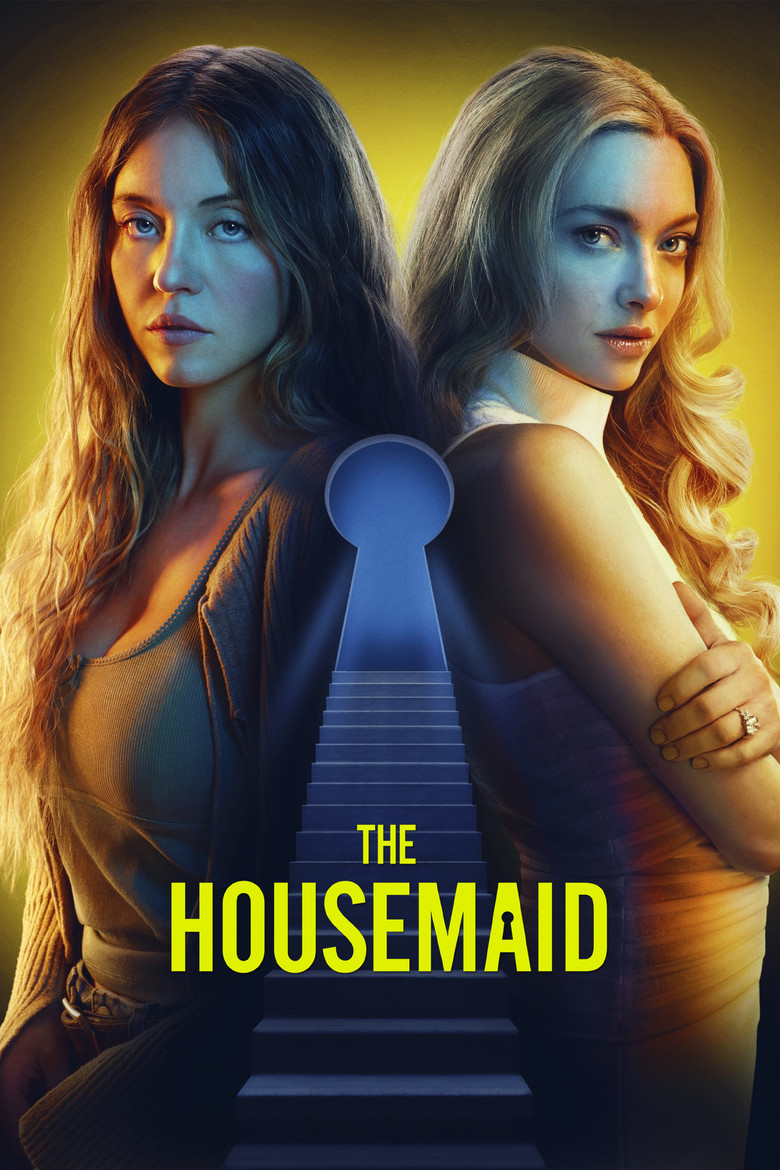
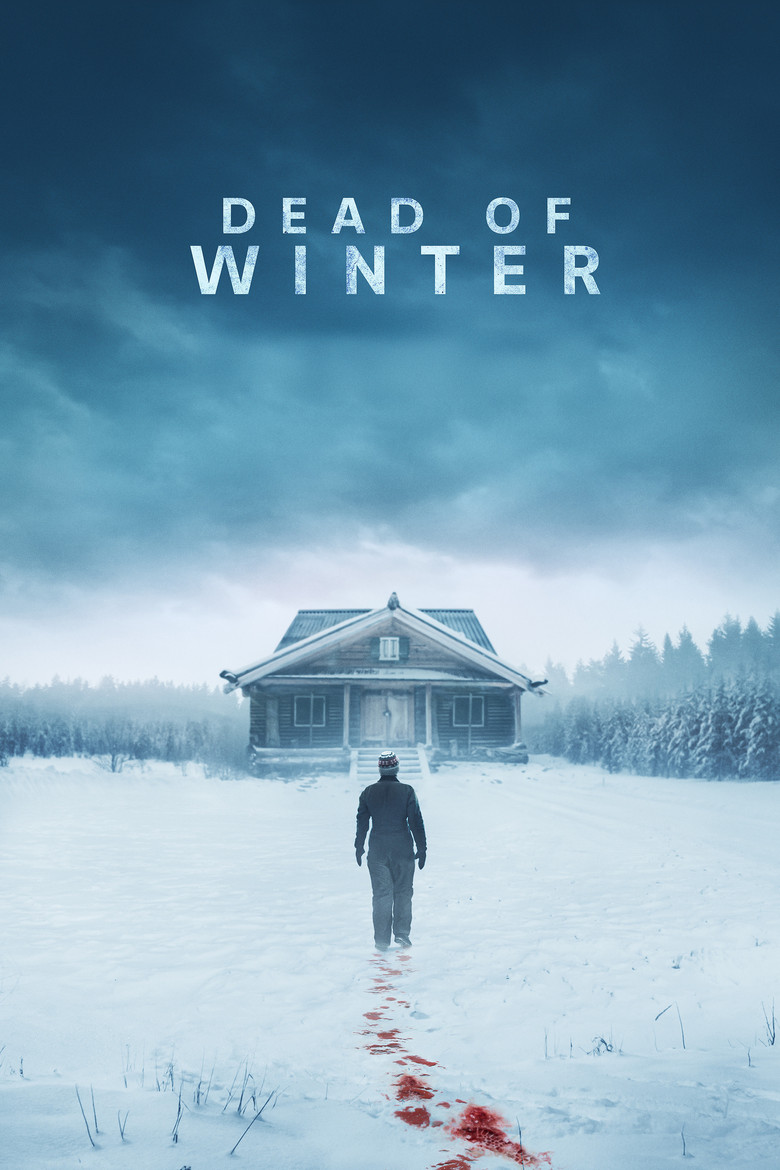
What makes Alien so enduringly terrifying isn't just the titular creature, though H.R. Giger's xenomorph design is undeniably one of cinema's greatest monsters. It's the slow, relentless build of suspense. Scott understood that what you don't see is often far scarier than what you do. The film is a masterclass in psychological horror, trapping its audience in claustrophobic corridors alongside the unsuspecting crew of the Nostromo, each moment ratcheting up the tension until the explosive, visceral horror of the xenomorph's arrival. This slow-burn approach, focusing on atmosphere and character dread, is a lesson many modern horror films, even those trending today like the psychological thriller Shelter or the intense Mercy, continue to emulate, albeit with varying degrees of success.
Ripley: The Proto-Action Heroine That Changed Everything
Beyond its groundbreaking horror, Alien gave us one of cinema's most iconic and impactful characters: Ellen Ripley, portrayed by the phenomenal Sigourney Weaver. In an era where female protagonists, especially in genre films, were often relegated to damsels in distress, Ripley was a revelation. She's intelligent, resourceful, pragmatic, and incredibly resilient. She's not defined by a romantic subplot or her physical strength initially, but by her sheer will to survive and protect others.
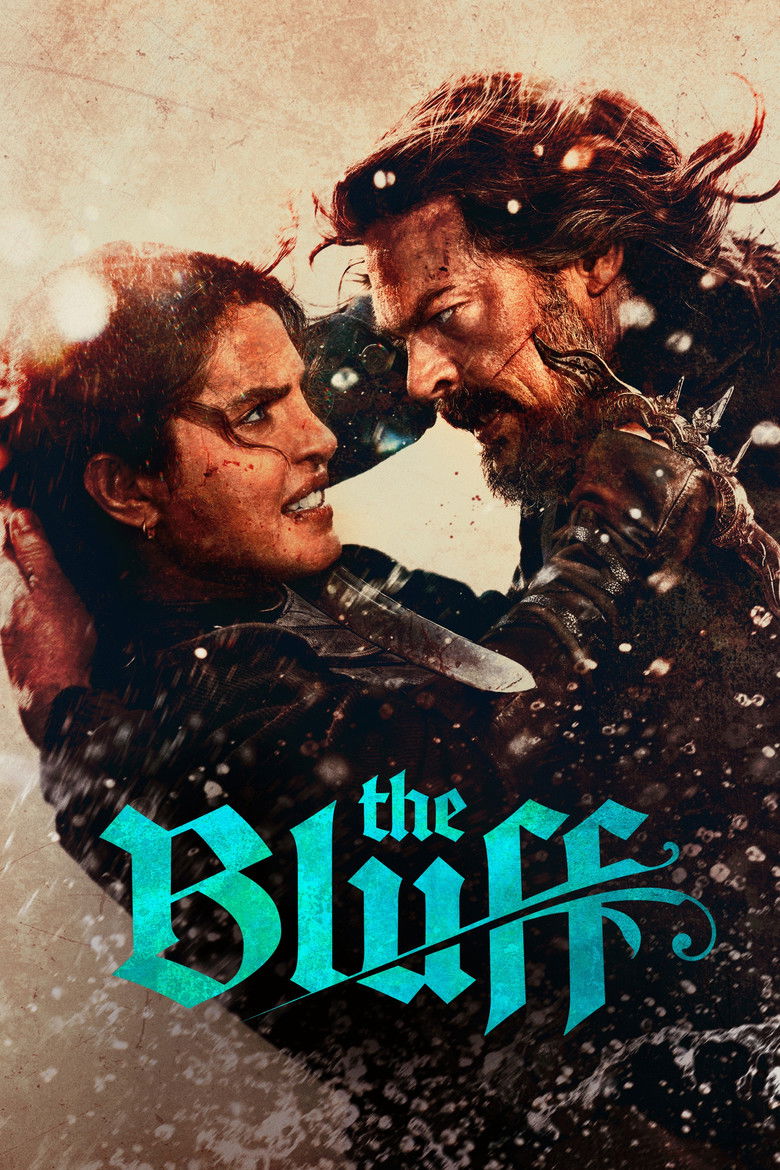
Ripley's character arc, from a wary warrant officer to the ultimate survivor, set a new benchmark for strong female leads. Her legacy can be seen woven into the fabric of countless films and shows featuring complex, capable women navigating extreme circumstances. In a time when discussions around representation and authentic female characters are more prominent than ever, Ripley serves as a powerful reminder of how impactful such portrayals can be when crafted with depth and respect. Her journey resonates with audiences seeking compelling, non-stereotypical heroes, a trend we see reflected in the nuanced characters driving thrillers like The Bluff.
Lasting Impact and Modern Relevance
Alien's influence on cinema is immeasurable. It didn't just birth a hugely successful franchise (which continues to this day with prequels and sequels); it fundamentally altered the landscape of sci-fi horror. Filmmakers learned from its innovative creature design, its use of practical effects to create visceral terror, and its ability to blend high-concept science fiction with raw, primal fear. The 'creature feature' genre was irrevocably changed, raising the bar for atmospheric dread and intelligent scares.
The film's themes also remain incredibly potent. It explores corporate greed and indifference (the Weyland-Yutani corporation's cold pursuit of the xenomorph), the vulnerability of humanity against an unknown threat, and the resilience of the human spirit. These are themes that resonate deeply in our current world, where concerns about corporate power, ecological threats, and existential anxieties are ever-present. The sense of isolation and the fight for survival against overwhelming odds found in Alien can still feel chillingly relevant, even when watching newer, perhaps more flashy, releases.
Why New Audiences Should Discover the Original Nightmare
For those who've only encountered the Alien universe through its later iterations, or perhaps haven't seen it at all, now is the perfect time to discover the original. In an age of rapidly paced blockbusters and jump-scare heavy horror, Alien offers a masterclass in controlled tension and genuine dread. It's a film that demands your attention, slowly drawing you into its unsettling world before unleashing its full, terrifying power.
It's a testament to Ridley Scott's directorial vision, the impeccable performances (especially from Sigourney Weaver), and the groundbreaking design work that Alien feels just as fresh, terrifying, and impactful today as it did in 1979. So, dim the lights, crank up the sound, and prepare to be genuinely scared. Because some nightmares, like the xenomorph, never truly die; they just wait for new victims to discover them.
This February 28, 2026, as you consider your next movie night, don't just look to the latest trends. Dig into the classics. You might just find that the scariest stories have already been told, and they're waiting for you to scream.