28 Years Later: The Bone Temple – A Post-Apocalyptic Return or Rot?
The highly anticipated sequel, 'The Bone Temple,' promises to re-ignite the Rage virus. Lit-Pop dissects whether it can truly escape the graveyard of horror franchise fatigue.
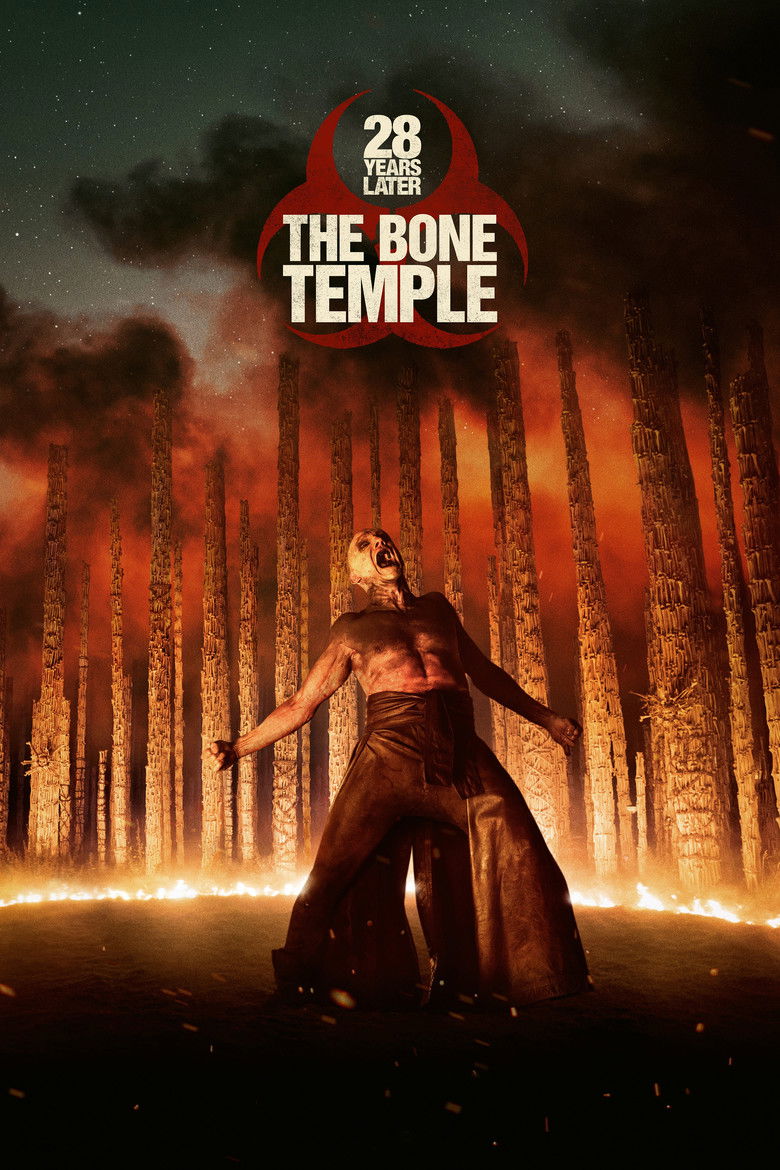
In an industry obsessed with reanimation, it's rare for a zombie—or, excuse me, infected—franchise to truly come back from the dead with fresh brains. Yet, here we are in March 2026, collectively holding our breath for 28 Years Later: The Bone Temple. Danny Boyle's original 28 Days Later didn't just revitalize a stagnant genre; it redefined it, injecting visceral terror and social commentary into the rotting corpse of horror. The 2002 film, shot on digital video before it was cool, felt raw, immediate, and terrifyingly plausible. It stripped away the Romero-esque shambling political allegory and gave us pure, unadulterated, sprinting primal fear. Now, over two decades later, with the 'Rage Virus' set to spread anew, the question isn't just if it will be good, but can it be relevant? Can 'The Bone Temple' avoid the common pitfalls of legacy sequels and carve out its own bone-chilling legacy, or is it destined to be another hollow resurrection?

Unearthing the Rage: What 'The Bone Temple' Must Deliver
For cinephiles and horror devotees alike, 'The Bone Temple' isn't just another sequel; it's a cultural event. Our deep dive will scrutinize:
- The evolution of the 'Rage Virus' and its enduring impact on the horror genre.
- The directorial vision and cinematic style required to honor the franchise's gritty legacy.
- How the film's themes might resonate with the anxieties of 2026.
- The significance of its enigmatic title and what it implies for the narrative.
The Enduring Bite of the Rage Virus: Redefining Apocalyptic Horror
When 28 Days Later hit screens, it wasn't just a movie; it was a gauntlet thrown down to an entire subgenre. Gone were the slow, shambling undead; in their place came the 'infected'—human beings consumed by an uncontrollable, terrifying rage, capable of Olympic-level sprinting and fueled by pure, unthinking aggression. This wasn't a supernatural curse; it was a highly contagious, biological pathogen, making the threat feel chillingly real and immediate. It reset the bar for apocalyptic horror, inspiring countless imitators and fundamentally altering how we perceive the 'zombie' apocalypse. 28 Weeks Later, while not reaching the same dizzying narrative heights, brilliantly expanded on the epidemiology and societal breakdown, particularly through its harrowing opening sequence and the chilling depiction of military control.
The challenge for 'The Bone Temple' is formidable: how do you evolve a concept that was so revolutionary it became standard? Merely bringing back fast infected won't cut it. The true horror of the original films wasn't just the monsters, but the monstrousness within humanity itself when the veneer of civilization peeled away. We need 'The Bone Temple' to explore new facets of the Rage Virus. Has it mutated? Developed new stages? Or perhaps, more terrifyingly, have humans found ways to weaponize or control it? The very title, 'The Bone Temple,' hints at something ancient, primal, perhaps even ritualistic, suggesting a deeper, more profound horror than mere viral outbreak. If it simply rehashes the
FAQ
What is '28 Years Later: The Bone Temple'?
'28 Years Later: The Bone Temple' is the highly anticipated third installment in the '28 Days Later' cinematic franchise, set to continue the story of a post-apocalyptic world ravaged by the Rage Virus.
Who is involved in the production of 'The Bone Temple'?
While specific details are under wraps, Danny Boyle, director of the original '28 Days Later,' is expected to be involved, potentially as director or producer, alongside original writer Alex Garland. Ryan Gosling is also rumored to be attached to the project.
What makes the '28 Days Later' franchise unique in horror?
The '28 Days Later' franchise redefined the zombie genre by introducing 'infected' humans who are fast, aggressive, and driven by a viral rage rather than traditional undead reanimation, coupled with a gritty, realistic, and socially critical tone.