The Unflinching Gaze: Why We Crave Literary Discomfort
March 2026 reveals a fractured readership: some seeking brutal introspection in Brandon Taylor's work, others pure, adrenaline-fueled escape in twisty thrillers.
The literary landscape of March 2026 isn't just diverse; it's a battleground of readerly intent. On one side, we have an undeniable hunger for narratives that refuse to flinch, books that hold a mirror to the most unsettling aspects of self and society. On the other, the ever-present, voracious appetite for pure, unadulterated escapism, where plot reigns supreme and emotional complexity, if present, is a bonus, not the main course. This isn't merely a genre divide; it's a fundamental split in what we demand from our stories, a reflection of a world that offers both overwhelming complexity and relentless pressure to disengage.
Why We Read What We Read Now
- The rise of uncomfortable introspection in literary fiction.
- Brandon Taylor's masterclass in emotional complexity.
- The enduring appeal of high-stakes, twisty thrillers.
- What this polarization reveals about today's literary landscape.
The Brutal Honesty of Brandon Taylor
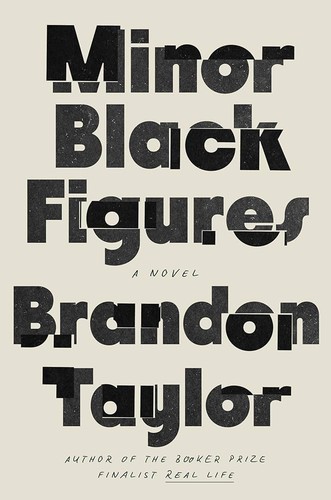
If you want to understand the modern reader's craving for discomfort, look no further than Brandon Taylor. His new novel, Minor Black Figures, is not just anticipated; it's a cultural event. Taylor has built a career on meticulously dissecting the internal lives of his characters, often in settings designed to amplify their isolation and vulnerability. He doesn't offer easy answers or tidy resolutions; instead, he forces us to sit with the messy, contradictory, and often painful truths of human experience. This is literary fiction as psychoanalysis, a deep dive into the anxieties, desires, and microaggressions that shape us.

Consider his previous works; they are celebrated precisely because they challenge rather than comfort. Minor Black Figures promises to continue this tradition, exploring themes of race, class, identity, and the quiet violences of everyday life with a surgical precision that few contemporary authors can match. Readers drawn to Taylor aren't looking for a distraction; they're looking for recognition, for validation of their own complex inner worlds, for a narrative that dares to be as complicated as they feel. It's a demand for authenticity, even when that authenticity stings. This reflects a generation perhaps fatigued by saccharine portrayals and eager for art that grapples with genuine existential weight, much like how we dissected the hype vs. heart in 2026's literary fiction.
The Adrenaline Rush: Escapism's Enduring Reign
On the other side of the spectrum, the appetite for pure, unadulterated escapism remains ravenous. This isn't a lesser form of reading; it's a different function entirely. Where Taylor forces introspection, authors like Ashley Elston and Freida McFadden offer meticulously crafted labyrinths designed to whisk you away from your own thoughts, if only for a few hours. Ashley Elston's Anatomy of an Alibi is poised to deliver exactly what thriller fans crave: a high-stakes premise, unexpected twists, and a relentless pace that leaves no room for existential angst.

Similarly, Freida McFadden's Dear Debbie promises another masterclass in psychological suspense, a genre she has practically perfected. These books aren't asking you to ponder the human condition; they're asking you to surrender to the ride. They are the literary equivalent of a perfectly executed roller coaster, designed for maximum adrenaline and minimal philosophical pondering. The demand for these kinds of thrillers highlights a profound societal need for release, for narratives where good and evil, truth and deception, are often starkly defined, offering a temporary reprieve from the ambiguities of real life. It's a different kind of intensity, one focused outward on plot mechanics rather than inward on character psyche.

What This Says About Audiences Today
This bifurcation isn't a flaw; it's a feature of our contemporary literary ecosystem. Readers are increasingly discerning, understanding that different books serve different psychological and emotional purposes. Some moments call for the incisive, challenging work of a Brandon Taylor, a book that demands intellectual and emotional labor, prompting self-reflection that can be transformative. Other moments scream for the pure, unadulterated plot engine of an Elston or McFadden, a story that provides a temporary, exhilarating escape from the everyday grind.
It speaks to a generation that values both profound meaning and effective diversion. The cultural conversation around books is no longer just about 'good' versus 'bad,' but about 'what do I need this story to do for me right now?' This nuanced approach to reading is, frankly, a sign of maturity. It's a rejection of the idea that all literature must serve the same master or adhere to the same critical standards. We're building more sophisticated literary diets, balancing the bitter with the sweet, the challenging with the purely entertaining. This is a far cry from the often simplistic, algorithm-driven recommendations of BookTok, which often conflate popularity with substance, as we've noted when discussing BookTok's chaotic romance trends.
The Future of Reading: A Bifurcated Path
The future of literature won't be a monolithic experience. Instead, we'll see an even sharper divergence, with authors perfecting their craft at both ends of the spectrum. The Brandon Taylors of the world will continue to push the boundaries of psychological realism and social critique, garnering critical acclaim and a dedicated, intellectually hungry readership. Simultaneously, the Freida McFaddens and Ashley Elstons will dominate bestseller lists, refining the art of the addictive, high-stakes narrative for those seeking pure entertainment.
The industry, and readers themselves, will become even more adept at navigating these distinct paths, appreciating each for its unique strengths. The common ground? A shared demand for impactful storytelling, whether that impact is a quiet, internal earthquake or an explosive, plot-driven thrill ride. The era of one-size-fits-all reading is over; long live the era of tailored literary experiences. If you know what you need from a book, 2026 has a masterpiece waiting for you.
Editor's Verdict
Brandon Taylor’s Minor Black Figures is an essential, if uncomfortable, read that exemplifies the power of literary fiction to dissect the human condition with unflinching honesty. It's a demanding masterpiece that will resonate deeply with those seeking profound introspection.
Editor's Rating: 9/10
FAQ
What defines 'uncomfortable introspection' in literary fiction?
Uncomfortable introspection in literature refers to narratives that delve deeply into complex, often painful, internal states, ethical dilemmas, or societal critiques, forcing readers to confront difficult truths about themselves or the world without offering easy resolutions.
Why are thrillers like 'Anatomy of an Alibi' and 'Dear Debbie' so popular right now?
Thrillers provide intense escapism through fast-paced plots, suspenseful twists, and clear narrative arcs. Their popularity stems from a widespread desire for distraction and a temporary release from real-world complexities, offering a different kind of emotional engagement than introspective literary fiction.
How do current literary trends reflect broader societal shifts?
Current literary trends, like the split between demanding introspective works and escapist thrillers, reflect a society grappling with both profound global challenges (leading to a desire for deeper understanding) and intense daily pressures (creating a need for pure, unchallenging entertainment).