Matt Haig's Midnight Train: More Than Just Another Existential Ride
The acclaimed author returns with a book that challenges our understanding of regret, choice, and the infinite possibilities within a single life. Is it a masterpiece or a well-trodden path?
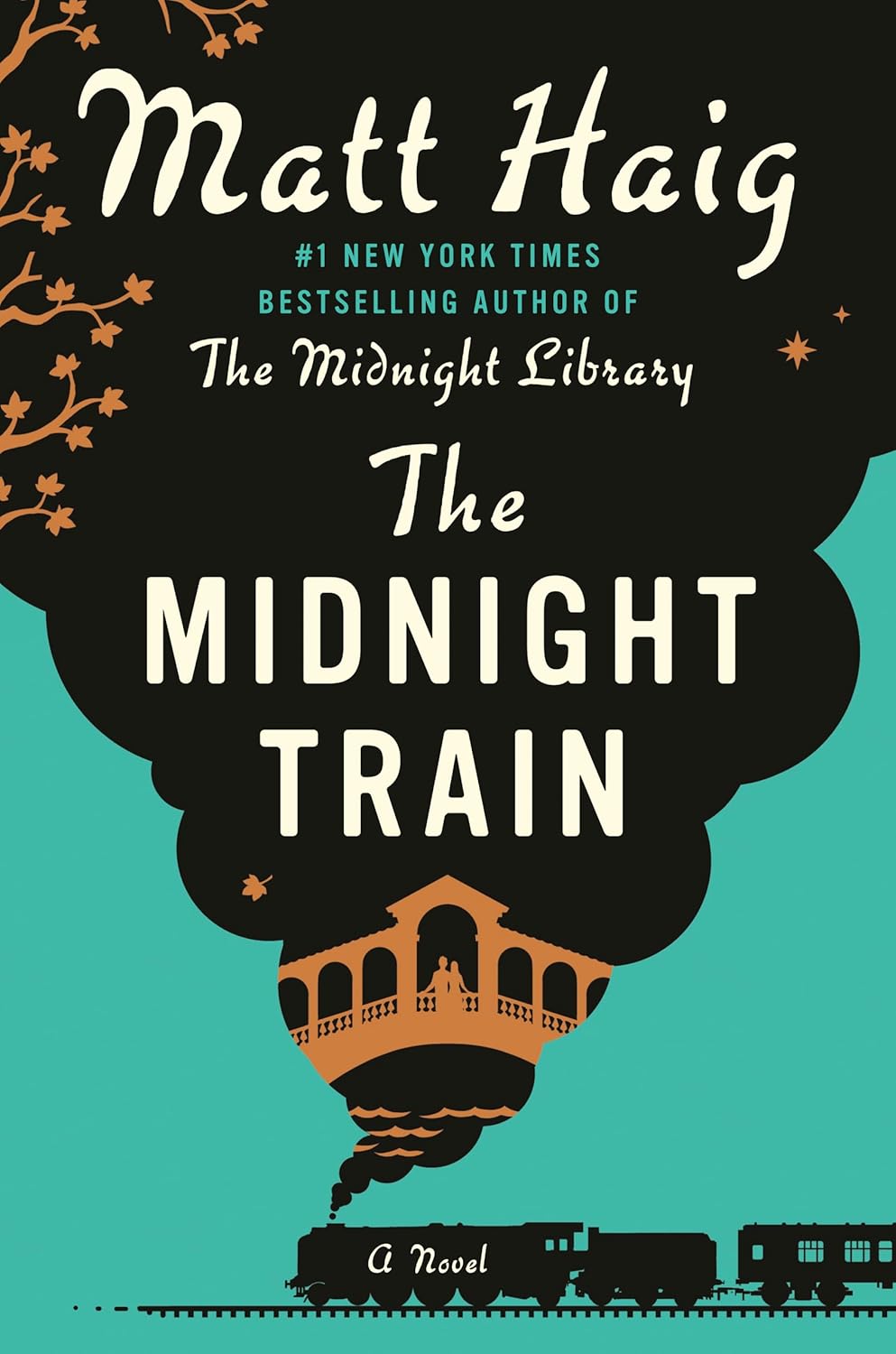
In an era saturated with self-help disguised as literature, where every other novel promises a 'journey to self-discovery' or a 'new perspective on life,' it's easy to become jaded. But then, a writer like Matt Haig pulls up to the station, and suddenly, the well-worn tracks of existential fiction feel fresh again. His latest, The Midnight Train, isn't just another contemplative ride; it's a meticulously crafted exploration of the human condition that manages to be both profoundly empathetic and surprisingly challenging. This isn't fluffy escapism; it's a mirror held up to the anxieties of our overstimulated, 'what if'-laden lives, demanding we look deeper than the surface. It’s the kind of book that doesn’t just trend on BookTok for a week; it settles into your psyche.
Why 'The Midnight Train' is This Year's Essential Existential Read
The Midnight Train by Matt Haig has swiftly become one of 2026's most talked-about books, and for good reason. Our deep dive reveals why this seemingly simple premise blossoms into a profound literary experience:
- The Architecture of Regret and Redemption: How the narrative structure itself becomes a metaphor for life's unchosen paths.
- Haig's Signature Blend of Empathy and Philosophy: Dissecting his unique ability to make complex existential questions feel intimately human.
- Beyond the 'What If': A Call to Presence: Examining the ultimate thematic arc that pivots from exploring alternative lives to valuing the one we're in.
- Cultural Resonance in the Digital Age: Why a book about parallel lives speaks so powerfully to contemporary anxieties and the pressure of comparison.

The Architecture of Regret and Redemption: A Labyrinth of Choices
The central conceit of The Midnight Train immediately beckons, much like the enigmatic train itself. Haig presents us with a protagonist, much like Nora Seed in his previous triumph, The Midnight Library, who finds themselves at a crossroads, afforded the impossible luxury of exploring lives dictated by different choices. But where The Midnight Library felt like a grand tour of 'what ifs,' The Midnight Train is a more focused, almost claustrophobic journey into the psychological burden of these alternatives. Each carriage, each fleeting stop, isn't just a separate reality; it's a meticulously constructed psychological diorama of the protagonist's regret, ambition, and fear. Haig doesn't just show us these lives; he forces us to feel the weight of them. The train isn't merely a plot device; it's a moving metaphor for the relentless onward march of time, punctuated by moments where we grapple with the past. The genius lies in making the fantastical elements serve the very human experience of yearning for a do-over, for a glimpse at the path not taken. It’s a masterclass in using speculative fiction to amplify internal conflict, making the intangible anxieties of 'what if' terrifyingly tangible.
Haig's Empathy Engine: Crafting Relatable Despair and Hope
Matt Haig has carved out a unique niche in contemporary literature, blending accessible prose with profound philosophical inquiry. He’s the literary equivalent of a warm blanket woven with threads of existential dread and shimmering hope. In The Midnight Train, this signature style is on full display. He takes a character teetering on the brink of despair and immerses them in a journey that could easily devolve into either saccharine self-help or bleak nihilism. Instead, Haig navigates this treacherous terrain with remarkable grace. His writing is never preachy; it’s an invitation to introspection. He understands that genuine empathy isn't about sugarcoating pain, but about acknowledging its depth while simultaneously pointing towards the possibility of light. The internal monologues of the protagonist are gut-wrenchingly honest, resonating with anyone who has ever felt the crushing weight of unmet expectations or the quiet hum of dissatisfaction. This isn't just storytelling; it's a therapeutic conversation, delivered with a literary finesse that transcends the often-shallow discussions found in a fleeting BookTok trend. If you’re tired of books that only skim the surface of emotion, this is your deep dive into something real. For more on breaking free from superficial reads, check out Beyond the Algorithm: Why Deep Reads Get Lost in the BookTok Shuffle.
Beyond the 'What If': A Call to Presence
Many narratives exploring alternate realities get lost in the sheer novelty of their concept, forgetting the grounding truth that the present is all we truly have. Haig, however, uses the fantastical journey on The Midnight Train not as an escape from reality, but as a crucible for understanding it. The ultimate thematic triumph of this novel is its pivot from endless exploration to a profound call for presence. The protagonist doesn't merely see these other lives; they learn from them, internalizing lessons about resilience, purpose, and the inherent value of their own unique timeline. It’s a subtle but powerful message that reframes regret not as a prison, but as a peculiar lens through which to appreciate the choices already made. This isn't about finding a 'better' life; it's about finding the 'best' version of this life. In a world constantly pushing us to optimize, to compare, to seek endless upgrades, Haig's gentle insistence on the inherent worth of our current existence feels revolutionary. It aligns with the idea that our bookshelves should be a testament to intellectual challenge and emotional depth, not fleeting fads. Read more on this perspective in Shelf Revolution: Ditch Trends, Embrace Provocation.
Cultural Resonance in the Digital Age: A Mirror to Our Times
The enduring buzz around The Midnight Train isn't accidental; it taps into a pervasive cultural anxiety. In the age of social media, where curated highlight reels of others' lives are constantly thrust upon us, the pressure to make 'perfect' choices and avoid 'mistakes' is immense. We are constantly exposed to alternative realities – the filtered lives of influencers, the seemingly effortless successes of peers – leading to an epidemic of FOMO and a relentless cycle of self-comparison. Haig's novel provides a literary balm, not by offering easy answers, but by validating the very human urge to wonder, to regret, and ultimately, to reconcile. It acknowledges the burden of choice in a world of infinite possibility and offers a pathway to peace. The book resonates because it speaks directly to the collective yearning for clarity, for validation that our choices, flawed as they may be, are meaningful. It's a reminder that while the grass might look greener on the other side, it's often because it's been expertly photoshopped. Haig champions the messy, imperfect, utterly unique journey of our lives, making it a critical read for anyone navigating the existential minefield of the 21st century.
Editor's Verdict
Matt Haig once again crafts a profoundly empathetic and thought-provoking narrative, using speculative fiction to unearth the universal anxieties of 'what if' with remarkable grace and emotional heft. The Midnight Train is a poignant, insightful journey that reaffirms Haig's status as a master of accessible existentialism, urging us to embrace the present with renewed perspective.
Editor's Rating: 8/10
FAQ
What themes does 'The Midnight Train' explore?
'The Midnight Train' delves into themes of regret, the power of choice, mental health, and the search for meaning and contentment in one's own life amidst the allure of alternative realities.
Is 'The Midnight Train' similar to Matt Haig's other works, like 'The Midnight Library'?
Yes, 'The Midnight Train' shares thematic similarities with 'The Midnight Library' in its exploration of parallel lives and the impact of choices. However, critics note it offers a more focused and perhaps more introspective journey into the protagonist's specific anxieties and reconciliations.
Is 'The Midnight Train' suitable for readers new to Matt Haig's books?
Absolutely. Matt Haig's writing is known for its accessibility and emotional depth, making 'The Midnight Train' an excellent entry point for new readers, while still satisfying his established fanbase with its profound philosophical undertones.