Debut Author Showdown: Rowling's Magic vs. Collins' Grit
We pit J.K. Rowling's 'Harry Potter' debut against Suzanne Collins' 'The Hunger Games' to crown the ultimate first-time literary sensation.
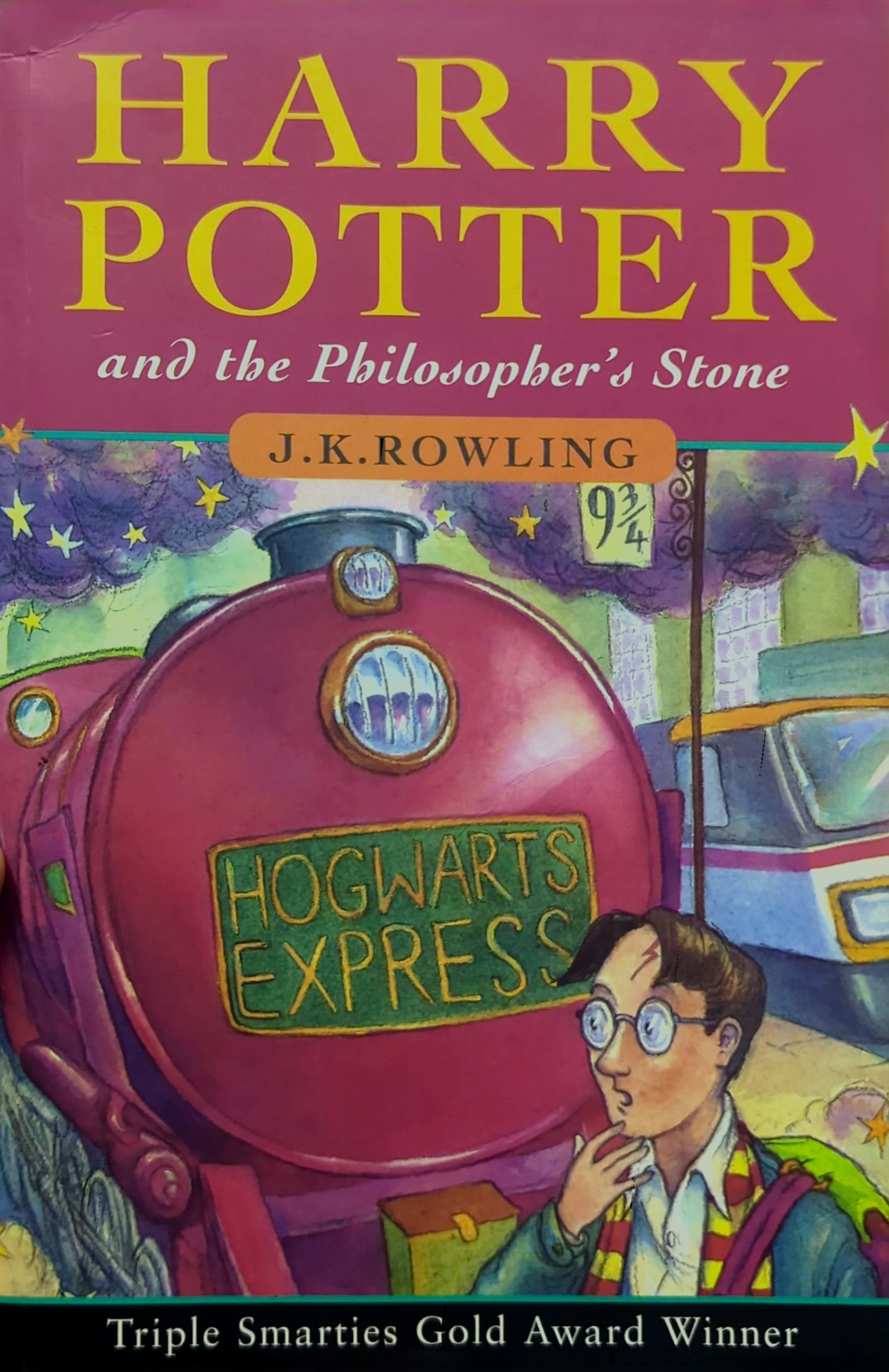
Every so often, a debut novel doesn't just launch an author; it detonates a cultural phenomenon. In the annals of modern literature, few first-time efforts have left craters as profound as J.K. Rowling's Harry Potter and the Philosopher's Stone and Suzanne Collins' The Hunger Games. These two titans arrived to redefine their respective genres, captivating millions and setting the stage for sprawling, multi-media empires. But when stripped down to their inaugural offerings, which one truly stands as the superior debut? It's time to settle the score, Lit-Pop style.
Debut Author Showdown: Rowling vs. Collins
For readers eager to dissect the formative works of literary giants, this comparison will dive deep into: * The narrative ingenuity and plot structure of each debut. * The indelible characters that sprang from their first pages. * The immersive worlds built from the ground up by these visionary authors. * The lasting cultural resonance and impact that cemented their places in history.
Narrative & Innovation: Magic vs. Mayhem

Rowling's Harry Potter and the Philosopher's Stone arrived like a warm, inviting spell. It masterfully re-energized the classic hero's journey, weaving a tale of a boy discovering his destiny in a hidden magical world. The innovation here wasn't in reinventing the wheel, but in perfecting its enchanting spin. The mystery of the Stone, Quirrell's shocking reveal, and the insidious presence of Voldemort are expertly paced, building a sense of wonder and danger that felt utterly fresh for its target audience. It felt like a return to pure, unadulterated storytelling, a balm in an increasingly cynical world.

Then there's Collins' The Hunger Games, a stark, brutal counterpoint. This book didn't just innovate; it detonated the YA landscape with its unflinching portrayal of dystopia, class warfare, and survival. From the chilling Reaping to the harrowing arena, Collins crafted a narrative that felt shockingly prescient, a visceral commentary on reality television and political oppression. The sheer audacity of its premise and its refusal to pull punches make it a relentless, unforgettable read. It redefined what young adult fiction could be.
Scoring Narrative & Innovation: * Harry Potter and the Philosopher's Stone: 4/5 – A masterclass in classic storytelling, impeccably executed. * The Hunger Games: 5/5 – A groundbreaking, genre-defining narrative that changed the game.
Character Craft: Relatability vs. Resilience
Rowling gave us Harry Potter, the relatable orphan thrust into an extraordinary world. His struggles with self-doubt, his burgeoning friendships with Hermione's fierce intellect and Ron's steadfast loyalty, made him an instant icon. The supporting cast, from the benevolent Dumbledore to the sneering Malfoy, are archetypal yet brimming with personality, each serving to deepen the reader's immersion. For more on enduring literary figures, check out our piece on Timeless Books to Elevate Your 2026 Reading List.
Collins, on the other hand, introduced Katniss Everdeen, a protagonist carved from grit and defiance. Katniss isn't charming; she's pragmatic, fiercely protective, and deeply scarred. Her complex relationship with Peeta, built on survival and public performance, offers a nuanced take on romance amidst horror. While the ensemble might not be as sprawling as Hogwarts', Katniss's internal journey and her unwavering will to survive make her a singular, unforgettable force.
Scoring Character Craft: * Harry Potter and the Philosopher's Stone: 5/5 – An iconic trio and a rich tapestry of memorable supporting characters. * The Hunger Games: 4/5 – A powerful, singular protagonist, but the supporting cast takes a backseat to the plot's urgency.
World-Building: Whimsy vs. Warning
Rowling's debut laid the foundation for the wizarding world, a secret society brimming with intricate details. Diagon Alley, Hogwarts Castle, Quidditch – every element felt meticulously crafted, inviting readers to believe in the impossible. It’s a world built on wonder, yet grounded in its own consistent logic, creating an escape hatch for millions. This kind of immersive storytelling is what defines a truly perfect read, as we discussed in The Elusive Quest for the 5-Star Read: What Makes a Book Truly Perfect?.
Collins' Panem is a world constructed as a chilling warning. The stark contrast between the opulent Capitol and the impoverished Districts is vividly drawn, a societal structure designed to oppress and control. While less whimsical, its meticulous economic and political foundations make it terrifyingly plausible. The world of Panem serves as both a setting and a character, a constant threat lurking in the background.
Scoring World-Building: * Harry Potter and the Philosopher's Stone: 5/5 – A fantastical, fully realized world that sparked global imagination. * The Hunger Games: 4/5 – A stark, effective, and politically charged world, but less expansive in its debut.
Cultural Impact & Legacy: Global Phenomenon vs. Genre Redefiner
Harry Potter and the Philosopher's Stone isn't just a book; it's a cornerstone of modern pop culture. It revitalized children's literature, brought fantasy to the mainstream in an unprecedented way, and became a multi-generational touchstone. Its impact is visible in theme parks, countless adaptations, and an entire generation's literacy. It literally changed the publishing industry.
The Hunger Games also ignited a wildfire, particularly in the YA dystopia genre. It birthed a wave of imitators, proved the viability of strong, morally ambiguous female leads in blockbuster narratives, and sparked crucial conversations about power, class, and rebellion among young readers. Its cinematic adaptations were hugely successful, proving its broad appeal.
Scoring Cultural Impact & Legacy: * Harry Potter and the Philosopher's Stone: 5/5 – A once-in-a-generation phenomenon that reshaped publishing and popular culture. * The Hunger Games: 4/5 – A massive hit that redefined a genre and influenced countless narratives, but not on the same global scale as HP.
Editor's Verdict: The Reigning Debut Champion
Overall Scores: * Harry Potter and the Philosopher's Stone: 19/20 * The Hunger Games: 17/20
The numbers don't lie. While Suzanne Collins delivered a genuinely groundbreaking and impactful debut with The Hunger Games, J.K. Rowling's Harry Potter and the Philosopher's Stone is the undisputed champion. Its unparalleled world-building, deeply resonant characters, and universal appeal cemented it as a global phenomenon, setting a standard for debut authors that few will ever match. Like this post if you agree that magic still reigns supreme!
FAQ
What makes a debut novel special?
A truly special debut novel introduces a fresh voice, a captivating story, and often a unique world or perspective that leaves a lasting impression on readers and critics alike, hinting at the author's future potential.
Which book was J.K. Rowling's first published novel?
J.K. Rowling's first published novel was 'Harry Potter and the Philosopher's Stone' (known as 'Harry Potter and the Sorcerer's Stone' in the US), released in 1997.
When was 'The Hunger Games' first published?
'The Hunger Games' by Suzanne Collins was first published on September 14, 2008, quickly becoming a best-seller and a cultural touchstone in young adult literature.