Decoding 2026: Why Structured Reading Challenges are Reshaping How We Read
From accessible sci-fi to intellectual classics, trending books reveal our collective hunger for guided literary journeys and community in the digital age.
In an era saturated with fleeting content and endless digital distractions, the resurgence of structured reading challenges isn't just a trend; it's a cultural declaration. We're not merely seeking books to consume; we're actively crafting pathways to literary engagement, turning the solitary act of reading into a measurable, shared achievement. This shift reflects a deeper yearning for intentionality and connection, transforming our TBR (To Be Read) piles from daunting lists into exciting quest logs.
Level Up Your Lit: 2026 Reading Challenges & Goals
- The undeniable rise of structured reading challenges and book club culture.
- Why accessible hits like "Project Hail Mary" have become staples for modern reading goals.
- How classics like "Animal Farm" offer crucial intellectual challenges in today's landscape.
- The allure of committing to epic sagas, exemplified by "Harry Potter and the Goblet of Fire."
- A forward look into the future evolution of personalized reading challenges.
The Gamification of the Page: "Project Hail Mary" as the Ultimate Challenge Kickstart
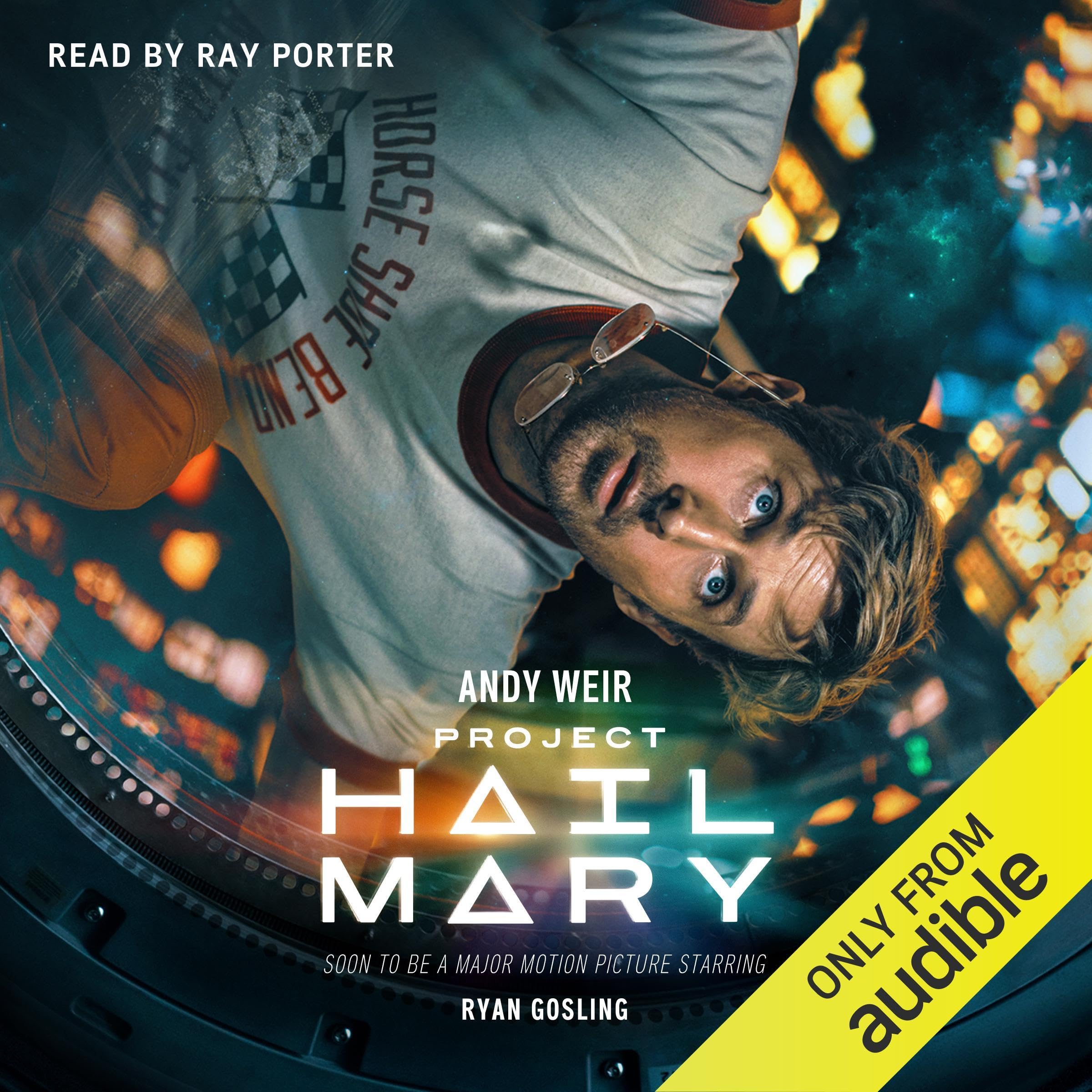
Look no further than Andy Weir's Project Hail Mary to understand the modern reader's psyche. It's not just a fantastic book; it's a perfect challenge book. Its relentless pace, witty dialogue, and genuinely brilliant problem-solving narrative make it an ideal candidate for virtually any "read a sci-fi," "break a reading slump," or "read a book with a one-word title" prompt.

Weir has crafted a story that feels like a meticulously designed escape room for the mind. It provides that dopamine hit of accomplishment without demanding an academic treatise for comprehension. This book's constant presence on trending lists and challenge check-offs speaks volumes: readers want high-quality escapism that feels achievable, a literary win that fuels their momentum for the next goal. It's the literary equivalent of a perfectly balanced RPG side quest – rewarding, engaging, and not overly punishing.
Beyond the Bestseller: Intellectual Sprints and Epic Marathons
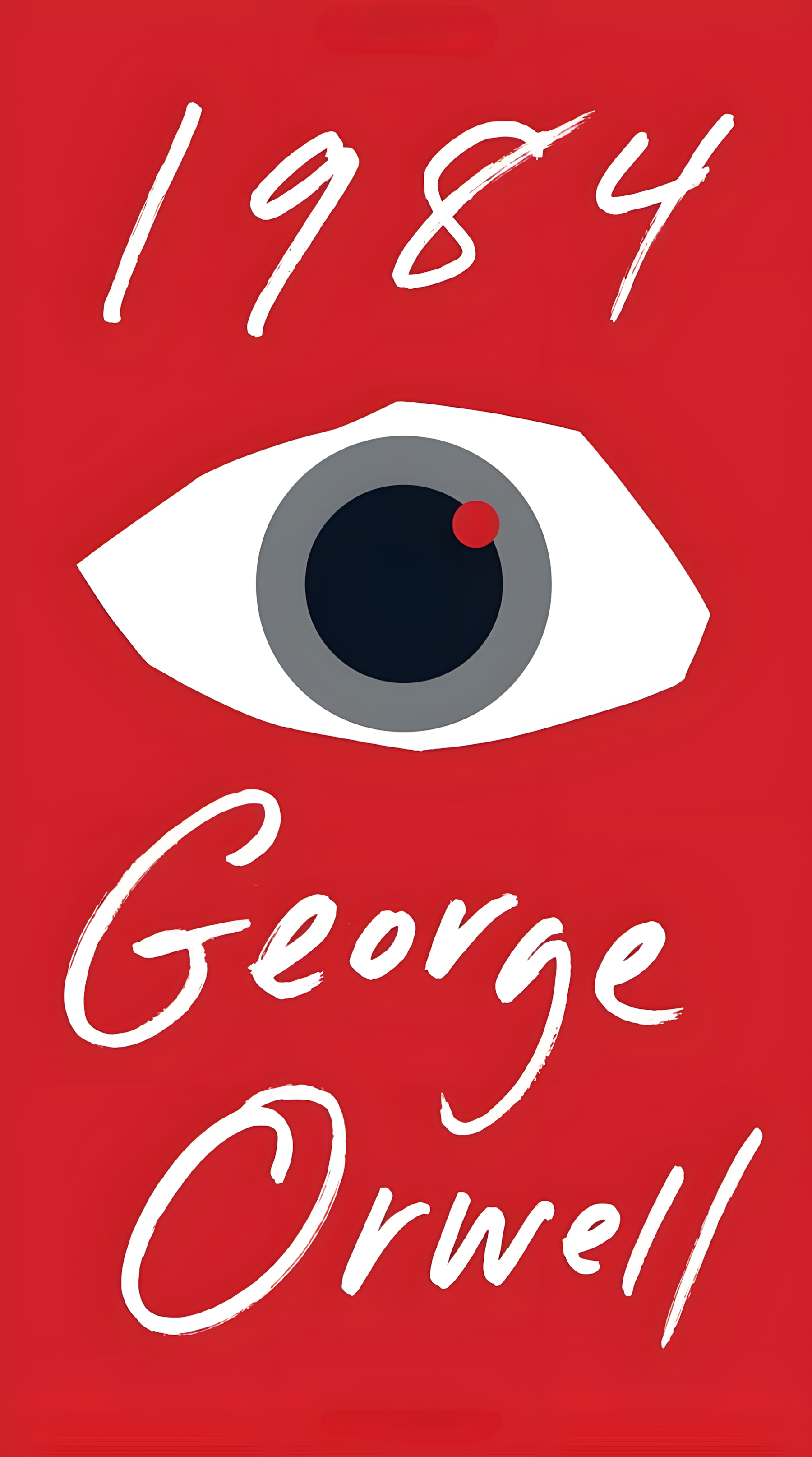
But the modern reading challenge isn't solely about quick wins. Our trending lists also reveal a powerful pull towards different kinds of literary engagement. Take George Orwell's Animal Farm. This isn't a book you're racing through for the plot twists; it's a cerebral undertaking. It’s a staple for challenges like "read a classic you missed in school" or "explore political allegory."

Reading "Animal Farm" in 2026, amidst our own complex sociopolitical landscape, transforms it from a historical text into a chillingly relevant mirror. It demands reflection, discussion, and a willingness to confront uncomfortable truths. This type of challenge pushes readers to truly "embrace provocation" as we've argued before in Shelf Revolution: Ditch Trends, Embrace Provocation. It’s a mental workout, proving that not all literary goals are about speed, but about depth.
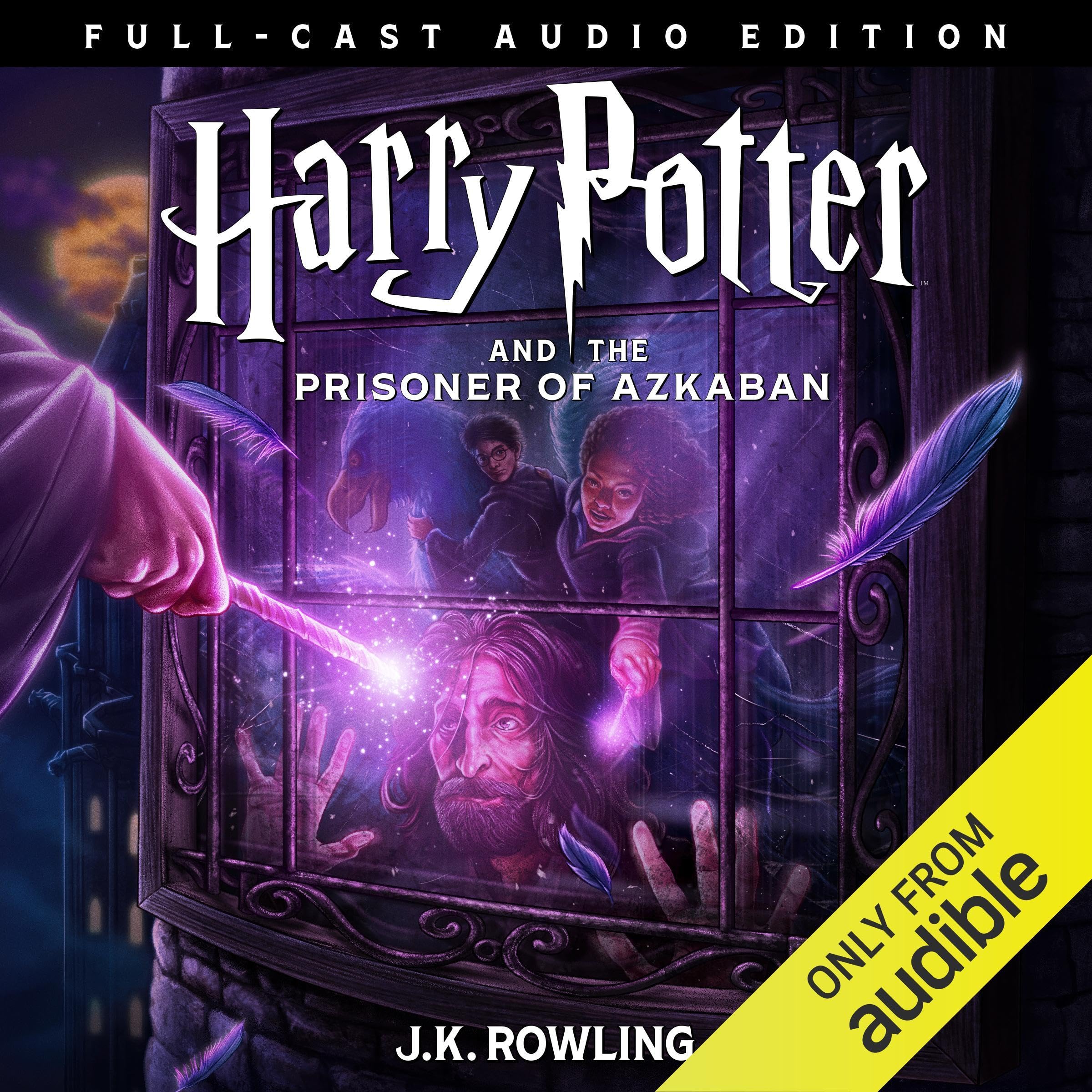
Then there's the beloved, sprawling saga. Harry Potter and the Goblet of Fire is a prime example of a "commitment challenge." At over 700 pages, it's not a weekend read. It's a multi-week, immersive journey often integrated into "read a fantasy epic" or "complete a series" challenges.

This kind of reading goal signifies a desire for sustained engagement, a deep dive into a fully realized world that offers a long-term escape. It stands in direct opposition to the "binge-read myth" that often prioritizes immediate gratification, as we discussed when analyzing Dune's limitations. Here, the challenge is about endurance, about savoring the journey, and the satisfaction of navigating a complex narrative over time.
What This Says About Audiences Today
Modern readers, particularly in 2026, are acutely aware of their attention economy. We crave both immediate, satisfying wins and profound, thought-provoking experiences, but we need structure to achieve them. The curated reading challenge, whether self-imposed or community-driven, provides the scaffolding for this. It transforms the overwhelming choice of the literary world into manageable, themed quests. It fosters community through shared goals, discussions, and the gratifying public display of progress on social platforms. It’s a collective declaration that deep reading still matters, and we’re finding new ways to make it stick.
The Future: Personalized Literary Quests
Looking ahead, expect reading challenges to evolve even further. We'll see AI-powered tools curating hyper-personalized challenges based on individual tastes, pace, and even mood. Virtual reality book clubs will become commonplace, allowing for truly immersive, shared literary experiences. The lines between solitary reading and communal achievement will continue to blur, making 2026 just the beginning of a dynamic new era for the committed reader. We're not just reading books; we're architecting our literary lives.
Editor's Verdict
Featured Title: Project Hail Mary Editor Rating: 9/10 Editor Verdict: Andy Weir's 'Project Hail Mary' is a masterclass in accessible, high-stakes sci-fi, proving that intellectual thrills can still deliver pure, unadulterated fun. It's the gold standard for a modern, satisfying read that leaves you buzzing long after the final page.
FAQ
What is a reading challenge?
A reading challenge is a structured goal to read a certain number of books, genres, or themed titles within a specific timeframe, often used to expand reading horizons or track progress.
How do trending books influence reading challenges?
Trending books often become popular choices for reading challenges due to their accessibility, buzz, or suitability for common challenge categories like 'read a bestseller' or 'read a popular sci-fi book.'
Are reading challenges beneficial for all readers?
While challenges can motivate many readers to discover new genres and maintain reading habits, some readers prefer a less structured approach. The key is finding a balance that enhances, rather than detracts from, the joy of reading.