The Binge-Read Myth: Why Dune Fails, and True Literary Addiction Lies Elsewhere
Forget the intellectual grind. For genuine, unputdownable book series immersion, we need narrative drive, not philosophical treatises. It's time to reconsider your 'binge' picks this March 2026.
Let's be brutally honest: most of you are getting "binge-reading" all wrong. The internet is awash with recommendations for "epic" or "challenging" book series to devour, as if the goal is to conquer a literary Everest. Nonsense. Binge-reading isn't about proving your intellectual stamina; it's about seamless, addictive immersion. It's about losing yourself so completely that the real world ceases to exist. And if you're looking for that kind of electrifying, non-stop experience, then Frank Herbert's Dune, while a monumental achievement, is absolutely not your binge-read. This March 2026, it's time to set the record straight.
What Truly Defines an Addictive Book Series Binge?
Before you dive headfirst into your next multi-volume commitment, understand what makes a series truly binge-worthy. It’s not just about length; it's about the reading experience itself. Here’s what you should be seeking:
- Seamless Narrative Propulsion: Each chapter, each book, must organically pull you into the next without requiring significant mental recalibration.
- Accessible, Evolving Characters: You need protagonists you can live with, whose journeys feel personal and whose growth is compelling, not just symbolic.
- World-Building That Enhances, Not Overwhelms: The lore should deepen the experience, not halt the plot for lengthy expository dumps or philosophical digressions.
- Consistent Emotional Payoff: A true binge delivers a steady stream of satisfaction, excitement, and connection, keeping you hungry for the next page.
The Dune Delusion: An Epic, But Not a Binge

Let me be clear: Dune is a masterpiece. Frank Herbert's vision of Arrakis, the Fremen, the sandworms, and the labyrinthine political and ecological themes is foundational science fiction. It's complex, thought-provoking, and utterly brilliant. But "binge-worthy"? Absolutely not. To call it so is to misunderstand the very nature of both the book and the act of bingeing.
Dune demands deliberation. It's replete with dense philosophical monologues, intricate political maneuvering, and a narrative pace that frequently slows to explore prescient visions or the inner workings of Kwisatz Haderach. Reading Dune is like studying a sacred text; it requires pause, reflection, and often a re-read of certain passages to truly grasp the layers of meaning. You don't rip through Dune; you savor it, you unravel it. Trying to power through it like a sugary YA romance is an act of literary sacrilege and will only lead to exhaustion, not exhilaration.
Many will argue, "But it's so immersive! It's epic!" And yes, it is. But immersion and epic scope do not automatically equate to binge-ability. True bingeing demands a propulsion that Dune's often-meditative prose simply doesn't provide. It's a series to be read over weeks, perhaps months, allowing its profound ideas to marinate. For a rapid-fire, 'just-one-more-chapter' obsession, look elsewhere.
The Undisputed Binge King: Tolkien's Middle-earth Saga
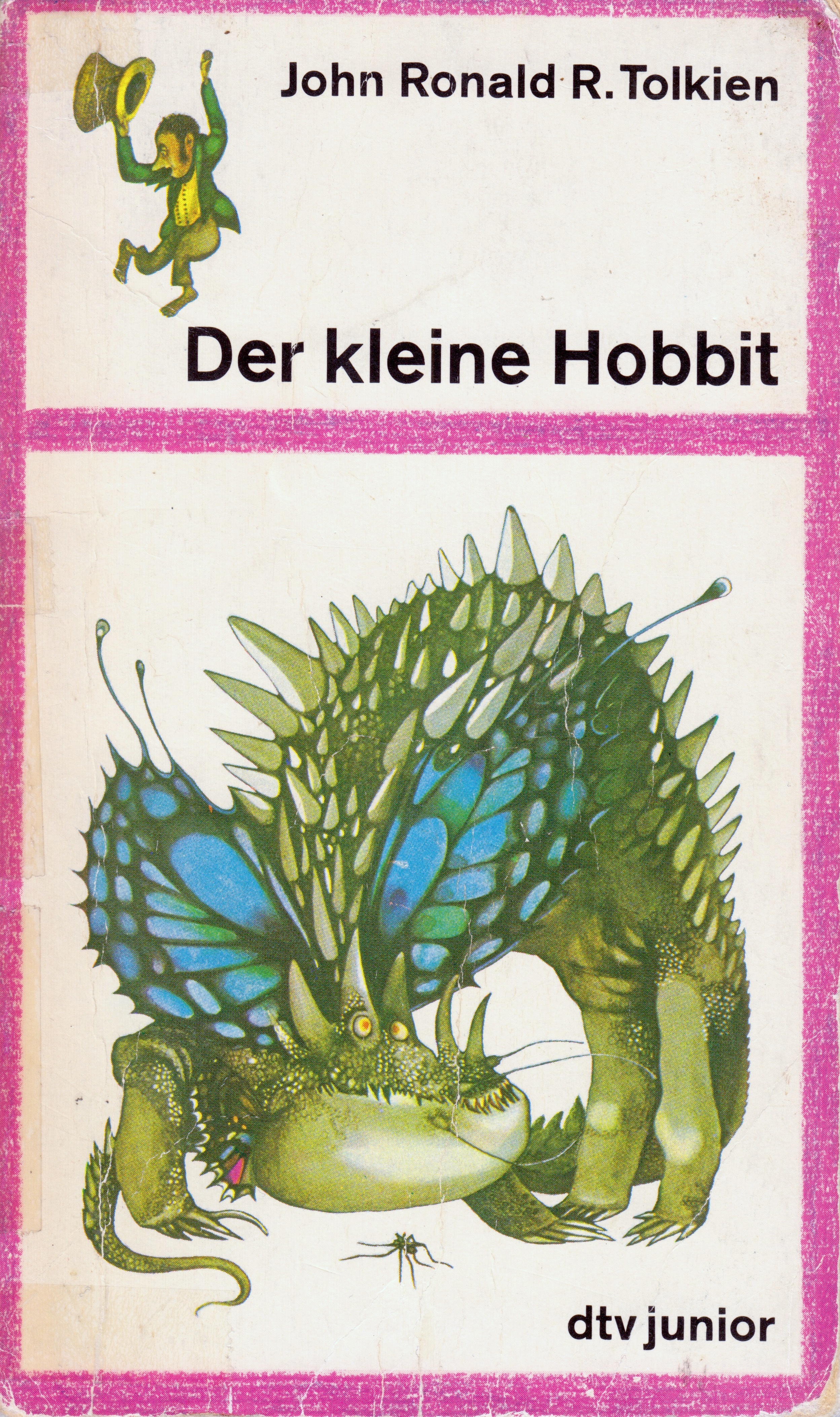
When we talk about true literary addiction, about a series that pulls you in and refuses to let go, there's only one reigning champion: J.R.R. Tolkien's Middle-earth saga, beginning with The Hobbit, or There and Back Again.

This isn't some hot take for the sake of being contrarian; it's an undeniable truth. The Hobbit is the perfect gateway drug. Its deceptively simple quest narrative, charming characters, and vivid, yet accessible, world-building are immediately engaging. Bilbo Baggins' journey from reluctant homebody to brave adventurer is one of the most relatable character arcs in all of literature, drawing you into Middle-earth with ease. Unlike Dune's often detached, grand-scale machinations, The Hobbit's heart is firmly with its characters and their immediate, perilous journey.
And then, of course, it seamlessly transitions into The Lord of the Rings. This isn't just a sequel; it's a magnificent escalation. The stakes multiply, the world expands, but the core appeal remains: a clear quest, deeply empathetic characters, and a narrative flow that is utterly relentless in the best possible way. Each chapter ends with a hook, a new peril, a fresh revelation, making it almost impossible to put down. The world-building, while incredibly deep, is woven so organically into the story that you absorb it without conscious effort. You don't study Middle-earth; you live in it as you binge. For more on enduring literary works, check out our piece on Timeless Books to Elevate Your 2026 Reading List. If you're looking for that rare 5-star experience, one that perfectly balances scope with readability, this is it. Learn more about The Elusive Quest for the 5-Star Read: What Makes a Book Truly Perfect?.
Editor's Verdict
Forget the critical acclaim of denser sci-fi epics when you're seeking a true binge. For an absolutely unputdownable, emotionally resonant, and genuinely addictive reading experience, Tolkien's Middle-earth saga, starting with The Hobbit, remains the gold standard. You won't just read it; you'll devour it.
FAQ
Is Frank Herbert's Dune series worth reading if not for bingeing?
Absolutely. The [Dune](https://hardcover.app/books/dune) series is a monumental work of science fiction, offering profound commentary on politics, religion, ecology, and human evolution. It is highly recommended for readers who enjoy dense, philosophical narratives and are prepared for a more deliberate, analytical reading experience.
What is the recommended reading order for The Hobbit and The Lord of the Rings?
The universally recommended reading order is to start with [The Hobbit, or There and Back Again](https://hardcover.app/books/the-hobbit), followed by *The Lord of the Rings* trilogy: *The Fellowship of the Ring*, *The Two Towers*, and *The Return of the King*. This order aligns with the story's chronological development and the gradual increase in scale and complexity.
Are there other epic fantasy series suitable for binge-reading, besides Tolkien's work?
While Tolkien sets a high bar for binge-ability, other series that offer strong narrative drive and immersive worlds include Brandon Sanderson's *Mistborn* series, Jim Butcher's *The Dresden Files* (urban fantasy), and Robert Jordan's *The Wheel of Time* (though its length requires significant commitment).