Ashley Herring Blake's 'Get Over It, April Evans': A Masterclass in Modern Romance
Forget surface-level fluff; Blake's latest promises to redefine queer enemies-to-lovers with unflinching emotional honesty and razor-sharp wit, proving romance can be both profound and thrilling.
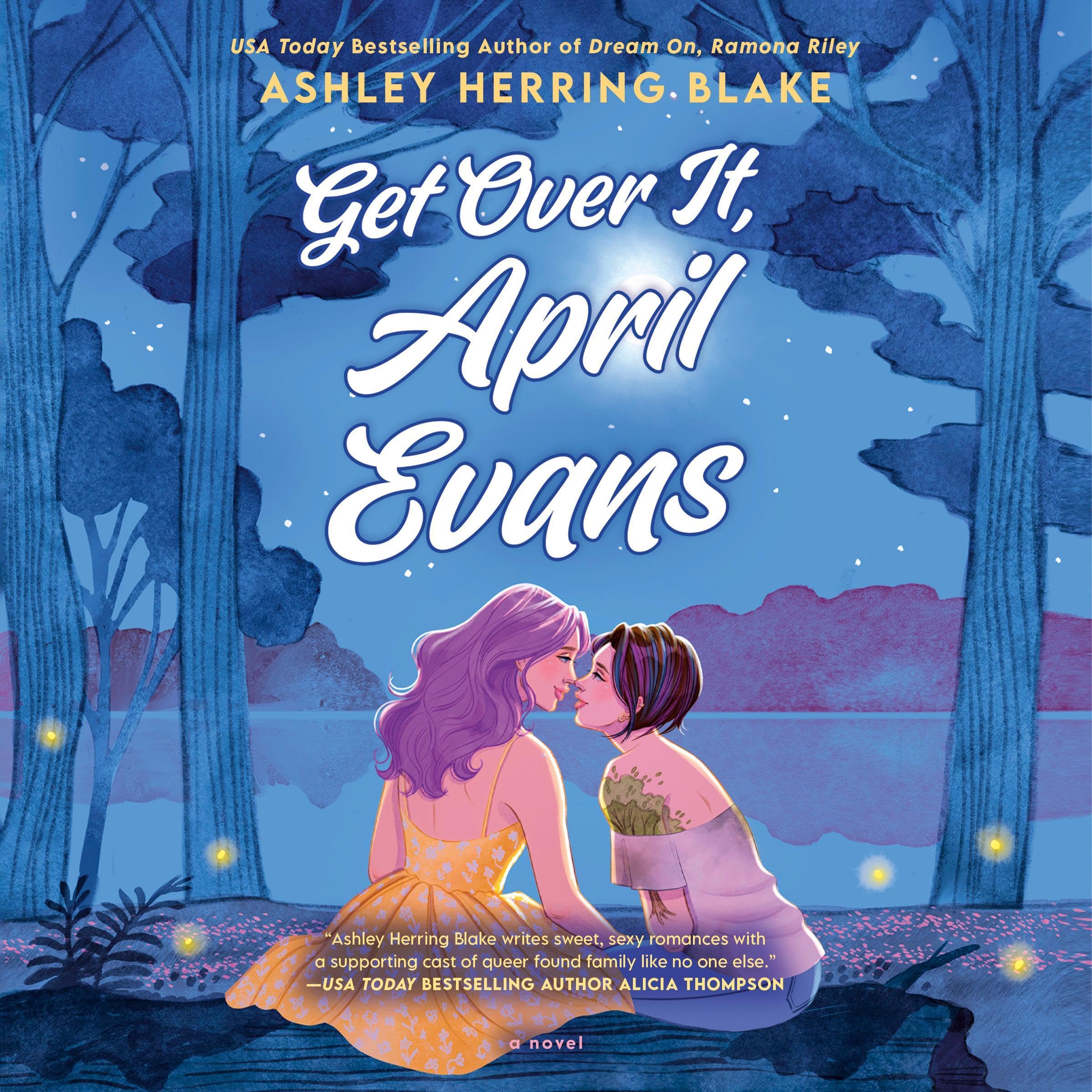
In an era saturated with romance novels that often prioritize swift gratification over genuine emotional excavation, Ashley Herring Blake consistently stands out as a fearless cartographer of the human heart. Her upcoming release, Get Over It, April Evans, isn't just another entry into the burgeoning queer romance canon; it's a seismic event, a masterclass in how to take beloved tropes and infuse them with a level of psychological depth and authenticity rarely seen. While many authors are content to skim the surface of character conflict, Blake dives headfirst into the messy, exhilarating work of healing, growth, and the inconvenient truth that sometimes, the person who infuriates you the most is the one who understands you best.

Why 'Get Over It, April Evans' Is More Than Just Another Romance Novel
Readers eagerly awaiting Get Over It, April Evans are hungry for more than just a happy ending. They crave stories that resonate, challenge, and ultimately uplift. Here's what makes Ashley Herring Blake's latest a standout literary event:
- A Subversive Take on the 'Enemies-to-Lovers' Trope: Moving beyond superficial bickering to explore deep-seated personal histories.
- Profound Emotional Alchemy: Delving into trauma, personal growth, and healing as central to the romantic journey.
- Authentic Queer Representation: Crafting multi-dimensional queer characters whose identities are integral, not tokenistic.
- Masterful Craftsmanship: Showcasing Blake's signature voice, sharp dialogue, and compelling narrative pacing.
The Subversive Art of the 'Enemies-to-Lovers' Trope
The 'enemies-to-lovers' trope is a cornerstone of romance, often lauded for its inherent tension and satisfying payoff. Yet, in less skilled hands, it can devolve into forced misunderstandings or a reliance on mere verbal sparring. Ashley Herring Blake, however, treats the 'enemies' part with the gravitas it deserves in Get Over It, April Evans. This isn't about two people who simply dislike each other; it's about two individuals whose pasts, personalities, and perhaps even professional aspirations clash in ways that feel genuinely earned. The 'enemy' status isn't a contrivance; it's a reflection of deeper insecurities, unresolved issues, or fundamental differences that require real emotional labor to overcome. Blake understands that true animosity often stems from a place of vulnerability, and she isn't afraid to peel back those layers. The friction between April Evans and her love interest (we're intentionally vague here to avoid spoilers, but trust us, it's good) promises to be a crucible, forging a bond far stronger than any born from instant attraction. This elevation of conflict into a character-defining force is what separates Blake's work from the pack and why this particular iteration of the trope is so highly anticipated.
Emotional Alchemy: Trauma, Growth, and the Pursuit of Healing
Blake's signature strength lies in her unflinching portrayal of emotional complexity, and Get Over It, April Evans is poised to be another testament to this. The title itself suggests a journey through baggage, past hurts, and the arduous process of moving forward. This isn't a story where a grand romantic gesture magically erases years of pain. Instead, the romance is intertwined with, and often catalyzes, the characters' individual journeys of healing. Blake doesn't shy away from the difficult, often uncomfortable, work of confronting trauma, processing grief, or dismantling internalized prejudices. For more on why readers are increasingly drawn to narratives that don't shy away from the hard stuff, check out our piece The Unflinching Gaze: Why We Crave Literary Discomfort. In Blake's world, love isn't a cure-all; it's a supportive framework within which characters find the courage to heal themselves. This commitment to portraying authentic emotional growth, where vulnerability is a strength and self-acceptance is the ultimate prize, makes her books profoundly resonant. It transforms a simple love story into a powerful narrative of self-actualization, a trend that is increasingly defining the best of contemporary romance.
Beyond the Binary: Nuance in Queer Romance
In the ever-expanding landscape of queer romance, Ashley Herring Blake is a vital voice, consistently delivering stories that are both affirming and deeply nuanced. Get Over It, April Evans is expected to continue this tradition, offering a portrayal of queer characters that transcends tokenism or simplistic narratives. Blake’s characters are queer, yes, but their identity is woven into the fabric of their being, influencing their experiences without solely defining them. They navigate careers, friendships, family dynamics, and personal demons, all while falling in love in ways that feel authentic to their unique perspectives. This isn't just about showing queer people in love; it's about depicting the rich, multifaceted lives of queer individuals with all their complexities, contradictions, and triumphs. It's about showing that queer love stories can be just as messy, joyous, and universally relatable as any other, while also honoring the specificities of queer experience. In a cultural moment where representation is paramount, Blake's work serves as a powerful example of how to do it right, contributing significantly to the ongoing conversation about diverse storytelling in romance.
Crafting Intimacy: Voice, Pacing, and the Irresistible Pull
Beyond the compelling themes, it's Blake's masterful command of craft that truly elevates her work. Her prose is incisive, her dialogue crackles with intelligence and wit, and she possesses an uncanny ability to render internal monologues with brutal honesty. In Get Over It, April Evans, we can anticipate her signature slow-burn pacing, allowing the emotional and romantic tension to build organically. This isn't a race to the first kiss; it's a meticulous excavation of personalities, a gradual dismantling of walls, and a careful cultivation of intimacy that feels earned. The 'voice' of April Evans, expected to be sharp, perhaps a little guarded, but ultimately deeply human, will be a key factor in drawing readers in. Blake excels at making you feel every frustrating glance, every charged silence, every tentative step towards connection. She understands that true intimacy is built in the small moments, in shared vulnerabilities and unspoken understandings, and she crafts these moments with precision and grace. If you're seeking romance that challenges the conventional, you might appreciate our take on Ditch the Dolly: Why 'The Lust Crusade' is Your Real 2026 Romance. Blake’s writing doesn't just tell you a love story; it immerses you in the psychological landscape of falling in love, making it an experience that lingers long after the final page.
Editor's Verdict
Ashley Herring Blake's Get Over It, April Evans isn't just a book to read; it's a book to experience. It's a bold, emotionally intelligent, and expertly crafted addition to the romance genre that demands attention for its fearless exploration of personal growth alongside romantic entanglement. This one is going to stick with you.
FAQ
What is 'Get Over It, April Evans' about?
'Get Over It, April Evans' is an upcoming contemporary romance novel by Ashley Herring Blake, featuring an enemies-to-lovers trope within a queer relationship, focusing on emotional depth, personal growth, and overcoming past challenges.
What makes Ashley Herring Blake's romance novels stand out?
Ashley Herring Blake is renowned for her ability to craft complex, emotionally rich characters navigating trauma and growth. Her novels offer authentic queer representation, sharp dialogue, and a masterful slow-burn approach to romantic development, making her stories deeply resonant and impactful.
Is 'Get Over It, April Evans' part of a series?
As of April 2026, 'Get Over It, April Evans' is anticipated as a standalone novel. While authors sometimes revisit characters or settings, it's designed to offer a complete story within its pages.