Lit-Pop's 2026 Literary Fiction Scorecard: Hype vs. Heart
We brutally dissect the year's most anticipated literary novels, separating genuine genius from mere buzz with our unforgiving rating system.
Another year, another deluge of 'must-read' lists clogging our feeds. Every publishing house is screaming about their next literary sensation, but let's be real: most of it is just elegant noise. Here at Lit-Pop, we don't do lukewarm takes or participate in the collective delusion of uncritical hype. We're here to cut through the fluff and tell you exactly which anticipated literary fiction titles of 2026 actually have the gravitas to earn a spot on your shelf, and which are destined for the literary bargain bin.
We've taken three of the most talked-about upcoming literary fiction releases and put them through our rigorous, some might say merciless, scorecard system. Prepare for honesty, specificity, and maybe a few sacred cows being tipped over. Because if you're going to invest your precious reading time, you deserve the unvarnished truth.
What Makes a Literary Page-Turner in 2026?
For discerning readers eager to identify the true literary gems amidst the promotional cacophony, this scorecard will guide your choices, helping you navigate the exciting (and often overhyped) world of new releases. Specifically, we're diving deep into:
- A critical assessment of Emily St. John Mandel's latest offering.
- Jennette McCurdy's ambitious pivot from memoir to literary fiction.
- The long-awaited return of Life of Pi author, Yann Martel.
- Our unforgiving, criterion-based scoring methodology that strips away marketing gloss.
The Lit-Pop Literary Litmus Test: Our Scoring System
To ensure our judgment is both fair and incisive, we’ve devised a three-pronged scoring system, with each criterion weighted equally out of 10. The maximum score any book can achieve is 30. We are not here to make friends with publicists; we are here to champion exceptional writing and call out anything less.
- Anticipation & Buzz (0-10): This isn't just about how loud the hype is; it's about whether that pre-publication excitement feels genuinely earned, considering the author's track record and the book's initial premise. Is it compelling, or just a well-orchestrated marketing push?
- Narrative & Theme (0-10): We're looking for originality in storytelling, depth of character, complexity of ideas, and whether the narrative truly resonates or simply goes through the motions. Does it have something vital to say, and does it say it well?
- Literary Innovation (0-10): This score assesses the book's stylistic daring, structural ingenuity, and its potential to push the boundaries of contemporary literary fiction. Is it a fresh voice, a bold experiment, or a polished rehash of what's come before?
The Contenders: A Brutal Breakdown
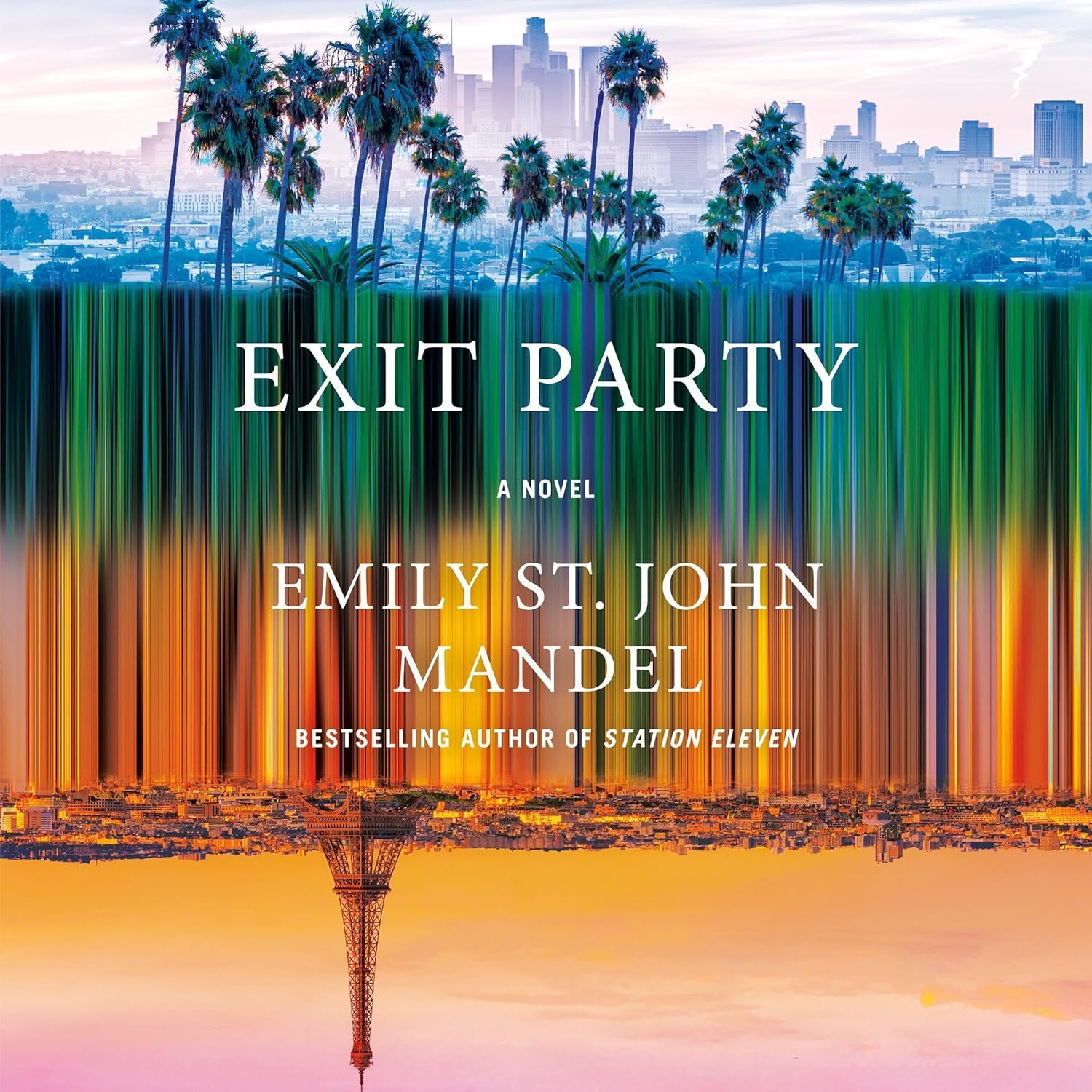
1. Exit Party by Emily St. John Mandel

Emily St. John Mandel has, arguably, become the literary darling of our fractured times. After the runaway success of Station Eleven and the more recent, critically acclaimed Sea of Tranquility, expectations for Exit Party are stratospheric. Her ability to craft poignant, interconnected narratives against backdrops of quiet apocalypse or strange realities is undeniable. This new work promises another character-driven meditation, likely on separation, connection, and the quiet epiphanies of human existence. The buzz is deafening, and largely deserved, yet one wonders if her signature melancholic grace might start to feel like a well-worn path. We're hoping for evolution, not just polished repetition of her established brilliance.
- Anticipation & Buzz: 9/10
- Narrative & Theme: 8/10
- Literary Innovation: 7/10
- Total: 24/30
2. Son of Nobody by Yann Martel

Ah, Yann Martel. The name immediately conjures Life of Pi, a novel so singular it often overshadows everything else he's done. Son of Nobody arrives with the weight of that legacy, carrying the silent question: can he recapture the magic, the philosophical depth, and the sheer narrative audacity that captivated millions? Martel excels at crafting allegorical tales that prompt deep introspection, often blending the fantastical with the profoundly human. We expect a story rich in symbolism, perhaps a modern myth or an exploration of identity and belonging. The cautious anticipation stems from whether this will soar with the intellectual agility of Pi or stumble under its own cerebral ambition. Martel is a master of prose, but true innovation means not just writing beautifully, but writing differently each time.
- Anticipation & Buzz: 6/10
- Narrative & Theme: 7/10
- Literary Innovation: 7/10
- Total: 20/30
3. Half His Age by Jennette McCurdy

Jennette McCurdy's memoir, I'm Glad My Mom Died, was a raw, unflinching gut-punch that resonated widely. Now, she's stepping into the hallowed (and often unforgiving) arena of literary fiction with Half His Age. This is a monumental pivot, and while her voice is undeniably strong and authentic, fiction demands a different kind of craft. The title alone hints at themes of power dynamics, age gaps, and potentially exploitation — territory that, while ripe for exploration, risks feeling overtly didactic or even sensationalized if not handled with immense nuance. The buzz here is largely a carry-over from her memoir, driven by celebrity and public curiosity rather than established literary chops. It will take a truly exceptional novel to transcend the 'celebrity author' label and prove its standalone literary merit. For more on navigating books that rise above fleeting trends, read our take on Beyond the Algorithm: Why Deep Reads Get Lost in the BookTok Shuffle.
- Anticipation & Buzz: 7/10
- Narrative & Theme: 6/10
- Literary Innovation: 5/10
- Total: 18/30
The Final Verdict: Lit-Pop's 2026 Literary Hierarchy
| Rank | Title | Author | Anticipation & Buzz | Narrative & Theme | Literary Innovation | Total Score |
|---|---|---|---|---|---|---|
| 1 | Exit Party | Emily St. John Mandel | 9 | 8 | 7 | 24/30 |
| 2 | Son of Nobody | Yann Martel | 6 | 7 | 7 | 20/30 |
| 3 | Half His Age | Jennette McCurdy | 7 | 6 | 5 | 18/30 |
So there you have it. While Emily St. John Mandel still reigns supreme in terms of consistent literary promise, the gaps are closing. Yann Martel offers intriguing philosophical potential that could surprise, and Jennette McCurdy has the hardest path to prove her literary fiction bona fides. Choose your 2026 literary adventures wisely – and remember, true greatness rarely needs a megaphone.
Like this post if you're ready for more brutal honesty in your book recommendations!
FAQ
What is Lit-Pop's main criterion for ranking anticipated literary fiction?
Lit-Pop prioritizes a balance of genuine anticipation, depth of narrative and theme, and true literary innovation over mere celebrity buzz or promotional hype.
Why is Emily St. John Mandel's 'Exit Party' rated highest?
'Exit Party' benefits from Mandel's consistent track record of crafting emotionally resonant, stylistically refined narratives that explore complex human conditions, earning high marks for both narrative quality and sustained literary buzz.
Does Jennette McCurdy's previous work influence the rating of 'Half His Age'?
While her memoir garnered significant attention, 'Half His Age' is evaluated as a work of literary fiction. The 'Anticipation & Buzz' score reflects carry-over interest, but 'Narrative & Theme' and 'Literary Innovation' are judged on its standalone potential as a novel, independent of her established non-fiction success.